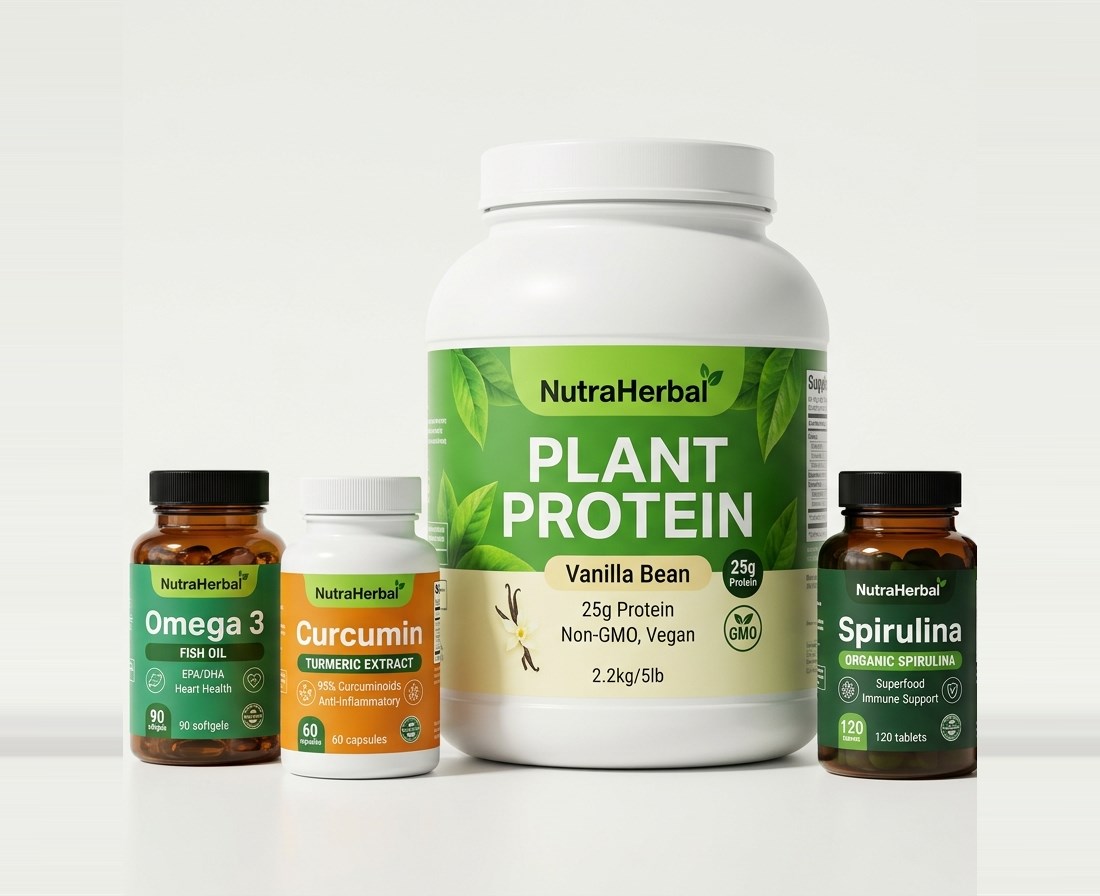
Sports nutrition customers read labels more carefully than any other group in this catalogue, compare brands obsessively and share results publicly. The category is also where label fraud is most widespread in India, amino spiking and inflated protein claims are endemic. That combination is an opportunity: honest, tested numbers stand out precisely because so few competitors offer them.
Honest labelling is the entire proposition
We will not add free amino acids to inflate a nitrogen-based protein reading. It is fraud, it is common, and it is the reason this category has a trust problem. A tested protein-per-serve that matches the label, with the report available, is genuinely unusual and worth leading with.
The same applies to concentrate versus isolate. We will make either; we will not label one as the other. Brands that take shortcuts here get found out by a customer with a lab test and a social media account.
Plant protein is the easier entry
Whey is brutally competitive, heavily discounted and dominated by established names. Plant protein is growing faster, has a clearly defined audience in the world's largest vegetarian market, and has a fraction of the competitive noise. For a new brand entering this channel it is the sensible first SKU.
A pea-and-rice blend in the right ratio also gives you a genuine technical story, neither source is a complete protein alone, and explaining why you combined them positions you as competent rather than merely cheap.
Products beyond protein
L-carnitine, ashwagandha for recovery, joint products for lifters, and B-complex and zinc all sell into this channel. Ashwagandha in particular bridges the gap between sports nutrition and wellness, and KSM-66 is a grade this audience recognises by name.
Gym retail is also a genuine physical distribution channel with much lower barriers than pharmacy or general trade, which makes it a practical place for a new brand to get product in front of people.