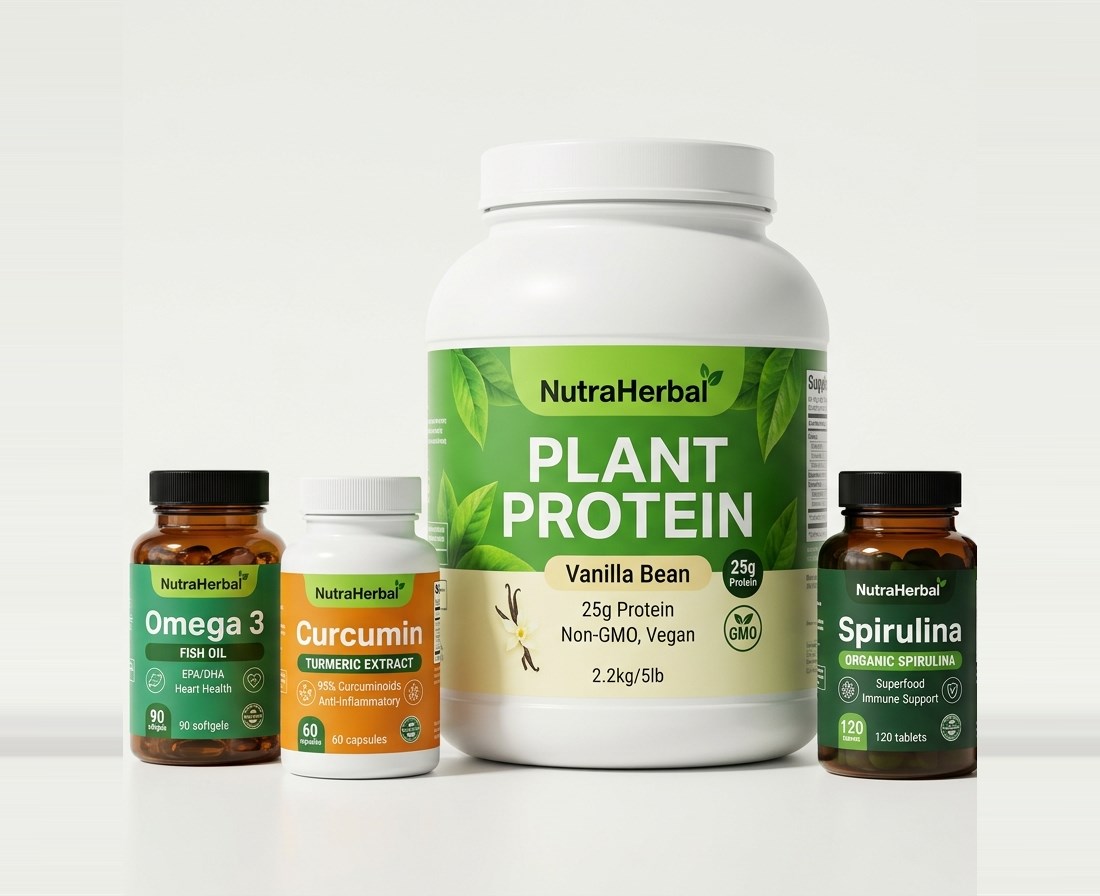
If you are an exporter, your constraint is almost never manufacturing capacity. It is regulatory registration, testing documentation and consistency of supply. We manufacture to export specification and we will tell you plainly which products justify the registration cost in a given market and which do not.
Products that justify the effort
Moringa, ashwagandha, turmeric and curcumin, triphala and tulsi all have established overseas demand, and India has no sourcing disadvantage in any of them. Powders and capsules beat liquids decisively on freight weight and shelf life, and single-ingredient products are far cheaper and faster to register than multi-herb proprietary blends.
If you are opening an export line, start with a standardised single-ingredient powder. The market exists, the registration is comparatively simple, and the shipping economics work.
Restricted and problematic ingredients
Bhasma-containing classical preparations face restrictions in many jurisdictions, and iron-bearing classical formulations are frequently held. Several herbs permitted in India are restricted or novel-food-classified elsewhere. Tell us the destination before the composition is fixed, an export variant designed from the start costs nothing extra, while reformulating after a held consignment is expensive and slow.
Testing, certification and stability
Expect a wider panel than domestic: pesticide residue, heavy metals, microbiology and often aflatoxin, and expect your buyer to want those from an accredited laboratory rather than from a manufacturer's own. Confirm which accreditation they accept before production starts, since it sets where testing is routed and how long it takes. For most European buyers organic certification is a precondition rather than a premium, available through certified growers at a premium and a longer lead time.
Some registrations require real-time stability data rather than accelerated. That is months, and it cannot be compressed by any amount of commercial pressure. Build it into the plan at the start.