Most guides to this subject are written to make starting a supplement brand sound easy, because the people writing them want to sell you manufacturing. We sell manufacturing too, and we would still rather you went in with accurate expectations, a client who fails in eighteen months is not useful to us either. Here is the sequence that works, including the parts that are inconvenient.
Step one: decide what you are actually good at
This industry has no shortage of products. It has a severe shortage of distribution and audience. Before choosing a category, be honest about which of these you have: an existing audience, a distribution network, a channel relationship, paid-media skill, or regional language content ability. If the answer is none of them, your first problem is not manufacturing.
The brands that succeed here almost always start from a distribution advantage rather than a product idea. A doctor with a practice, a distributor with a territory, a creator with a following, or someone who can write genuinely well in Hindi all have a real starting position. Someone who merely likes the idea of a supplement brand does not.
Step two: choose a category you can actually win
Weight management, men's wellness and general immunity are the biggest categories and also the ones where you will be bidding against the largest budgets. Unless you have scale or a genuine audience, starting there is expensive.
The better entry points are categories with real search demand and weak competition: piles, uric acid, thyroid wellness, PCOS, kidney stones, cervical and posture pain, varicose veins. These have substantial Hindi query volume, motivated customers, and almost no one writing decent content for them. A smaller category you can own beats a large one you cannot enter.
Step three: licences and registrations
You need a company or firm registration, GST registration, a trademark application on the brand name, and an FSSAI licence as a marketer or brand owner. If you are filing products as Ayurvedic proprietary medicines rather than food supplements, that is a different route with different requirements.
Start the trademark search before you print anything. Brands routinely commission artwork, print cartons and then discover the name is taken. The search costs very little and the reprint costs a great deal.
Step four: products and the first order
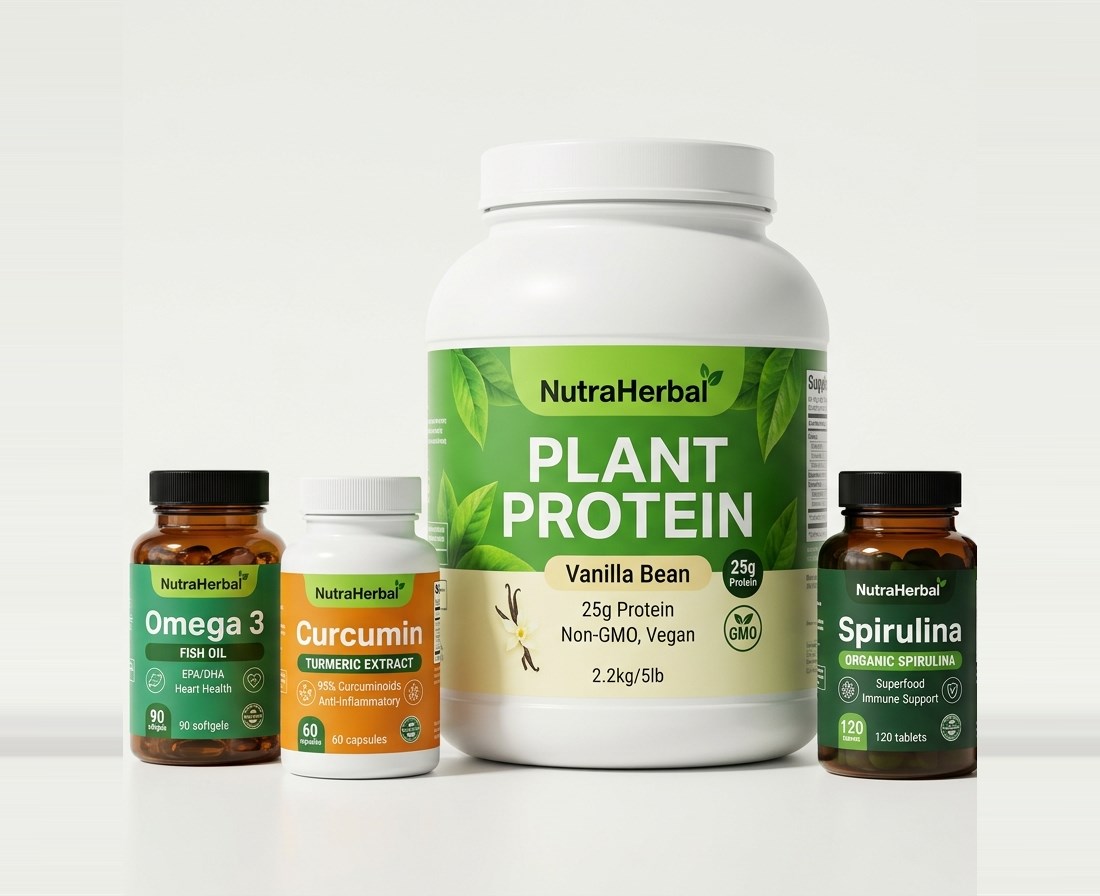
Launch three or four related SKUs that form a routine rather than one hero product. Customers in this industry buy routines, a tablet plus an oil, a juice plus a powder, and brands that launch a single product consistently report lower average order values.
Use private label for the first launch. It removes development time and cost, and it lets you test the market before committing to a custom composition. Order a volume you can genuinely sell within the shelf life, not a volume that gets you a better per-unit price.
Step five: content before advertising
Paid advertising in this industry is expensive and getting more so, and claims-based creative gets accounts banned. Content is the cheaper and more durable route, particularly in Hindi and Hinglish where most of the informational demand sits and almost nobody is competing properly.
Publish before you launch. A category guide, an ingredient explainer and a diet article in the right language will be earning traffic by the time your stock arrives. That sequencing costs nothing and most brands get it backwards.
What it actually costs
A realistic minimum first-order for three or four SKUs at our minimum quantities, plus artwork, printing plates, trademark, licences and a basic website, lands in the low single-digit lakhs. Add working capital, because you will pay for stock months before you sell it.
Be suspicious of anyone who tells you it can be done for far less. It can be done for less, badly, with a single SKU and no content, and that is the version that fails.
The five mistakes that account for most failures
One: launching a single product instead of a routine. Two: entering the biggest category rather than one you can win. Three: building the brand before building an audience. Four: making claims that get listings pulled and ad accounts banned. Five: ordering more stock than can be sold within shelf life because the per-unit price looked better.
Every one of these is avoidable and every one of them is common. If you avoid all five you are ahead of most new entrants in this industry, regardless of how good your product is.