
GMP · FSSAI · ISO-certified manufacturing
Ingredient reference

Haritaki

Terminalia chebula

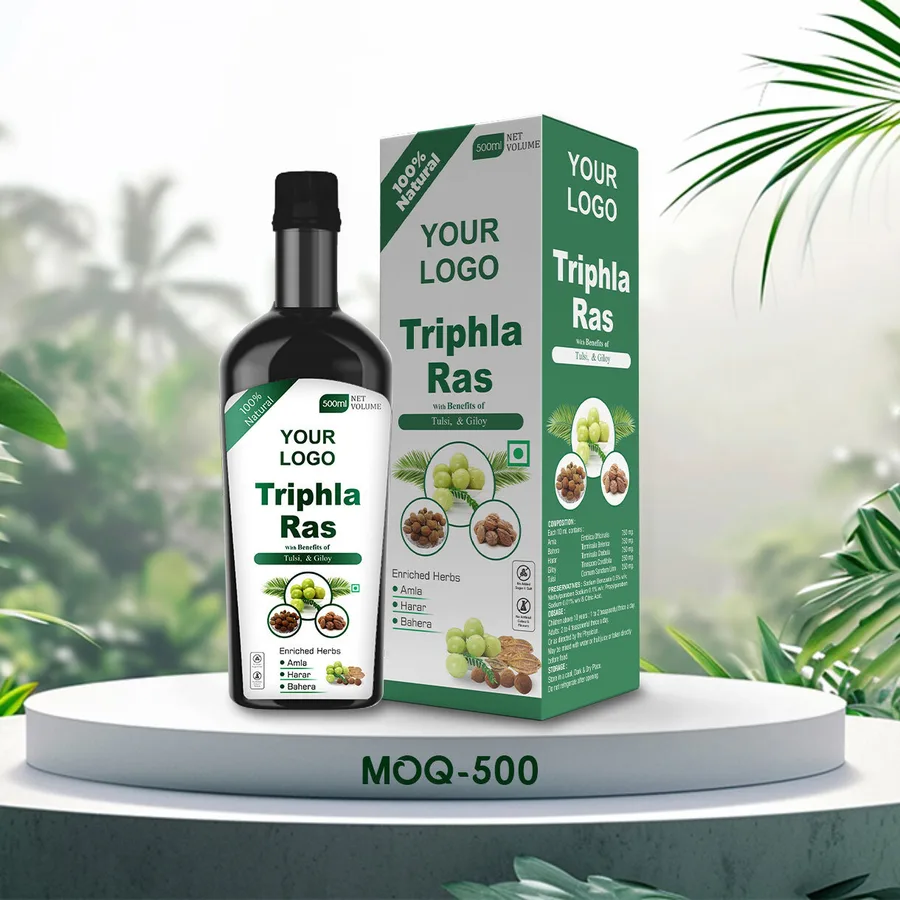
One of the three fruits in triphala, and the one most associated with regularity.

Also known as: Harad, Chebulic myrobalan, हरीतकी

Traditional use

Described in the classical texts as a leading herb for the digestive tract and included in a great many formulations. Traditionally regarded as the most important of the three triphala fruits.

Why brands use it

Rarely sold as a standalone retail product, most of its commercial life is inside triphala and in piles and digestive formulations. Carry it as a single-herb SKU only for completeness or for a practitioner channel.

Quality and specification

Fruit material, de-seeded. Standardisation is usually by tannin content where specified.

Safety and cautions

Acts on the bowel; start low. Avoid in pregnancy and in cases of severe dehydration or weakness without practitioner advice.

Questions we actually get

Before you ask us

Is a standalone haritaki product worth it?

Only for a practitioner channel or range completeness. Consumer demand is almost entirely for triphala rather than for the individual fruits.

Your idea, made tangible

Formulating with Haritaki?

Tell us the format and the volume. We will come back with a specification, a per-unit cost and a realistic first-batch date.

NutraHerbal manufactures food supplements, Ayurvedic proprietary medicines and cosmetics for business customers. Product information on this site describes composition, format and commercial positioning for brand owners. It is not medical advice, does not claim to diagnose, treat, cure or prevent any disease, and is not a substitute for consulting a qualified practitioner. Final label claims are the brand owner's responsibility and must be approved for the destination market.

WA