Reviewed for accuracy and claims compliance: Claims and compliance review
There is a part-of-plant problem running through the entire jamun category, and it is unusually consequential because the two parts point in opposite directions.
The traditional medicinal part of Syzygium cumini is the seed, the stone inside the fruit.
The fruit pulp is a sweet fruit. It contains sugar.
So a product made from jamun seed and a product made from jamun pulp are not stronger and weaker versions of the same thing. One is the traditional material and the other is fruit juice.
And most Indian labels say “jamun” and stop there.
We make a karela-jamun juice. This article is about the specification question we think the category should be judged on, and it applies to our own product.
General information, not medical advice. And if you take a sulfonylurea or insulin, the hypoglycaemia question comes first, we have written about that separately and it matters more than this.
The plant and its parts
Syzygium cumini, jamun, Java plum, black plum, jambul. Family Myrtaceae, the same family as clove and eucalyptus.
And the parts used traditionally, each differently:
Seed (beej), the part used for blood sugar. Classical and folk use is the dried seed, powdered.
Bark, used for its astringency, in diarrhoea and oral conditions.
Leaves, minor traditional uses.
Fruit pulp, eaten as a fruit. Astringent-sweet, staining, seasonal, and genuinely pleasant.
So the fruit was food and the seed was medicine. That division is clear in traditional practice and it has been blurred by the juice industry.
What is in each
The seed
The compounds discussed in the research literature are concentrated here:
Jamboline (also written jambolin), a glycoside, and the compound most often named in connection with the traditional antidiabetic use.
Ellagic acid and ellagitannins.
Gallic acid.
And a high tannin content, which is what makes the seed powder astringent.
And the seed is also where the animal research was done. Studies reporting glucose-lowering effects in diabetic animal models used seed extracts or seed powder.
The fruit pulp
Water, sugars (glucose and fructose), organic acids, anthocyanins (the colour), some vitamin C, and tannins, which give the astringency and the tongue-staining.
It is a reasonably healthy fruit. It has a moderate glycaemic index and is often recommended for people with diabetes as a fruit choice, which is a legitimate thing to say about it.
And it is not a medicine, and it contains sugar.
So “jamun is good for diabetes” is doing two different jobs in one sentence: the fruit is a reasonable fruit to choose, and the seed is the traditional remedy. Those are not the same claim.
Why this matters for what you are buying
Three practical consequences.
1. A pulp-based juice may be adding sugar to a diabetic’s diet
If a “jamun juice” is made from fruit pulp, it contains fruit sugars.
And fruit juice generally is a worse choice than whole fruit for blood glucose, the fibre is gone, the sugars are in solution, and the volume is easy to drink. This is well established and it applies to any fruit juice.
So a pulp-based jamun juice, sold for blood sugar, is working against itself.
And if the product has added sugar on top, which some do, for palatability, then it is a sugary drink with a diabetes-shaped label.
That is the worst outcome in this category and it is not rare.
2. A seed-based product has the traditional and research basis
If the label says “jamun seed” or “jamun beej churna”, you are looking at the material the tradition used and the animal research studied.
That does not make it effective, the human evidence is limited, and we come to that.
But it is at least the right material.
3. And the arithmetic of a juice
A seed is a small, hard, dry object. Getting a meaningful quantity of seed material into a 30 ml juice dose is a formulation question, and the answer should be on the label as a quantity.
“Jamun extract” with no part and no quantity tells you nothing.
The honest evidence position
And this needs to be stated clearly, because the part question is a specification issue and not a claim of efficacy.
Animal studies: seed extracts have shown glucose-lowering effects in diabetic animal models, fairly consistently. This is the bulk of the literature.
Human studies: limited. There are small trials, some showing modest effects on glycaemic parameters, with the usual problems, small numbers, short duration, variable preparations.
Systematic assessments: insufficient evidence to recommend it as a treatment.
And an important negative: a notable randomised trial of jamun seed powder in people with type 2 diabetes did not find a significant effect on glycaemic control. Negative findings in this field get much less attention than positive ones, and they count the same.
So: getting the right part is necessary and not sufficient. Seed-based is the correct material; it is not a demonstrated treatment.
And the governing regulatory fact: there is no authorised health claim for jamun. Advertising for diabetes is separately restricted in India under the Drugs and Magic Remedies (Objectionable Advertisements) Act.
And the same question applies to karela
Since the two are sold as a pair, the part question is worth checking on both sides.
Karela (Momordica charantia) uses the fruit, and here the fruit is the traditional part, so there is no ambiguity about which material to use.
But there is a part-related safety issue, and it is the one almost nobody prints:
The seeds of bitter melon, particularly the red arils around ripe seeds, contain vicine, and bitter melon seed material has been associated with favism-like haemolysis in people with G6PD deficiency.
And G6PD deficiency is not rare in parts of India.
There are also reports of hypoglycaemic coma in young children after consuming bitter melon seed material.
So for karela, the part question is a safety question rather than an efficacy one: whole-fruit preparations including seeds are a different risk profile from pulp-only preparations, and labels do not distinguish them.
We have written about the safety side separately, and it is the more important article of the two.
What a label should state
Our view, and it is a short list:
The botanical name, Syzygium cumini, and the part used. Seed, pulp, bark or leaf. Explicitly.
The quantity of each, per serving.
Whether it is powder, juice or extract, and the extract ratio if applicable.
Total sugars, declared. For any product sold in a blood-sugar context this is not optional, and FSSAI nutrition labelling requires sugar declaration on food products anyway.
Added sugar, separately, because “contains no added sugar” and “low in sugar” are different statements, and a fruit juice can be the second without being the first.
And for karela: whether seeds are included.
And batch-wise heavy metals, pesticides and microbiology, standard, and particularly relevant for juices.
What you will usually find instead: “Karela Jamun Juice, with the goodness of karela and jamun.”
What we do, and where we are compromised
Our karela-jamun juice states the part used and the quantity for each ingredient, and declares total sugars.
And the honest disclosure about the format:
A juice is a poor vehicle for jamun seed. The seed is dry and hard; its material does not suspend in a liquid the way a fruit pulp does; and a juice format pushes a formulator toward pulp.
The better format for jamun seed is powder, jamun beej churna, which is the traditional form, is cheap, and lets you take a real quantity.
We sell the juice because that is what the category buys. We think the powder is the more defensible product, and we say so on the page.
And the most useful thing a customer can do with this article: look at your current bottle and see whether it says “seed”.
What we will and will not say
Sayable: the botanical name and the part used; the quantity; total and added sugars; a traditional-use statement framed as traditional use; and authorised nutrient-function claims for any vitamins or minerals present in significant amounts.
And the governing fact: there is no authorised health claim for jamun or karela.
Not sayable: treats diabetes, lowers blood sugar, controls sugar, reduces the need for medication, “sugar ki jad se chhutti”, natural insulin.
And three refusals:
“Natural insulin”, for karela, this borrows a research-level term (polypeptide-p) and implies a substitute for insulin, which is a lethal implication.
“Reduces your need for medicine”, because people act on it.
And selling a pulp-based product in a blood-sugar context without declaring its sugar content. That one we consider straightforwardly dishonest, and it is common.
And the most honest summary:
In jamun, the seed is the traditional medicine and the pulp is a sweet fruit, and a juice made from pulp is adding sugar to the diet of the person buying it for sugar.
The seed is where the animal research was done; the human evidence is limited and includes a negative trial.
So “jamun seed” on the label is necessary and not sufficient.
And in karela, the part question is a safety question, seeds contain vicine, which matters in G6PD deficiency, and labels do not distinguish seeded from pulp-only preparations.
When to see a doctor
Ask before taking karela or jamun products if you:
- take a sulfonylurea (glimepiride, gliclazide) or insulin, hypoglycaemia risk; this is the most important one
- take metformin or any other diabetes medication, monitoring
- are pregnant, avoid karela; animal studies report antifertility and abortifacient effects
- are breastfeeding
- want to give it to a child, no, without a paediatrician; hypoglycaemic coma in children has been reported with bitter melon
- have G6PD deficiency, bitter melon seed material is a genuine question here
- have liver disease
- have surgery planned, because of the glucose-lowering effect
Know the signs of low blood sugar: sweating, trembling, anxiety, hunger, palpitations, confusion. Treat promptly with sugar or glucose.
And do not reduce your prescribed medication because you have started a juice. That is your doctor’s decision.
Have these done regularly: HbA1c; urine protein (ACR); blood pressure; lipids; a dilated retinal eye examination; and a foot examination. None of the complications of diabetes announces itself early, which is why the monitoring exists.
Emergency: marked thirst and frequent urination with severe weakness, abdominal pain or vomiting; fruity-smelling breath; confusion or drowsiness; or any foot wound that is not healing.
The short version
- The traditional medicinal part of jamun is the seed, not the fruit
- The fruit pulp is a sweet fruit and contains sugar
- So seed-based and pulp-based products are not strong and weak versions of one thing
- Syzygium cumini, family Myrtaceae, the clove and eucalyptus family**
- Seed for blood sugar; bark for astringency; pulp as food
- The seed contains jamboline, ellagic acid, gallic acid and high tannins
- And the animal research used seed extracts or seed powder
- The pulp has sugars, anthocyanins, some vitamin C and tannins
- It is a reasonable fruit choice for someone with diabetes, as a fruit
- “Jamun is good for diabetes” conflates a fruit choice with a traditional remedy
- A pulp-based juice sold for blood sugar is working against itself
- Fruit juice is worse than whole fruit for glucose, fibre gone, sugars in solution
- And some such products add sugar on top, for palatability
- A sugary drink with a diabetes-shaped label is the worst outcome here, and not rare
- “Jamun seed” on a label means at least the right material
- Getting seed material into a 30 ml dose is a formulation question
- So the quantity should be stated, and usually is not
- Animal evidence for seed extracts is fairly consistent
- Human evidence is limited, with small, short, variable trials
- And a notable randomised trial of jamun seed powder found no significant effect
- Negative trials get less attention and count the same
- So the right part is necessary and not sufficient
- Karela uses the fruit, so there is no ambiguity about the material
- But karela seeds contain vicine
- And bitter melon seed material is associated with favism-like haemolysis in G6PD deficiency
- G6PD deficiency is not rare in parts of India
- Hypoglycaemic coma in young children has been reported with bitter melon
- So for karela the part question is a safety question, and labels do not distinguish
- A label should state botanical name, part, quantity, and total and added sugars
- A juice is a poor vehicle for a dry, hard seed
- The better format for jamun seed is powder, the traditional form
- We sell the juice because that is what the category buys, and say the powder is more defensible
- “Natural insulin” implies a substitute for insulin, which is a lethal implication
- There is no authorised health claim for jamun or karela, and diabetes advertising is separately restricted
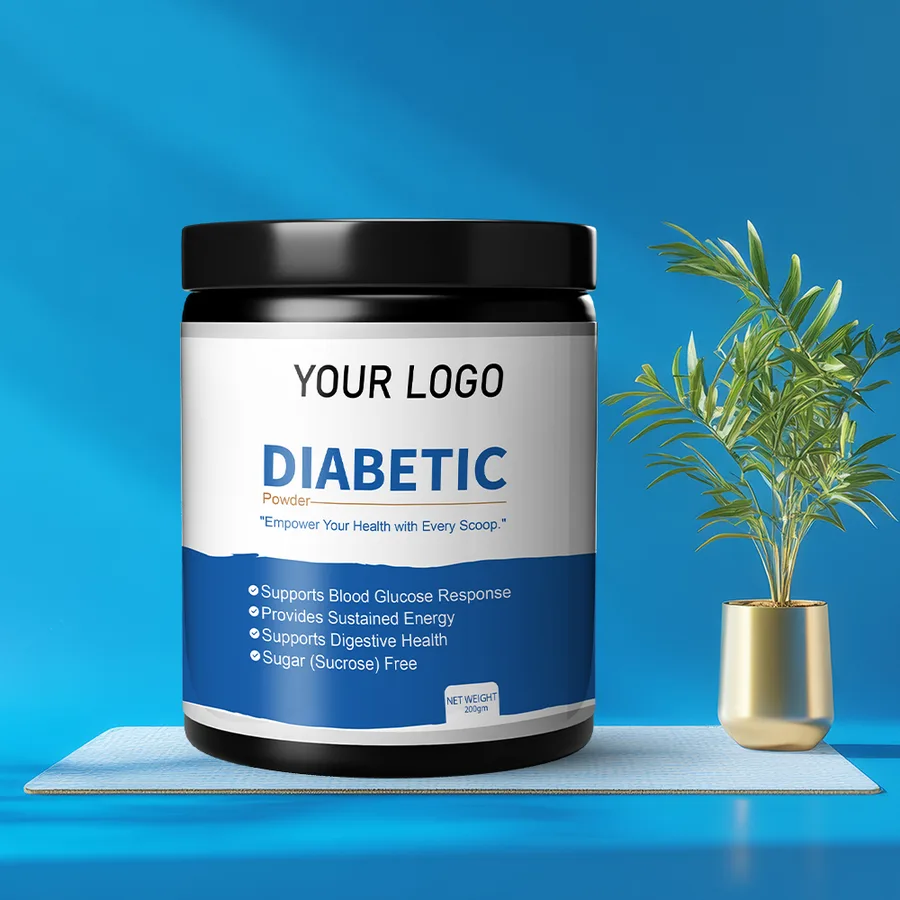
Ingredient details: jamun, karela, gudmar. Our formulations: Karela Jamun Juice, Diabetic Care Powder. Related reading: करेला-जामुन जूस, दोनों साथ क्यों, करेला-जामुन दवा के साथ, karela jamun juice vs churna vs tablet, and which herbs are traditionally used and the claim limits.
Get our product list and minimum orders
Leave your email and we will send the formats we make, the minimum order for each and typical lead times. We use it only to reply to you.
Manufacturing in this category?
We make products in this category for other people's brands. Tell us the format and volume and we will send a specification and a per-unit cost.
Request a quotation ↗NutraHerbal manufactures food supplements, Ayurvedic proprietary medicines and cosmetics for business customers. Product information on this site describes composition, format and commercial positioning for brand owners. It is not medical advice, does not claim to diagnose, treat, cure or prevent any disease, and is not a substitute for consulting a qualified practitioner. Final label claims are the brand owner's responsibility and must be approved for the destination market.
How we write and review content: editorial policy.