Reviewed for accuracy and claims compliance: Claims compliance review
Search “PCOS diet” and most of what comes back is a weight-loss plan with a medical label stuck on it, usually delivered in a tone that makes you feel the condition is somehow your fault.
It is not, and that framing is not just unpleasant, it makes outcomes worse. People who feel judged about food tend to swing between severe restriction and giving up entirely, and neither does anything useful for insulin sensitivity.
So: what actually helps, what you can keep eating, and what to ignore.
The one mechanism worth understanding
PCOS is closely linked to insulin resistance, cells responding less readily to insulin, so the body produces more of it, and that higher insulin pushes the ovaries toward more androgen production. That chain explains a lot of what you experience: irregular cycles, facial hair, acne along the jawline, hair thinning, and the difficulty losing weight.
This matters for diet because it tells you what you are actually aiming at. The goal is steadier insulin response, not fewer calories for their own sake. Those overlap but they are not the same, and the difference changes what advice makes sense.
It also explains why weight loss helps when it happens, and why it is harder than it is for other people. That is physiology, not willpower.
Also worth saying clearly: thin women get PCOS too. If you are being told to lose weight you do not have, the advice below still applies, the insulin side matters regardless of your size.
What actually helps
1. Protein at every meal
This is the highest-return change and the one most Indian vegetarian diets miss.
Protein slows the glucose response of the whole meal, keeps you full longer, and helps preserve muscle. Dal, rajma, chana, paneer, dahi, egg, soya, chicken, fish, nuts and seeds.
Not a token amount, a proper portion, at every meal including breakfast. A breakfast of only poha or only toast sets up the rest of the day badly.
2. Eat in a different order
Vegetables and salad first, then dal or protein, then roti or rice.
This measurably reduces the post-meal glucose spike. It is free, requires no new food, and almost nobody does it. If you change one thing this week, change this.
3. Cut liquid sugar
Cold drinks, packaged juice, sweetened tea and coffee, energy drinks. Liquid calories do not fill you, so they are added on top of everything else, and they spike glucose fast.
This is the single easiest high-impact removal on the list.
4. Fibre with everything
Vegetables, salad, whole dals with skin, whole grains, chia, flaxseed, isabgol. Fibre slows glucose absorption and helps satiety.
5. Move, the kind matters less than you think
Walking after meals, ten to fifteen minutes, is one of the most effective habits available. Resistance training two or three times a week genuinely helps insulin sensitivity.
And no, lifting weights will not make you bulky. That myth costs women the most effective exercise available for this condition.
6. Sleep
Short sleep worsens insulin resistance. If you are doing everything else on five hours of sleep, you are working against yourself.
What you can keep eating
This is the part most PCOS content gets wrong, and it matters because unnecessary restriction is what makes people quit.
Rice. Portion it, pair it with dal, sabzi and dahi, and it is fine. If you are South Indian or Bengali, being told to eliminate rice is being told to stop eating your own food. That advice does not survive contact with real life.
Roti. Whole wheat, portioned. Fine.
Fruit. Whole fruit, not juice. Banana and mango in reasonable portions are fine. The idea that fruit is the problem in a diet that also contains biscuits is not serious.
Potato. With protein and vegetables, in a portion. Not alongside rice and paratha at the same meal.
Dairy. Unless you specifically do not tolerate it. Paneer and dahi are useful protein.
Ghee and oil. Portioned. Fat is not what drives insulin response, and very low-fat eating usually makes meals less satisfying, which backfires.
What to reduce
| Reduce | Why |
|---|---|
| Cold drinks, packaged juice | Fast glucose spike, no satiety |
| Maida, bread, biscuits, namkeen, bakery | Refined, fast-absorbing, no fibre |
| Sweets as a daily habit | Occasional is fine; daily is the problem |
| Deep-fried and outside food regularly | Portion and quality both hard to control |
| Very long gaps without eating | Often leads to overeating later |
| Crash diets | Backfire reliably, more on this below |
The crash diet trap
This deserves its own section because it is where many people with PCOS end up.
A very restrictive diet produces fast initial weight loss, is impossible to sustain, and ends in a rebound. Over several cycles of this, most people end up heavier, more frustrated, and with a worse relationship with food.
For a condition that is already about hormones and already carries a higher risk of disordered eating, this pattern is genuinely harmful. Slow and dull beats fast and unsustainable, not as a moral position, but because it is the one that works.
A realistic day
No exotic ingredients, no separate cooking.
| Time | What |
|---|---|
| Morning | Soaked methi seeds or a glass of water; chai with less sugar |
| Breakfast | Besan chilla, egg, paneer bhurji, or poha with peanuts and vegetables |
| Mid-morning | A fruit, or a handful of nuts |
| Lunch | Salad first, then dal and sabzi, then 2 roti or a bowl of rice; dahi |
| Afternoon | Buttermilk, roasted chana, or a fruit |
| Evening | 10–15 min walk |
| Dinner | Light and early, sabzi, dal or paneer, 1–2 roti |
Supplements, the honest version
We manufacture in this category, so the conflict of interest is declared.
Myo-inositol has the most substantial evidence of anything sold for PCOS, though the research doses are 2–4 grams daily, which a tablet cannot deliver. We have written about that in detail. If dose is your reason for buying, buy a powder.
Vitamin D deficiency is common in this group and worth testing for.
Methi contributes fibre, which is a real and explicable mechanism.
Classical herbs, kanchnar, shatavari, daruharidra, have a long traditional record in stri-roga and glandular formulations.
What no product can claim: to cure PCOS, to regulate periods, or to guarantee conception. Those are medicinal claims. We decline artwork that makes them, and “PCOD ko jad se khatam” is the single most common dishonest claim in this category.
On the shame part
A closing thought, since it is in the title.
A lot of PCOS content in India is framed around appearance, weight and marriageability. It is unkind, and it is also commercially short-sighted, this audience is young, well informed, and talks to each other constantly.
More practically: shame does not improve insulin sensitivity. Walking after dinner does. Protein at breakfast does. Sleeping seven hours does.
You did not cause this by eating badly. You can improve it by eating in a way you can actually sustain, which, in most cases, looks a lot like normal Indian food, portioned sensibly, with more protein and a walk afterwards.
See a doctor if
- Periods absent for three months or more
- Very heavy bleeding
- Rapidly increasing facial hair or acne
- Trying to conceive for a year (six months if over 35)
- Darkening skin on the neck
- Persistent low mood or anxiety, common with PCOS, and there is help
The short version
Protein at every meal, eat vegetables and dal before grains, cut liquid sugar, walk after meals, sleep properly. Keep rice, roti, fruit and dairy. Avoid crash diets, they backfire. And ignore anything promising to cure PCOS.
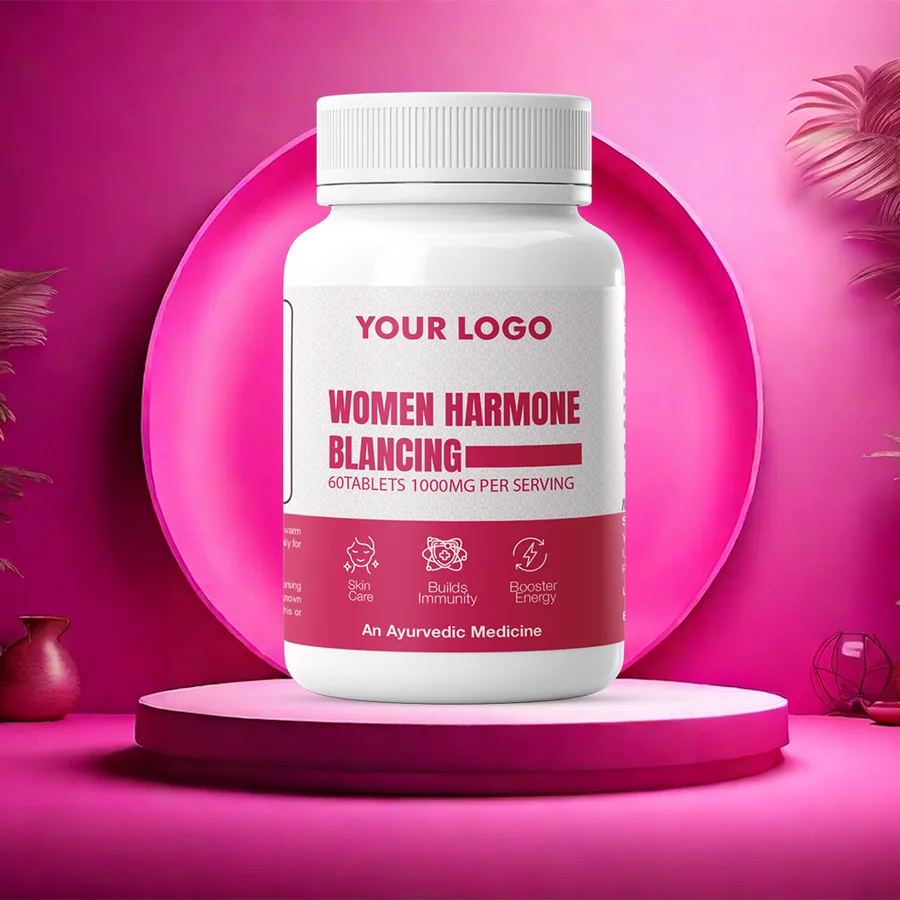
Symptoms and causes in Hindi: PCOD के लक्षण और कारण. Product composition: Ovario 360.
Get our product list and minimum orders
Leave your email and we will send the formats we make, the minimum order for each and typical lead times. We use it only to reply to you.
Manufacturing in this category?
We make products in this category for other people's brands. Tell us the format and volume and we will send a specification and a per-unit cost.
Request a quotation ↗NutraHerbal manufactures food supplements, Ayurvedic proprietary medicines and cosmetics for business customers. Product information on this site describes composition, format and commercial positioning for brand owners. It is not medical advice, does not claim to diagnose, treat, cure or prevent any disease, and is not a substitute for consulting a qualified practitioner. Final label claims are the brand owner's responsibility and must be approved for the destination market.
How we write and review content: editorial policy.