Reviewed for accuracy and claims compliance: Claims compliance review
Amla’s reputation rests on one number, and that number is quoted carelessly.
“Twenty times the vitamin C of an orange” is the usual claim. It is roughly in the right territory for fresh fruit, and it stops being true the moment the fruit is processed, which is how almost everybody actually consumes it.
This article is the real numbers, what processing does to them, and what amla is genuinely good for once you stop treating it as a vitamin C delivery vehicle.
We manufacture amla products. The honest version is more interesting than the marketing one.
This is information, not medical advice. Amla has real interactions with blood thinners and diabetes medication, see below.
The fruit
Phyllanthus emblica, formerly Emblica officinalis. Indian gooseberry, amla, amalaki, nellikai, aonla.
Classically one of the most important ingredients in Ayurveda, rasayana, vayasthapana (age-sustaining), chakshushya (good for the eyes), and the base of both Triphala and Chyawanprash, which are two of the most-consumed classical formulations in India.
And it is one of the few ingredients where the classical prominence and the modern chemistry point the same way.
The vitamin C numbers
Reported values for fresh amla vary widely, commonly cited in the range of roughly 300 to 900 mg per 100 g, with some analyses reporting higher and some lower.
That spread is not sloppiness. It reflects genuine variation by cultivar, ripeness, growing region, season and analytical method, and it is why a single headline figure is misleading.
For comparison, as a rough ordering:
| Food | Vitamin C (mg per 100 g, approximate) |
|---|---|
| Amla, fresh | ~300–900 |
| Guava | ~200–230 |
| Capsicum, red | ~120–150 |
| Lemon juice | ~40–50 |
| Orange | ~50–60 |
| Mosambi | ~30–50 |
So “many times an orange” is fair for fresh amla. “Twenty times” is at the optimistic end and depends which figures you pick.
And the practically important point: guava is in the same conversation. It is cheaper, available year-round in much of India, pleasant to eat, and nobody markets it. If vitamin C is what you want, a guava is an excellent and under-rated answer.
We would rather say that than sell you a capsule.
The heat stability claim, partly true
Amla is said to retain its vitamin C unusually well through heat. This is more than marketing, and it is less than it sounds.
The mechanism offered: amla’s tannins, chiefly emblicanin A and B, plus gallic and ellagic acid, are thought to protect ascorbic acid from oxidation. There is laboratory support for better retention than plain ascorbic acid under comparable conditions.
And the limits:
“Better retention” is not “no loss”. Prolonged boiling, as in making an avaleha like Chyawanprash, destroys a substantial proportion.
Drying matters enormously, which is a separate article, because shade-dried and heat-dried amla are not the same material.
And there is a complication worth knowing: some older analytical methods overstate amla’s vitamin C, because the tannins and polyphenols interfere with the titration chemistry used. Modern HPLC values tend to come out lower than the classic figures. Some of amla’s legendary numbers are partly a measurement artefact, and this is rarely mentioned.
Our honest position: fresh amla is a genuinely excellent vitamin C source. Processed amla products contain much less, and how much less depends entirely on processing.
Why the vitamin C framing undersells it
Here is the interesting part.
If vitamin C were the whole story, amla would be a slightly awkward way to buy something available as a cheap, pure, stable tablet.
And vitamin C is probably not the most interesting thing in it.
The polyphenol fraction, emblicanins, gallic acid, ellagic acid, corilagin, chebulagic acid, has well-documented antioxidant activity in laboratory work, and it is this fraction that most of the modern research is actually about.
What has been reported, honestly graded:
Antioxidant activity, extensively documented in vitro. This is the strongest and least contested finding, and also the least directly meaningful for a person.
Lipids, several small human trials report reductions in total and LDL cholesterol with amla extract. The trials are small, often unblinded, and mostly from a small number of centres. Interesting, not established.
Blood glucose, small human studies reporting improvements in fasting glucose and HbA1c. Same limitations. And a practical consequence: if you take diabetes medication, this is a reason to monitor rather than to assume nothing is happening.
Gastroprotective effects, animal and preliminary human work, and it aligns with the classical use in hyperacidity. Which is counter-intuitive for a sour fruit, and we have written about it separately.
Hepatoprotective, anti-inflammatory and immunomodulatory effects, preclinical.
Hair and skin, the modern evidence is thin, and we have written about hair separately because the claims made there outrun the data badly.
Honest summary: a genuinely rich source of vitamin C and polyphenols, long and prominent classical use, preclinical work that is substantial, and human evidence that is small-scale and preliminary.
That is a good ingredient. It is not a treatment for anything.
What amla is actually useful for, practically
Four honest uses.
1. As a vitamin C source in the diet. Fresh, raw, or as juice. And vitamin C’s authorised roles are real: immune function, collagen formation, protection from oxidative stress, and, the most practically useful, increasing iron absorption.
2. With iron-containing meals. This is the best practical use of amla in an Indian kitchen. Non-haem iron absorption improves markedly with vitamin C in the same meal, and iron deficiency is very common here. Amla with dal, or amla chutney with a meal, is a genuinely effective, free intervention.
3. As a traditional rasayana, if that framework matters to you, with long classical use and a clean test certificate.
4. And in Triphala, for its classical role there.
What it is not useful for: replacing a vitamin C tablet if that is all you want, or treating any condition.
Safety and interactions, which are real
Amla is a food and generally very well tolerated. And it has three interactions worth taking seriously.
Antiplatelet and anticoagulant medicines. Amla has reported antiplatelet activity, and caution is advised with warfarin, DOACs, clopidogrel and aspirin. Stop high-dose supplements before surgery and tell your surgeon.
Diabetes medication. Blood-glucose-lowering effects have been reported, so monitor, and tell your doctor.
And acid and the gut. Classically it is used for hyperacidity, and in practice some people find concentrated juice on an empty stomach uncomfortable. Separate article; the short version is that it depends on the person and the dose.
Other points:
It has a mild laxative effect, and this is amplified in Triphala.
Kidney stones, high-dose vitamin C increases urinary oxalate, so ask your doctor if you have had stones. Food amounts are not the concern; concentrated daily supplements are the question.
Iron overload or haemochromatosis, increasing iron absorption is the wrong direction.
Pregnancy and lactation, food amounts are fine; concentrated extracts should be discussed with a doctor.
And dental enamel, neat juice is acidic. Dilute it, and rinse with water afterwards rather than brushing immediately.
For anyone buying or specifying amla products
Four things to look at.
1. Does the label state vitamin C content, and is it standardised? “Rich in vitamin C” is not a figure. A product that assays and declares it is telling you something; one that does not is relying on the fruit’s reputation.
And watch for added ascorbic acid, some amla products are fortified with synthetic vitamin C to hit a number. That is not dishonest if declared, and it should be declared.
2. Processing and drying method, shade-dried versus heat-dried changes the material substantially, and we have written about that separately.
3. Batch-wise heavy metals, pesticides and microbiology. Amla is an agricultural crop and this is not optional.
4. And for juices: added sugar, preservatives, and the actual amla content, many “amla juices” are substantially water and sugar with a modest amla fraction. Read the percentage.
Claims, what we can and cannot say
What is sayable: vitamin C contributes to the normal function of the immune system, to normal collagen formation for the normal function of blood vessels, bones, cartilage, gums, skin and teeth, to normal energy-yielding metabolism, to normal psychological function, to the protection of cells from oxidative stress, to the reduction of tiredness and fatigue, to the regeneration of the reduced form of vitamin E, and it increases iron absorption, where the product delivers a qualifying amount of vitamin C.
That last condition matters: the claim belongs to the vitamin C, not to the amla. If the product does not provide enough vitamin C to qualify, the claim is not available, however much amla is in it.
Plus a traditional-use statement for amla as a classical rasayana, clearly framed as traditional use.
What is not sayable: lowers cholesterol, controls blood sugar, improves hair growth, treats acidity, detoxifies, boosts immunity, or is “the richest source of vitamin C”, a superlative we would not print, because the figures vary too much to support it.
And what we decline: “20 times an orange” as a headline claim, because it depends on which numbers you choose and it is not true of processed product; and any claim about hair regrowth.
The honest position
Amla is one of the ingredients we are most comfortable making, because the classical standing and the chemistry agree, the safety profile is good, and the authorised vitamin C claims genuinely describe something real.
And three honest qualifiers:
Fresh amla and amla products are different things, and most of the famous numbers belong to the fresh fruit.
Guava is in the same vitamin C conversation, costs less, and tastes better.
And the most valuable thing amla does in an Indian diet is improve iron absorption from dal and greens, which is a real, mechanistic, useful effect, and it is the one nobody markets.
When to see a doctor
Before taking concentrated amla supplements:
- If you take warfarin, a DOAC, clopidogrel or aspirin
- Before any surgery or dental procedure, stop high doses in advance
- If you take diabetes medication, monitor glucose
- If you have had kidney stones
- In haemochromatosis or iron overload
- In pregnancy or lactation
- With active peptic ulcer or significant reflux
Soon:
- Persistent acidity or stomach pain, this needs a diagnosis, not a juice
- Fatigue that does not lift, test haemoglobin, ferritin, B12 and thyroid
- Raised cholesterol or blood sugar, these are medical conversations
The short version
- “20 times an orange” is at the optimistic end and is not true of processed product.
- Fresh amla reports range roughly 300–900 mg vitamin C per 100 g, real variation by cultivar, ripeness and method.
- Guava is in the same conversation, cheaper and year-round. Nobody markets it.
- The heat-stability claim has laboratory support, tannins appear to protect ascorbic acid.
- “Better retention” is not “no loss”, prolonged boiling destroys a substantial proportion.
- Some older assays overstate amla’s vitamin C because tannins interfere with the chemistry.
- Vitamin C is probably not the most interesting thing in it, the polyphenol fraction is.
- Antioxidant activity is extensively documented in vitro and least meaningful clinically.
- Small human trials on lipids and glucose are interesting, not established.
- If you take diabetes medication, monitor, glucose-lowering effects are reported.
- The best practical use is with iron-containing meals, it markedly improves non-haem iron absorption.
- That is the effect nobody markets, and it matters most in India.
- Reported antiplatelet activity, caution with blood thinners, and stop before surgery.
- High-dose vitamin C raises urinary oxalate, ask if you have had stones.
- Dilute neat juice and rinse, it is acidic on enamel.
- Mild laxative effect, amplified in Triphala.
- Ask whether vitamin C content is assayed and declared, “rich in” is not a figure.
- Watch for added synthetic ascorbic acid, acceptable if declared.
- Read the amla percentage in juices, many are mostly water and sugar.
- The authorised claims belong to the vitamin C, not to the amla, and only if the product delivers a qualifying amount.
- We will not print “20 times an orange” or any hair-regrowth claim.
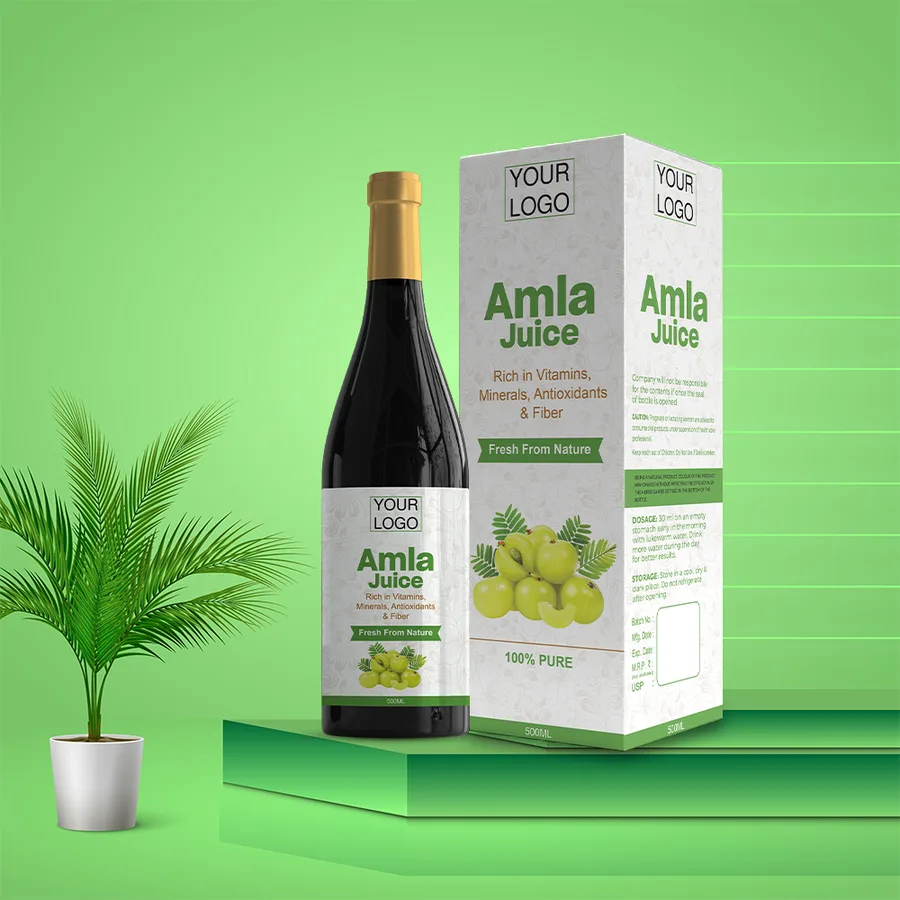
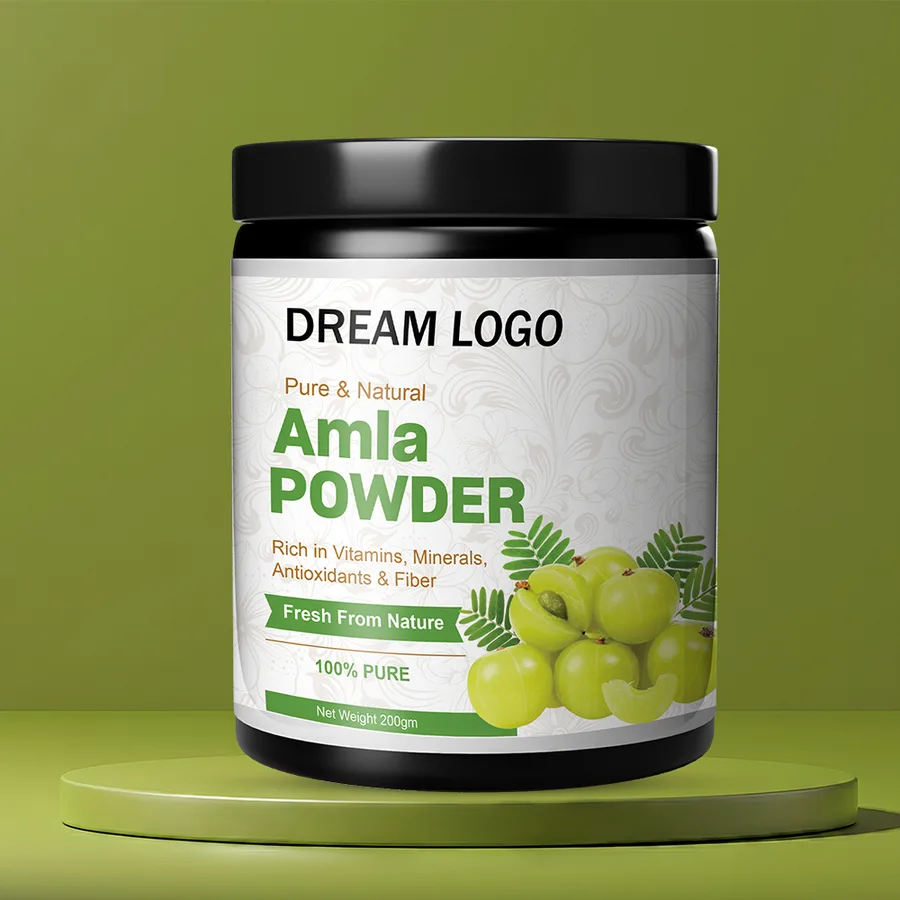
Ingredient detail: amla. Composition: amla juice and amla powder. Related: amla juice vs churna vs capsule, shade-dried vs heat-dried, and amla for hair.
Get our product list and minimum orders
Leave your email and we will send the formats we make, the minimum order for each and typical lead times. We use it only to reply to you.
Manufacturing in this category?
We make products in this category for other people's brands. Tell us the format and volume and we will send a specification and a per-unit cost.
Request a quotation ↗NutraHerbal manufactures food supplements, Ayurvedic proprietary medicines and cosmetics for business customers. Product information on this site describes composition, format and commercial positioning for brand owners. It is not medical advice, does not claim to diagnose, treat, cure or prevent any disease, and is not a substitute for consulting a qualified practitioner. Final label claims are the brand owner's responsibility and must be approved for the destination market.
How we write and review content: editorial policy.