Reviewed for accuracy and claims compliance: Claims and compliance review
Most “which format” questions are about convenience. This one is not.
One aloe leaf contains two materials with almost nothing in common.
The inner leaf gel is about 99% water, with polysaccharides. It is soothing, hydrating and bland.
The latex, in a thin layer just under the rind, contains anthraquinones, chiefly aloin, and is a stimulant laxative.
So the real question behind “juice or capsule or gel” is: which of those two am I buying, and does the label tell me?
And in India, usually, it does not.
We make all three. This article sets out what each format is for, which one is most likely to contain the thing you did not ask for, and the one specification that matters more than the format.
General information, not medical advice. The aloin question has its own article and it is more important than this one. If you have kidney disease or take digoxin or a diuretic, read that first.
The two materials, briefly
Inner leaf gel (parenchyma), the clear pulp. About 99% water. Polysaccharides including acemannan, some enzymes, trace minerals.
Latex / sap, the bitter yellow fluid immediately under the green rind. Contains aloin (barbaloin). A stimulant laxative, acting on the colon in the same general way senna does.
And the processing distinction that follows:
Inner leaf products are made by filleting the leaf, cutting away the rind and the latex layer and using only the pulp.
Whole leaf products grind the entire leaf, which includes the latex, and then usually remove the aloin by activated carbon filtration, described on labels as “decolourised”.
So a whole-leaf product can be perfectly fine, if the decolourisation was done and verified. And an unverified whole-leaf product is an unknown dose of a laxative.
The relevant background: the International Agency for Research on Cancer classified whole-leaf aloe vera extract as possibly carcinogenic to humans (Group 2B), on the basis of rat studies, and that classification is about whole-leaf extract, not decolourised inner-leaf material. Industry certification schemes set an aloin limit for ingestible products, commonly below 10 parts per million.
Which gives the single most useful buying rule in this article:
For anything you swallow, the label should state inner leaf, or decolourised, or an aloin figure. If it states none of the three, you cannot assess it.
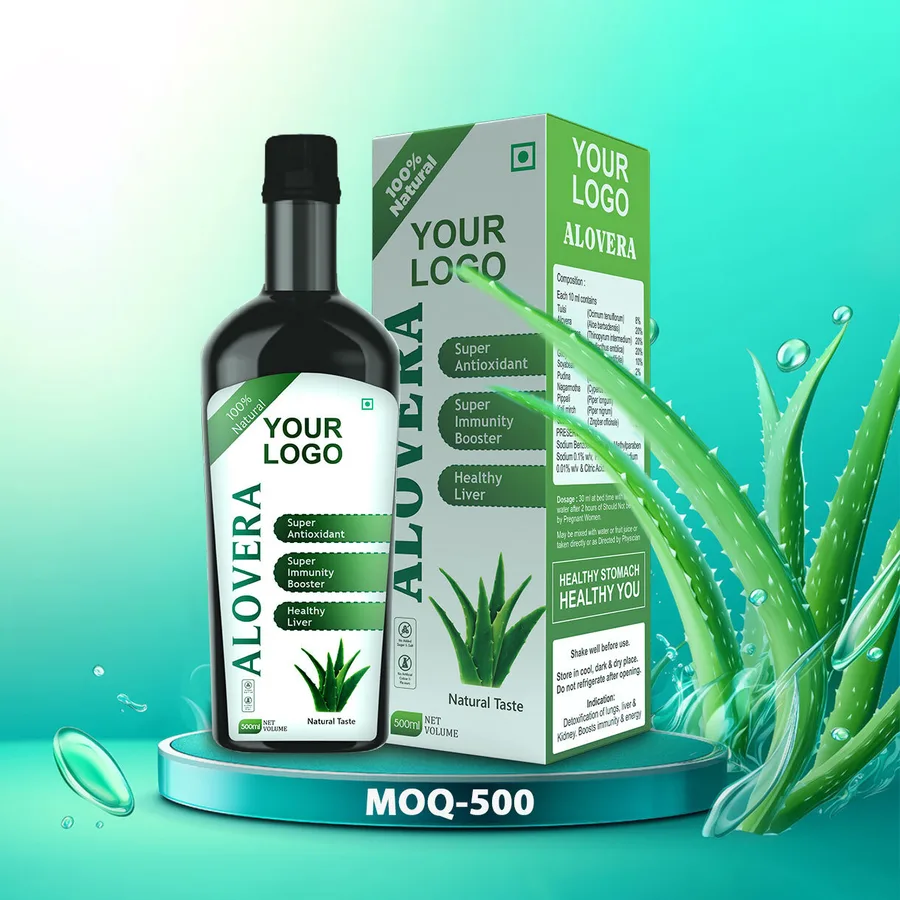
Juice
What it is: inner leaf gel or decolourised whole-leaf material, diluted, preserved, usually flavoured.
Advantages:
Large volume, if the point is the hydrating, demulcent inner-leaf material, volume is how you get it. Easy to take. And measured, 20 ml is 20 ml.
Disadvantages, and these are substantial:
Dilution is invisible. “Aloe vera juice” can be 90% aloe or 20% aloe with water, sugar and flavour. The percentage should be declared and usually is not.
Added sugar. Check it every time. A pleasantly sweet aloe juice is usually mostly sugar syrup, and that is worth knowing in a country with this much diabetes.
Preservatives, sodium benzoate or potassium sorbate. Necessary for a shelf-stable juice, and they should be declared.
And this is the format where the laxative surprise happens. If a juice reliably “cleans you out”, that is aloin, and it means the decolourisation was partial or absent.
Our position: juice is the right format for inner-leaf material and the wrong format to buy without an aloin statement.
Capsule
What it is: dried aloe, either inner leaf gel powder, or whole-leaf powder, or sometimes concentrated latex sold specifically as a laxative.
And this is the format with the widest range of contents under one name.
Advantages:
No taste. Measured and portable. And if it is genuinely inner-leaf gel powder, a concentrated way to take the polysaccharide fraction.
Disadvantages:
You cannot see anything. And in a category where the same plant yields a bland hydrator and a stimulant laxative, that matters more than usual.
Dose arithmetic. Inner leaf gel is 99% water, so drying it concentrates it roughly a hundredfold. Which means a 500 mg capsule of inner-leaf powder corresponds to a substantial volume of gel, and the label should tell you the concentration ratio. Most do not.
And the specific risk: capsules are where undeclared whole-leaf or latex material is least detectable. Many aloe capsules sold for “digestion” or “detox” are functioning as laxatives, and the consumer attributes the effect to cleansing.
So for capsules, ask: inner leaf or whole leaf; decolourised or not; and the extract ratio.
Gel (topical)
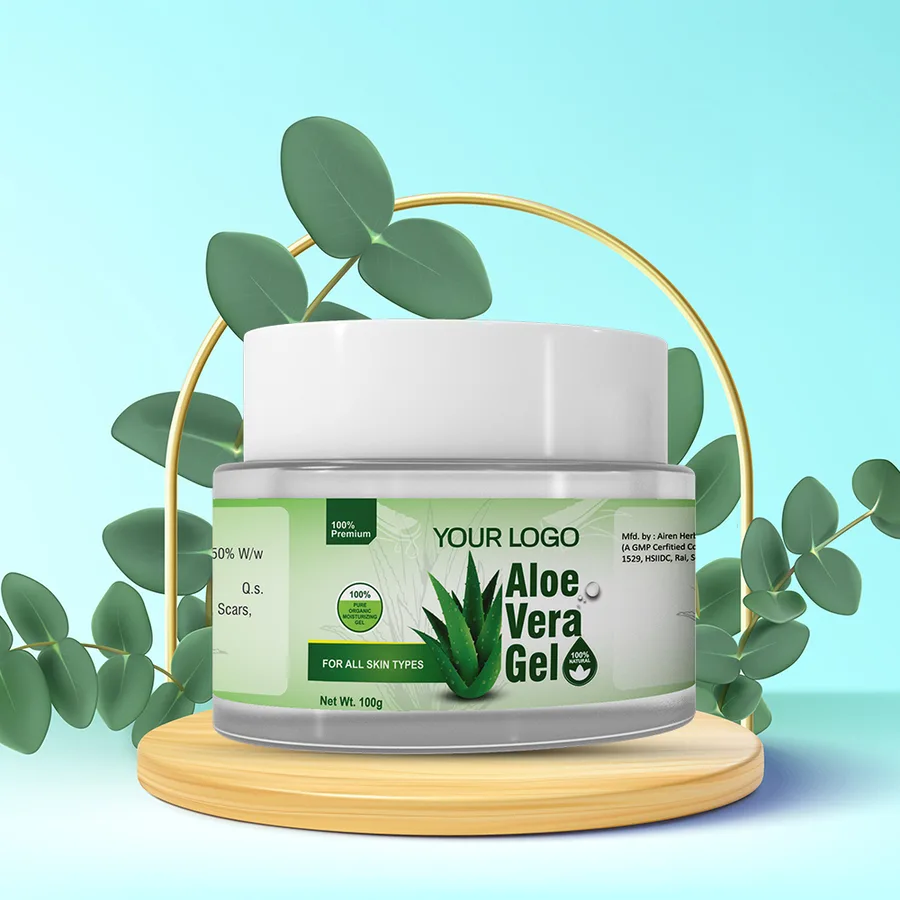
What it is: inner leaf gel, thickened and preserved for external use.
And this is the format where aloe’s evidence is genuinely best.
Advantages:
The evidence is here, not in the oral products. Small studies support topical aloe in first- and second-degree burns, in psoriasis, and in mouth ulcers and oral lichen planus. The oral evidence is far weaker.
Low risk, contact dermatitis aside.
Cheap, and you can make it from a leaf.
Disadvantages:
“Aloe vera gel” can contain very little aloe. The percentage should be on the label.
Thickeners, alcohol and fragrance, and these are what make cheap gel feel sticky or sting, which we have written about separately.
And a point people miss: gel is a humectant, not an occlusive. It draws water in and does not hold it there, so it needs a moisturiser over the top or the skin ends up drier. We have written about that too.
And one practical warning: a cosmetic gel containing preservatives, alcohol and fragrance is not a product for the mouth. For mouth ulcers you need an oral-grade preparation.
Side by side
| Juice | Capsule | Gel (topical) | |
|---|---|---|---|
| Which material | Inner leaf, usually | Either, often unclear | Inner leaf |
| Aloin risk | Real, if not decolourised | Highest, invisible | Not relevant |
| Where the evidence is | Weak | Weak | Best |
| Dose visible? | Partly | No | Partly |
| Added sugar | Often | No | No |
| Preservative | Yes | Usually no | Yes |
| Cost per use | Moderate | Higher | Low |
| Can you make it at home? | Yes | No | Yes |
| Best for | Inner-leaf volume | Convenience | Skin, burns, soothing |
What the oral evidence actually supports
Being honest, because this governs whether any oral format is worth buying.
Constipation, yes, and by the laxative mechanism. That is aloin doing what stimulant laxatives do. Short-term use only; these are not for months.
Blood glucose, small human studies report modest reductions in fasting glucose. Interesting, small, and also an interaction caution.
Gastrointestinal comfort, reflux, IBS, small, weak studies. Plausible via the demulcent mucilage of the inner leaf.
Ulcerative colitis, one small trial, weak.
And nothing of quality for: “detox”, weight loss, immunity, blood purification, hair growth, or skin benefits from drinking it.
And the governing regulatory fact: there is no authorised health claim for aloe vera.
So the honest summary of oral aloe: a mild demulcent with a laxative confound and modest glucose data. That is a thin case for a daily product, and it is sold as a transformative one.
The things to check, in order of importance
1. Inner leaf, decolourised, or an aloin figure, for anything swallowed. This is first and it is not close.
2. Aloe percentage, for juices and gels.
3. Added sugar, juices.
4. Extract ratio, capsules.
5. Preservatives declared.
6. Batch-wise microbiology and heavy metals.
7. And the sensory check: genuine aloe juice tastes slightly bitter and astringent. A juice that tastes pleasant is usually mostly sweetened water. And genuine gel is colourless to pale yellow-brown, bright green is added colour.
And the cheapest option
If you have an aloe plant, and many Indian homes do:
Cut a leaf. Stand it upright for 10–15 minutes and let the yellow latex drain out. That single step is the aloin-removal step, and it is free.
Then slice off the rind and take the clear pulp.
Use it on skin directly, or blend it with water to drink.
It has no preservative, no sugar, no dilution and no aloin, and it costs nothing. It also keeps only a few days in the fridge, which is the trade-off.
We sell all three formats. That paragraph is still the honest answer for a lot of people.
What we will and will not say
Sayable: the botanical name (Aloe barbadensis Miller) and part used; inner leaf or whole leaf; decolourised status or aloin content; the aloe percentage; the extract ratio; a traditional-use statement framed as traditional use; and authorised claims for any vitamins or minerals present. For topical products, cosmetic claims about skin hydration, comfort and appearance within the cosmetic framework.
Not sayable: detoxifies, purifies the blood, aids weight loss, boosts immunity, treats diabetes, treats constipation (a medicinal claim), treats acne, removes scars, treats psoriasis or eczema.
And three refusals:
We will not sell an ingestible aloe product without stating the aloin position. It is the one specification that determines whether the product is a mild demulcent or an undeclared laxative.
We will not use the word “detox”, because the effect being sold under that name is a laxative effect, and it should be called by its name.
And we will not make weight-loss claims, because what a laxative removes is gut contents and water, and it returns.
And the most honest summary:
One leaf, two materials: a bland 99%-water gel, and a laxative latex.
Which format you buy largely determines which one you get, and capsules are where undeclared latex is least visible.
Aloe’s real evidence is topical: burns, psoriasis, mouth ulcers. The oral evidence is a mild demulcent, modest glucose data, and a laxative.
So for skin, buy the gel. For constipation, know that you are buying a laxative and use it briefly. And for anything you swallow, if the label does not say inner leaf, decolourised, or an aloin figure, put it down.
When to see a doctor
Do not take oral aloe if you: are pregnant or breastfeeding; want to give it to a child (not without a paediatrician, stimulant laxatives are not for children); have inflammatory bowel disease or suspected bowel obstruction; or have undiagnosed abdominal pain.
Ask first if you: take digoxin, the most important one, because low potassium from laxative use increases digoxin toxicity; take a diuretic; have kidney disease; take diabetes medication (monitoring); take any regular medicine (a laxative effect reduces absorption, separate the timing); have a history of low potassium; or are allergic to the Liliaceae family (onion, garlic).
Stop and get checked: muscle weakness or cramps, palpitations, marked fatigue or dizziness, signs of low potassium; persistent diarrhoea or abdominal pain; rash.
Get investigated rather than medicated if you have: new constipation over the age of 45; blood in the stool or black stools; a clear change in bowel habit; unexplained weight loss; persistent abdominal pain; or constipation with anaemia. Taking a stimulant laxative for months instead of finding the cause is where the real harm in this category sits.
And for skin: hospital rather than gel for a large, deep or blistered burn, a burn on the face, hands or joints, or an electrical or chemical burn. First step for any burn is cool running water for 20 minutes, not toothpaste, butter, ghee, turmeric or ice.
The short version
- One aloe leaf contains two materials with almost nothing in common
- Inner leaf gel is about 99% water, with polysaccharides, bland and soothing
- The latex under the rind contains aloin and is a stimulant laxative
- So the format question is really “which of the two am I buying”
- Inner-leaf products are filleted, removing rind and latex
- Whole-leaf products grind everything, then usually remove aloin by carbon filtration
- “Decolourised” is the label word for that filtration
- IARC classified whole-leaf aloe extract as Group 2B, from rat studies
- That classification concerns whole-leaf extract, not decolourised inner leaf
- Industry schemes commonly set an aloin limit below 10 ppm for ingestibles
- So for anything swallowed, require inner leaf, decolourised, or an aloin figure
- If a label states none of those three, you cannot assess it
- Juice volume is how you get inner-leaf material, if that is what you want
- “Aloe vera juice” can be 90% aloe or 20% aloe with sugar and water
- A pleasantly sweet aloe juice is usually mostly sugar syrup
- If a juice reliably purges you, that is aloin
- Capsules have the widest range of contents under one name
- Drying inner leaf gel concentrates it roughly a hundredfold
- So a capsule should state its extract ratio, and most do not
- Capsules are where undeclared whole-leaf or latex material is least detectable
- Many “digestion” or “detox” capsules are functioning as laxatives
- Aloe’s best evidence is topical: burns, psoriasis, mouth ulcers
- The oral evidence is substantially weaker
- “Aloe vera gel” can contain very little aloe, check the percentage
- Gel is a humectant, not an occlusive, it needs moisturiser over it
- A cosmetic gel with preservative and alcohol is not for the mouth
- Oral aloe helps constipation, by being a laxative, short-term only
- Small studies show modest fasting glucose reductions, also an interaction
- Nothing of quality for detox, weight loss, immunity or hair
- Genuine aloe juice tastes slightly bitter and astringent
- Genuine gel is colourless to pale yellow-brown; bright green is added colour
- From a home plant: stand the cut leaf 10–15 minutes to drain the latex, that is the aloin step, free
- Low potassium from laxative use increases digoxin toxicity
- There is no authorised health claim for aloe vera
Ingredient detail: aloe vera. Our formats: Aloe Vera Juice, Aloe Vera Capsule, Aloe Vera Gel. Related reading: inner leaf vs whole leaf, the aloin problem, एलोवेरा जूस पीने के फ़ायदे और नुक़सान, why cheap aloe gel feels sticky, and aloe vera for face.
Get our product list and minimum orders
Leave your email and we will send the formats we make, the minimum order for each and typical lead times. We use it only to reply to you.
Manufacturing in this category?
We make products in this category for other people's brands. Tell us the format and volume and we will send a specification and a per-unit cost.
Request a quotation ↗NutraHerbal manufactures food supplements, Ayurvedic proprietary medicines and cosmetics for business customers. Product information on this site describes composition, format and commercial positioning for brand owners. It is not medical advice, does not claim to diagnose, treat, cure or prevent any disease, and is not a substitute for consulting a qualified practitioner. Final label claims are the brand owner's responsibility and must be approved for the destination market.
How we write and review content: editorial policy.