Reviewed for accuracy and claims compliance: Claims and compliance review
Open a classical Ayurvedic prescription and you will find something a modern supplement label almost never contains.
It does not just say what to take and how much. It says what to take it with.
Triphala with warm water, or with honey, or with ghee, and the texts say each produces a different effect.
Shatavari with milk. Arjuna bark decocted in milk. Guggulu preparations with warm water. Certain churnas with buttermilk, others with honey.
That instruction is called anupana, and it is a formal part of the prescription, not a serving suggestion.
And here is why it is worth an article: a surprising amount of it has a defensible pharmacological reading. Not all of it. But enough that discarding the whole thing was careless.
Modern capsules took the drug and dropped the carrier, and nobody noticed.
General information, not medical advice. And one safety point that belongs at the top: honey must never be given to a baby under one year, and that applies to Ayurvedic preparations containing honey too.
What anupana means
Anu = after or along with. Pana = drink.
So literally: the thing drunk along with.
And the classical texts give it specific jobs:
To carry the drug to where it is meant to act.
To assist absorption.
To modify the drug’s action, the same drug with a different carrier being described as acting differently.
To moderate an unwanted quality, reducing dryness, heat, or heaviness.
And to make the medicine palatable, which is not a trivial function for something bitter taken daily.
And the anupana was chosen using the same guna logic that governs the rest of the system, qualities reinforcing or opposing qualities. We have written about that framework separately.
The carriers, and the reading that holds up
Warm water (ushna jala)
The commonest, and the most defensible.
Classically used for kapha conditions, for guggulu preparations, and generally where lightness is wanted.
And the straightforward modern reading:
Warm water aids dissolution of a powder, a churna disperses better in warm water than cold.
It does not add any quality of its own, which is exactly why it suits cases where you want nothing added.
And for resinous preparations like guggulu, warm water genuinely helps, resins disperse poorly in cold water. This is simple physical chemistry and the classical choice is correct.
Milk (dugdha)
The carrier for nourishing, cooling, strengthening drugs, shatavari, ashwagandha, arjuna, many rasayanas.
And this one has several defensible readings at once:
Fat as a solvent. Milk contains fat, and fat-soluble constituents are carried better in it than in water. For a drug whose actives include saponins and other lipophilic compounds, this is a real effect.
Tannin binding. Milk proteins bind tannins. This is why tea with milk tastes less astringent than black tea, the same chemistry. So for a tannin-rich astringent bark like arjuna, milk reduces both the astringency and the gastric irritation. The classical choice of milk for arjuna kshirapaka is, on this reading, pharmacologically sensible.
Quality reinforcement. Milk is classically madhura (sweet) and sheeta (cooling), so it reinforces the direction of a sweet, cooling drug rather than opposing it.
And a buffering effect on a weak digestion for heavy preparations.
So when the texts say shatavari with milk, there are at least three coherent reasons, and modern capsules deliver it with water.
Honey (madhu)
Classically a carrier for kapha conditions, for respiratory preparations, and described as yogavahi, a carrier that enhances what it is given with.
Defensible readings:
It is a demulcent, viscous and coating. For anything aimed at a sore throat or cough, this is the main mechanism, and the evidence for honey itself in cough is reasonable.
It makes bitter drugs tolerable, which drives adherence.
And it is a preservative, which mattered for avaleha preparations.
And the honey rule that is genuinely important
Classical texts contain a specific instruction: honey should not be heated, and should not be combined with equal quantities of ghee.
On heating honey, the classical position is that it becomes harmful. And there is a modern observation that sits alongside it: heating honey increases hydroxymethylfurfural (HMF), a marker of thermal degradation, and degrades its enzymes. Whether that constitutes harm at culinary temperatures is not established, so the honest statement is that the classical instruction exists, a related modern observation exists, and the two have not been shown to be the same thing.
But the instruction that is not negotiable is modern and absolute:
Never give honey to an infant under one year of age. Infant botulism is a real, documented risk from honey, and this applies to any Ayurvedic preparation containing honey.
That one belongs on packs and is almost never there.
Ghee (ghrita)
For vata and pitta conditions, for nourishing and neurological preparations, and the basis of the whole ghrita dosage form.
Defensible reading:
Fat-soluble constituents need fat. This is the clearest case in the whole list. A drug whose actives are lipophilic, given with water, delivers less. Given with ghee, more.
And the sneha paka method, cooking herb paste and decoction into ghee for hours, is a fat extraction technique. It is doing what a modern lipid-based formulation does, with pre-industrial equipment.
Buttermilk (takra)
For digestive and kapha conditions, and in grahani (a classical category covering malabsorption and bowel disturbance).
Readings: it is sour and light; it contains live cultures; and it is a reasonable vehicle for digestive preparations. The probiotic angle is plausible and under-studied here.
Jaggery, sugar, rock salt, lime juice, and others
Each matched to specific conditions in the texts, and each with a quality-logic rationale.
The triphala example, where the system is at its most interesting
And this is the cleanest illustration, because one drug gets three carriers with three stated purposes.
Classical sources describe triphala taken differently for different ends:
With honey, associated with eye conditions and with kapha.
With ghee, associated with pitta conditions.
With warm water, the general, laxative, cleansing use.
And with rock salt in some sources, for vata.
Now: is this pharmacologically demonstrated? No. Nobody has run a trial of triphala-with-honey against triphala-with-ghee.
But look at what the system is claiming. It is claiming that the vehicle changes the clinical application of a fixed drug. That is a coherent, specific, falsifiable claim, and a modern pharmacologist would recognise it as a claim about formulation affecting bioavailability and tissue distribution.
Which is a real phenomenon. Formulation does change where a drug goes and how much arrives. The classical system identified that principle and built a vocabulary for it.
It did not identify it with modern precision, and the specific assignments are untested. Both things are true.
What modern products did
They dropped it.
A capsule is swallowed with water. That is the whole instruction.
And in fairness, there are reasons:
Convenience, and convenience drives adherence, which matters.
Standardisation, a measured capsule is more consistent than a spoon of churna in an unmeasured amount of milk.
And honestly: nobody has demonstrated that the carrier matters enough to justify the inconvenience. That is a fair position and we should state it.
But two things follow that are not fair:
First, a product sold on classical authority has discarded half the classical instruction. If the tradition’s prescription is the reason to trust the product, the prescription included the carrier.
And second, in the cases where the pharmacological reading is strong, fat-soluble constituents needing fat, tannins needing milk protein, dropping the carrier plausibly costs you something measurable.
So our position: where the chemistry supports the carrier, the carrier should be on the label.
Practical guidance
If you are taking a churna, the carrier is available to you and costs nothing:
Warm water, the default, and right for guggulu preparations and anything cleansing or lightening.
Milk, for nourishing, cooling, strengthening herbs, and for astringent tannin-rich barks. Warm, taken off the heat before adding the powder.
Ghee, for anything whose actives are fat-soluble, and for vata-type dryness.
Honey, for throat and respiratory preparations. Added to warm, not hot, liquid. And never for an infant under one.
Buttermilk, for digestive preparations.
And the general rule: do not add powders to boiling liquid. Take the vessel off the heat first. Volatile constituents leave with the steam, and that applies to tulsi, mint, ajwain and anything aromatic.
If you are taking a capsule: the carrier question is mostly closed, and the one thing you can still do is take fat-soluble material with a meal containing fat. That applies to vitamin D, vitamin A, vitamin K, curcumin, and the lipophilic constituents of several herbs. It is free and it is the modern remnant of anupana.
What we will and will not say
Sayable: the classical anupana for a formulation, stated as the classical instruction; the botanical names, parts and quantities; the dosage form; and authorised nutrient-function claims for vitamins and minerals present.
And a factual, defensible statement we do make: fat-soluble constituents are better absorbed with dietary fat. That is pharmacology, not tradition, and it happens to agree with the classical ghee and milk instructions.
Not sayable: that a particular carrier makes a product treat a particular disease; that the classical carrier assignments are clinically proven; or any disease claim for the formulation itself.
And two things we do:
We print the classical anupana on churna products, labelled as the classical instruction.
And we say “take with food containing fat” where the chemistry calls for it, which is the one piece of anupana that survives into the capsule era with evidence behind it.
And the most honest summary:
Anupana is a formal part of a classical prescription, not a serving suggestion, and the texts claim the carrier changes what the drug does.
Several of the choices have a defensible modern reading: fat for lipophilic constituents, milk protein for tannins, warm water for resins, honey as a demulcent.
The specific classical assignments, triphala with honey for the eyes, with ghee for pitta, are untested.
And modern capsules dropped the whole thing while continuing to sell on classical authority, which is the part that does not hold together.
When to see a doctor
And some of these are specific to the carriers:
Never give honey to an infant under one year, infant botulism. This includes any Ayurvedic preparation containing honey.
If you have diabetes: honey, jaggery and sugar carriers all matter, and so does the sugar content of any avaleha. Ask.
If you are lactose intolerant: milk as a carrier may cause symptoms. Curd or buttermilk is usually better tolerated, since fermentation reduces lactose.
If you have been advised to limit fat, or have gallbladder disease: ghee as a carrier is a question for your doctor.
If you are on a salt-restricted diet, for blood pressure, heart failure or kidney disease: rock salt carriers matter.
If you have kidney disease: ask about any carrier, and about potassium.
And generally, ask before taking any Ayurvedic preparation if you: take regular prescription medicine; are pregnant, breastfeeding or trying to conceive; have liver or kidney disease; or are giving it to a child.
Show your doctor the pack rather than naming the medicine, classical formulations contain many ingredients, and some contain metals or alcohol.
The short version
- A classical prescription names what to take the medicine with
- That instruction is anupana, and it is formally part of the prescription
- Anu = along with; pana = drink
- Its stated jobs: carry, assist absorption, modify action, moderate a quality, improve palatability
- And it was chosen with the same guna logic as the rest of the system
- Warm water is the commonest and most defensible carrier
- It aids dissolution and adds no quality of its own
- And resins like guggulu genuinely disperse poorly in cold water
- Milk has at least three coherent readings
- Fat as a solvent for lipophilic constituents
- Milk protein binds tannins, the same chemistry as milk in tea
- So milk for a tannin-rich bark like arjuna is pharmacologically sensible
- And milk is classically sweet and cooling, reinforcing such drugs
- Honey is a demulcent, and honey’s own cough evidence is reasonable
- It also makes bitter drugs tolerable, which drives adherence
- Classical texts say honey should not be heated
- Heating raises HMF and degrades enzymes, a related but not identical observation
- Never give honey to an infant under one, infant botulism
- And that applies to Ayurvedic preparations containing honey
- Ghee is the clearest case: fat-soluble actives need fat
- Sneha paka is a fat-extraction technique with pre-industrial equipment
- Buttermilk suits digestive preparations; its probiotic angle is plausible and under-studied
- Triphala is described with honey, ghee, warm water and rock salt for different ends
- Nobody has trialled one carrier against another
- But the claim, that formulation changes clinical application, is a real phenomenon
- The system identified the principle without modern precision
- Modern capsules dropped the carrier entirely
- With fair reasons: convenience, standardisation, and no demonstrated benefit
- But a product sold on classical authority discarded half the classical instruction
- And where the chemistry is strong, dropping it plausibly costs something
- Do not add powders to boiling liquid, take it off the heat
- Volatile constituents leave with the steam
- For capsules, the surviving remnant is: take fat-soluble material with fatty food
- That is free, evidence-backed, and agrees with the ghee and milk instructions
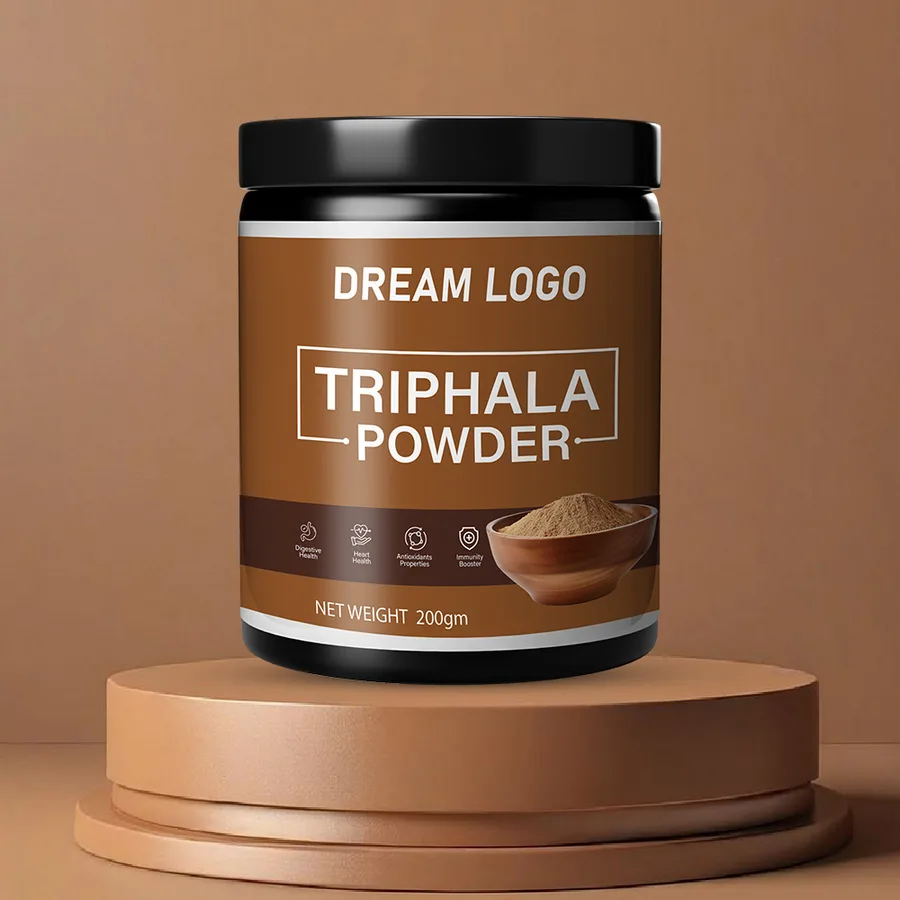
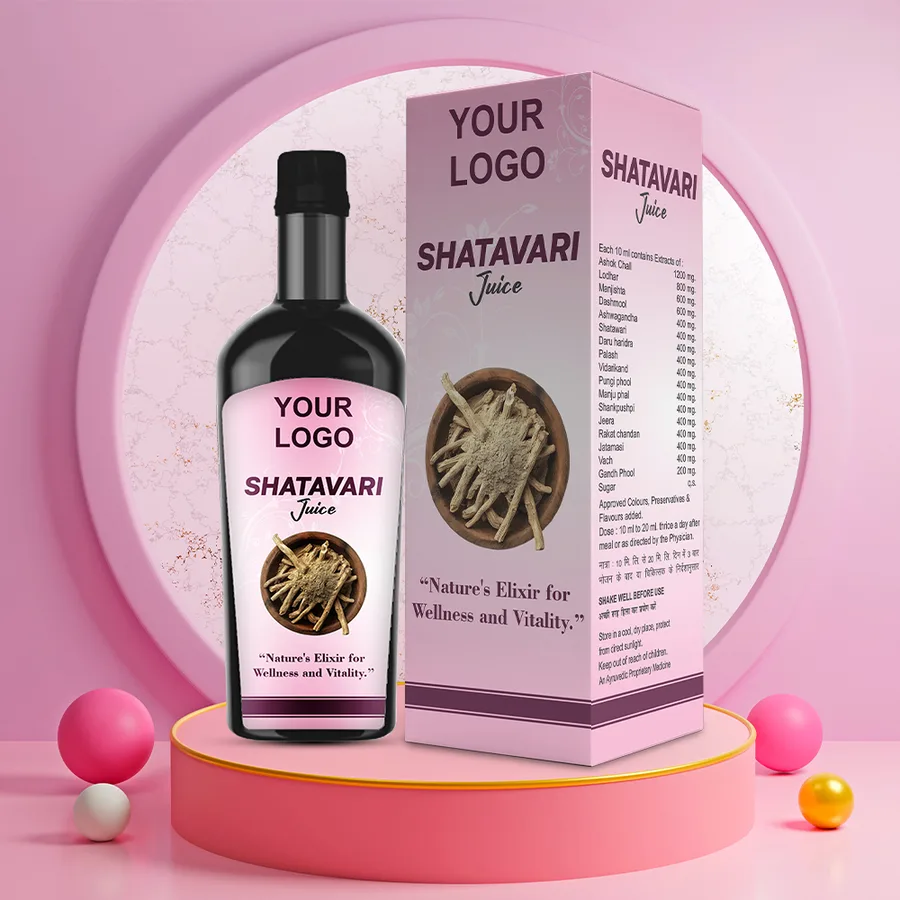
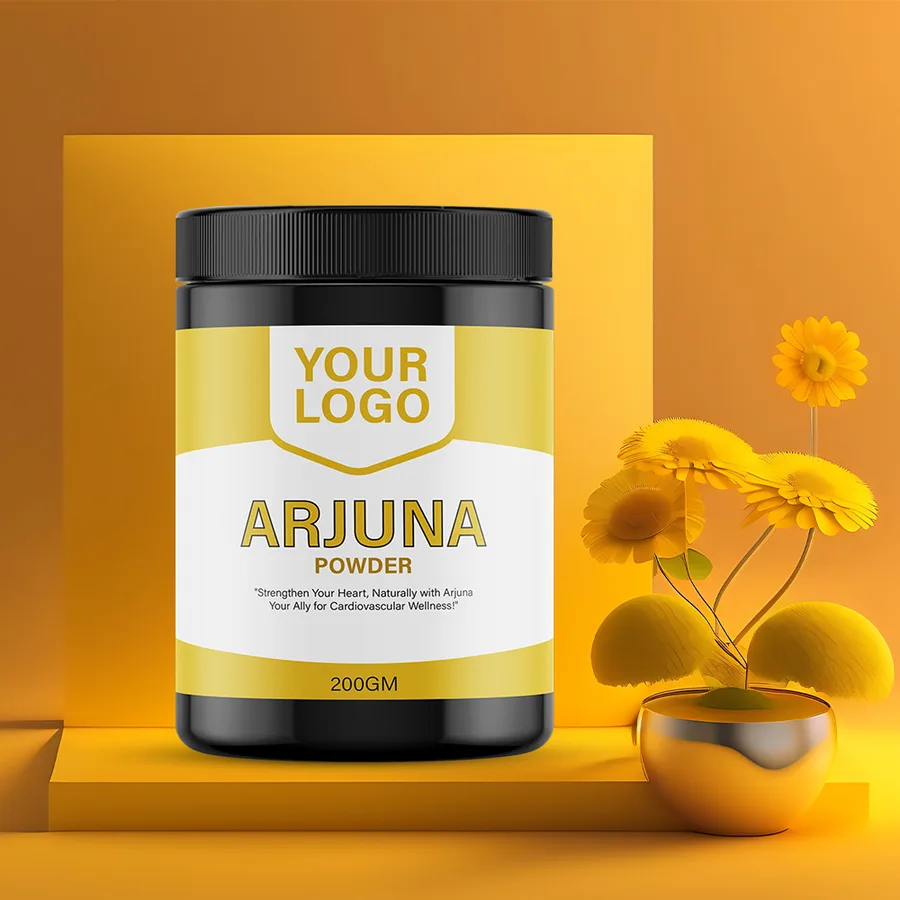
Ingredient details: triphala, shatavari, arjuna. Examples: Triphala Churna, Shatavari Juice, Arjuna Capsule. Related reading: चूर्ण, क्वाथ, वटी, अरिष्ट, the three doshas without the mysticism, शतावरी कैसे और कब लें, and अर्जुन चूर्ण, जूस या कैप्सूल.
Get our product list and minimum orders
Leave your email and we will send the formats we make, the minimum order for each and typical lead times. We use it only to reply to you.
Manufacturing in this category?
We make products in this category for other people's brands. Tell us the format and volume and we will send a specification and a per-unit cost.
Request a quotation ↗NutraHerbal manufactures food supplements, Ayurvedic proprietary medicines and cosmetics for business customers. Product information on this site describes composition, format and commercial positioning for brand owners. It is not medical advice, does not claim to diagnose, treat, cure or prevent any disease, and is not a substitute for consulting a qualified practitioner. Final label claims are the brand owner's responsibility and must be approved for the destination market.
How we write and review content: editorial policy.