Reviewed for accuracy and claims compliance: Claims compliance review
“Rasayana” appears on a great many Indian supplement labels, usually translated as “rejuvenator” and left there. That translation is not wrong, exactly, but it flattens a concept that is more specific and more commercially useful than it looks.
If you formulate, sell or buy Ayurvedic products, the idea is worth understanding properly, partly because it maps surprisingly well onto how the better evidence in this field is actually structured.
The literal meaning
Rasayana breaks into rasa and ayana.
Rasa has several layers of meaning, the first of the bodily tissues in Ayurvedic physiology, roughly the nutritive essence derived from digested food; also taste; also, more loosely, essence or sap.
Ayana means path, or that which moves or carries.
So rasayana is, approximately, “that which supports the path of nourishment.” Not stimulation, not treatment of a complaint, the quality of nourishment carried through the system over time.
What the classical category actually covers
In the classical literature, rasayana is one of the eight branches of Ayurveda, and it concerns maintaining health rather than treating disease. Its stated aims include longevity, strength, mental clarity, resistance to illness and quality of tissue.
Three features distinguish rasayana from the rest of the system, and all three matter practically.
It is preventive, not curative. Rasayana belongs to the healthy or convalescing person. It is not the category you reach for with an acute complaint.
It is taken over time. This is the defining characteristic. Rasayana is assessed over weeks and months, not hours or days. A substance that works immediately is, by this definition, doing something else.
Preparation and conduct matter. The classical texts treat rasayana as a regimen rather than a pill, diet, routine and conduct alongside the substance. This is frequently dropped in modern marketing, which is a loss, because it is the part that makes the framework coherent.
The commonly named rasayana substances
Several of the ingredients that anchor the modern Indian supplement market sit in this category:
- Amla (amalaki), among the most cited, and the core of chyawanprash
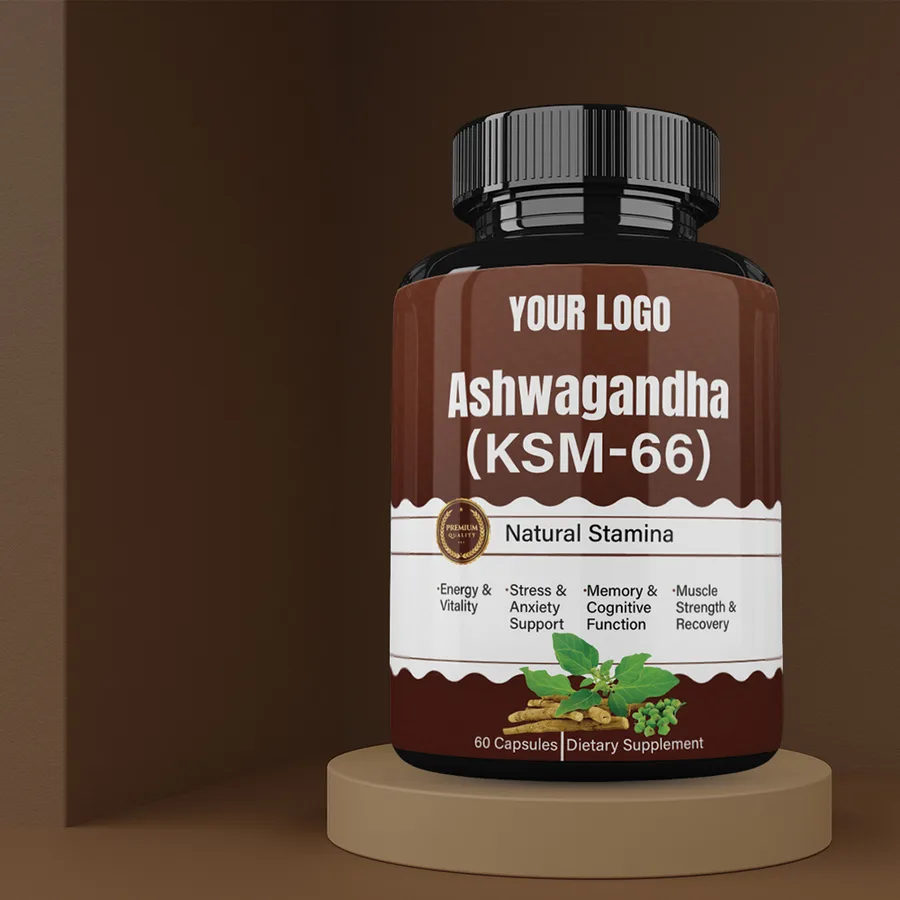
- Ashwagandha, also classed as balya, relating to strength
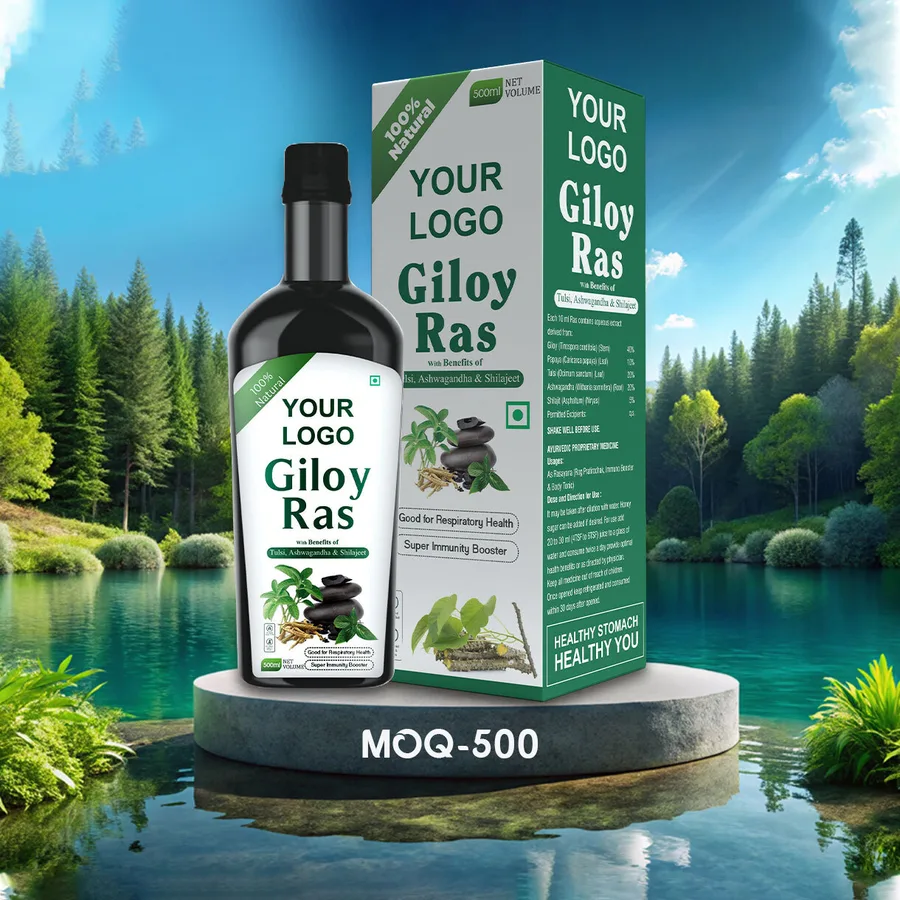
- Guduchi (giloy), called amrita, the nectar of immortality
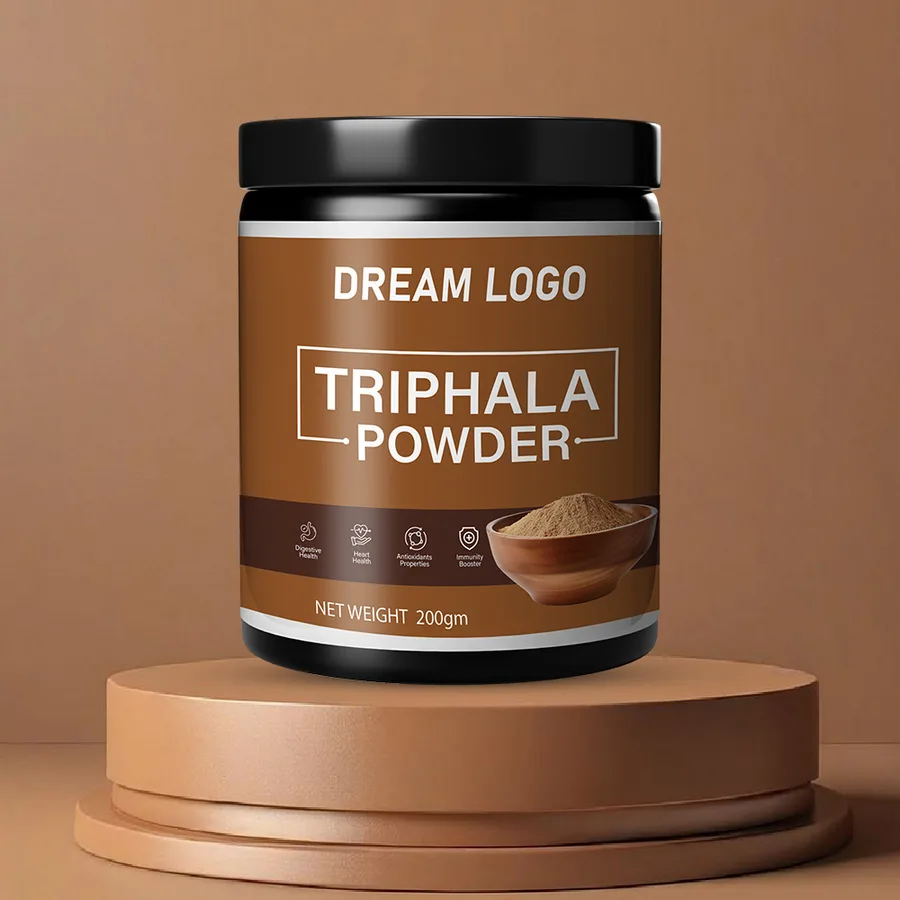
- Haritaki, and triphala as a whole
- Shilajit
- Brahmi, shankhpushpi and mandukaparni, a sub-category called medhya rasayana, concerning the intellect
- Chyawanprash, the best-known compound rasayana preparation
That overlap is not coincidental. The ingredients with the longest record of daily, long-term use are the ones that ended up as the backbone of the daily-wellness category.
Why this is more than terminology
Here is the genuinely interesting part.
The rasayana framing, taken daily, over months, by a person who is not ill, assessed on general function rather than on a specific symptom, happens to describe fairly accurately how the better modern trials on these herbs are designed.
Ashwagandha research runs over eight to twelve weeks, in generally healthy or mildly stressed people, measuring stress, sleep and recovery rather than treating a diagnosis. Brahmi research looks at cognitive measures over similar periods. Neither is structured as a treatment study, and neither should be.
So the classical category and the modern evidence are, unusually, pointing at the same kind of claim. That is worth noticing in a field where tradition and research often talk past each other.
What it means for expectations
Three practical consequences if you take these products.
Give it weeks. A rasayana evaluated after five days has not been evaluated. The single most common reason people conclude these herbs do nothing is that they stopped before the timeframe the herb is described in.
Do not expect a symptom to resolve. If you have a specific complaint, this is the wrong category. Rasayana is about general function over time.
The regimen matters. The classical model places diet, sleep and routine alongside the substance. A rasayana taken while sleeping five hours is being asked to do something it was never described as doing.
What it means on a label, and the limit
For brand owners, this is where care is needed.
Rasayana is a traditional classification, not a claim. Stating that an ingredient is classed as a rasayana in Ayurveda is a statement about classical categorisation and is defensible. It does not license a health claim.
So:
Available: “Classified as a rasayana in Ayurveda.” “Traditionally used as a daily rejuvenative.” Composition and traditional use.
Not available: anything implying the product treats, cures or prevents disease; longevity claims; immunity claims framed as disease prevention.
The word carries weight with Indian customers precisely because it signals something traditional and long-established. That is legitimate positioning. Stretching it into “boosts immunity” or “prevents disease” is not, and it is the point at which a reasonable label becomes a non-compliant one.
The “amrita” problem
Worth flagging specifically.
Giloy is called amrita, nectar of immortality, in the classical texts. It is an evocative name and it gets used in marketing.
It is a traditional name, not a description of effect, and treating it as the latter is how labels end up making claims they cannot defend. The same applies to gudmar, whose name translates as “sugar destroyer.” Traditional names are poetic. They are not pharmacology, and a regulator will not read them as metaphor if the surrounding copy suggests otherwise.
Where it does not reach
An honest limit.
A traditional classification is not clinical evidence. Rasayana status tells you an ingredient has a long record of long-term use in a system that thought carefully about such things. It does not tell you what a trial would find.
For most of these ingredients the modern evidence is thin, shilajit and safed musli notably so. Ashwagandha and brahmi are the exceptions with reasonable research behind them, and even there the trials are small.
Both things can be true: a genuine, considered traditional category, and limited modern evidence. Pretending the first implies the second is where this field most often goes wrong.
The short version
Rasayana means roughly “that which supports the path of nourishment”, a preventive category, taken over months, by people who are not ill, concerning general function rather than a specific complaint. Amla, ashwagandha, giloy, triphala and shilajit all sit in it.
The framing is useful because it sets the right expectation: weeks, not days, and general rather than specific. On a label it is a traditional classification you can state, not a health claim you can make.
More terms in the glossary. Ingredient detail: ashwagandha, amla, giloy.
Get our product list and minimum orders
Leave your email and we will send the formats we make, the minimum order for each and typical lead times. We use it only to reply to you.
Manufacturing in this category?
We make products in this category for other people's brands. Tell us the format and volume and we will send a specification and a per-unit cost.
Request a quotation ↗NutraHerbal manufactures food supplements, Ayurvedic proprietary medicines and cosmetics for business customers. Product information on this site describes composition, format and commercial positioning for brand owners. It is not medical advice, does not claim to diagnose, treat, cure or prevent any disease, and is not a substitute for consulting a qualified practitioner. Final label claims are the brand owner's responsibility and must be approved for the destination market.
How we write and review content: editorial policy.