Reviewed for accuracy and claims compliance: Claims compliance review
These three turn up in almost every Indian memory supplement, usually together and usually without distinction. They have quite different evidence profiles, and the differences are the useful part.
One has a reasonable body of human trials. One has almost none. And one has been tested in large, well-funded trials that came back negative, which is rarer in this field than you might think, and more informative than a dozen small positive ones.
We manufacture in this category. That is the reason to lay it out properly.
This is information, not medical advice. Memory loss that affects daily function needs assessment, not a supplement. Several causes are reversible and finding them matters.
Brahmi, and the naming problem first
Before anything else: “brahmi” refers to two different plants in Indian usage, and this causes real confusion on labels.
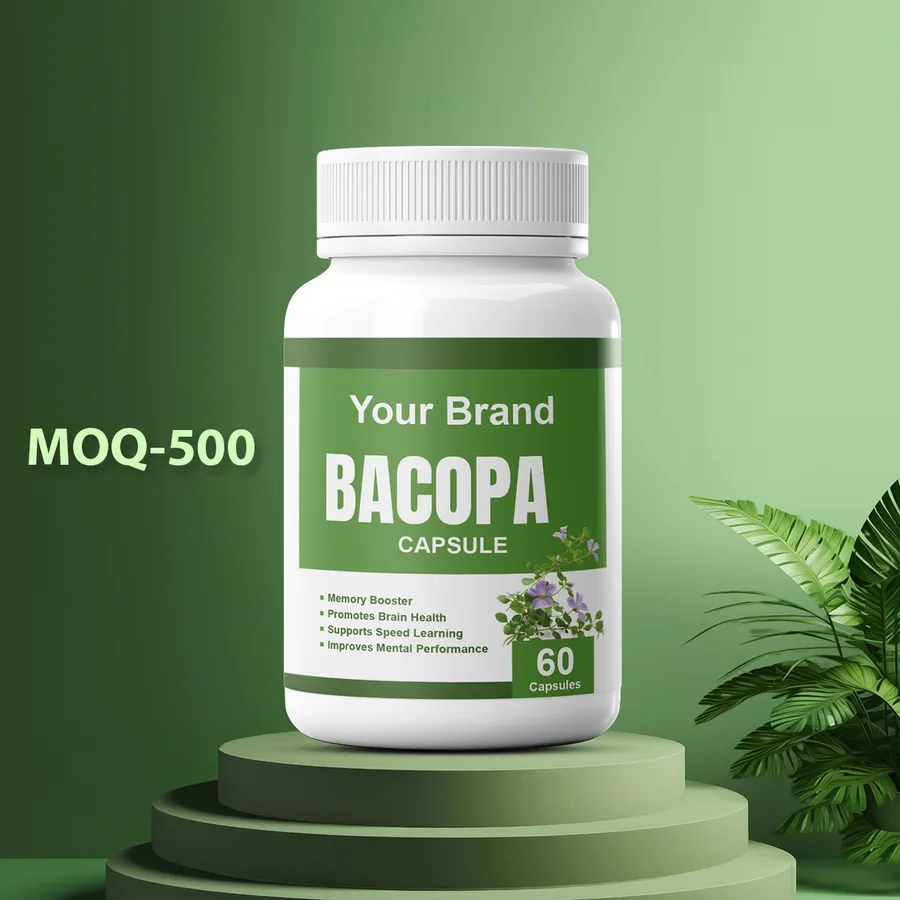
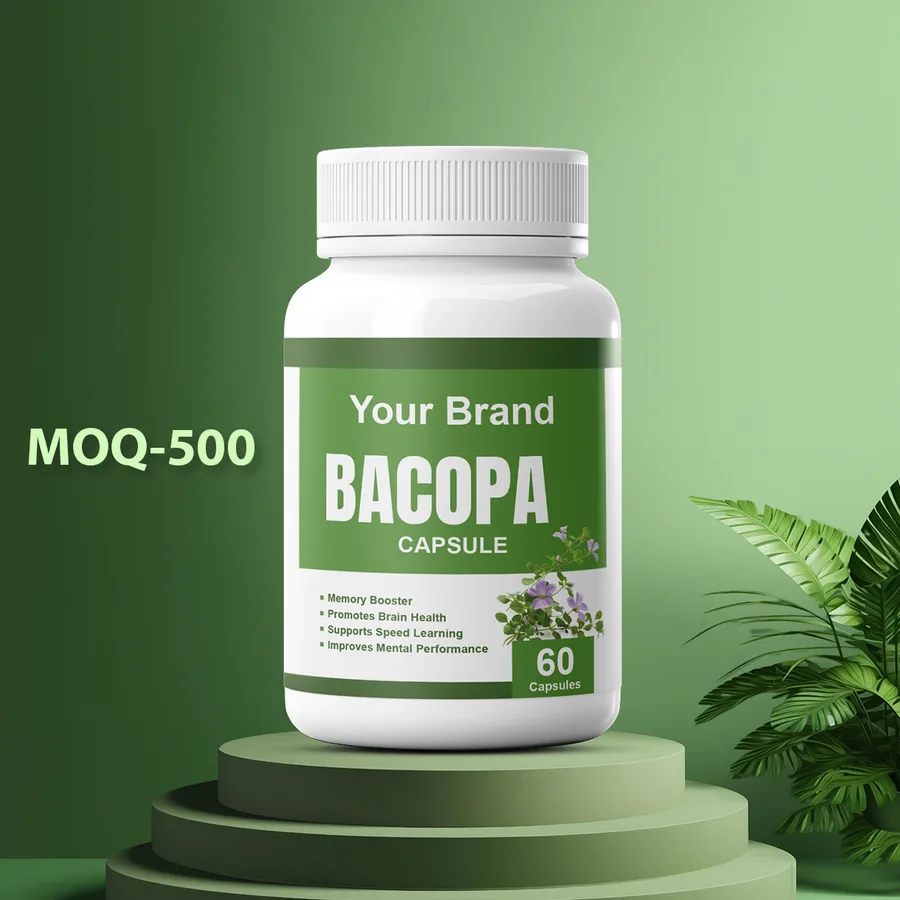
Bacopa monnieri, brahmi in most classical and north Indian usage. A small creeping marsh plant. This is the one with the trial evidence.
Centella asiatica, also called brahmi in parts of south and west India, and known elsewhere as mandukaparni or gotu kola. A different plant with a different chemistry, more studied for venous and wound-healing effects than for memory.
So “brahmi” on a label tells you less than it appears to. Look for the botanical name, and if it is absent, that itself is information about the manufacturer.
Bacopa monnieri, what the evidence says
Classically medhya rasayana, a rejuvenative for the intellect, and it is the principal classical nootropic.
Active compounds: bacosides (bacoside A and B), triterpenoid saponins. Standardised extracts are usually expressed as bacoside content, commonly 20% to 55%.
Proposed mechanisms: antioxidant activity in brain tissue; cholinergic effects (acetylcholine is the neurotransmitter targeted by the main dementia drugs); dendritic growth in animal work; and effects on amyloid in animal models.
The human evidence, and this is the strongest in the article:
There are multiple randomised, placebo-controlled trials in healthy adults, and pooled analyses have reported improvements in some measures of memory, particularly delayed word recall, and in information-processing speed.
And the important qualifiers:
The effect sizes are small. This is not a transformative change.
The benefit appears mainly on memory acquisition and recall measures, not across cognition generally.
It takes time. Trials generally run 8 to 12 weeks, and shorter trials have tended to find nothing. This matters practically: a two-week trial of bacopa tells you nothing.
The populations are mostly healthy adults and older adults without dementia. Evidence in actual dementia is weak.
And many trials are small, with varying extracts and doses.
Honest summary: bacopa has the best human evidence of the three, the effect is small but repeatedly observed, and it needs 8–12 weeks. That is a defensible position and it is a long way from the marketing.
Safety
Gastrointestinal upset is common, nausea, cramping, loose stools, especially on an empty stomach. Take it with food.
Sedation and fatigue in some people.
Thyroid, animal work suggests bacopa may increase thyroid hormone levels. Caution on thyroid medication.
Bradycardia, may slow heart rate; caution with rate-lowering drugs.
It has cholinergic activity, so theoretically it interacts with anticholinergic and cholinergic medicines.
Avoid in pregnancy and lactation for want of data.
And it may increase secretions, relevant in asthma or COPD, where this has been flagged.
Shankhpushpi, and the honest answer is that we do not know
Convolvulus pluricaulis is the usual botanical attribution, and here too there is a naming problem. Several plants are sold as shankhpushpi across regions, including Clitoria ternatea (butterfly pea) and Evolvulus alsinoides. They are not the same plant and not the same chemistry.
Classical standing is strong: medhya, intellect-promoting, and it appears in classical formulations for memory, epilepsy, anxiety and insomnia, often alongside brahmi.
The modern evidence: animal and laboratory studies reporting anxiolytic, anticonvulsant, antioxidant and nootropic effects.
Human trials: very few, small, and mostly of multi-ingredient formulations. There is no body of human evidence here worth citing as support for a claim.
Our honest position: long classical use, genuine preliminary pharmacology, and a near-absence of human data. It is reasonable as a traditional ingredient. It is not evidence-based.
And the specific commercial problem: because the botanical identity varies by region and supplier, two shankhpushpi products may contain different plants. Identity testing is not optional here, and we would want to see the botanical name and an identity certificate.
Safety: generally considered well tolerated in traditional use; may lower thyroid hormone levels in animal work (note this is the opposite direction from bacopa, which is interesting and under-studied); sedative effects may add to other sedatives; avoid in pregnancy.
Ginkgo biloba, the one with large negative trials
This is the most instructive of the three, and it is the opposite story from most of this industry.
Ginkgo has been studied more than almost any other botanical, including in large, long, independently funded randomised trials. That is unusual, and it means we actually know something.
Active compounds: flavone glycosides and terpene lactones (ginkgolides, bilobalide). Standardised extracts, EGb 761 is the best-characterised, are specified as 24% flavone glycosides and 6% terpene lactones. Those percentages are not decoration; they define the material the trials used.
Proposed mechanisms: improved microcirculation, antiplatelet activity, antioxidant effects, and effects on neurotransmission.
What the large trials found
For preventing dementia or cognitive decline in older adults: large randomised trials were negative.
The GEM (Ginkgo Evaluation of Memory) study followed several thousand older adults for years and found no reduction in the incidence of dementia or Alzheimer’s disease. The GuidAge trial in France similarly found no benefit for preventing Alzheimer’s progression over its primary endpoint.
These are the kind of trials that settle questions, and the answer was no.
For treating existing dementia: results are mixed, with some trials of standardised extract reporting modest benefits on cognitive and functional scales, and pooled analyses generally describing the evidence as inconsistent. Some European guidance has given it a limited place; others have not.
For memory in healthy adults: largely negative. Trials in healthy people have mostly failed to show meaningful improvement.
For tinnitus and peripheral arterial claudication, where it is also used, the evidence is similarly unimpressive.
Honest summary: ginkgo is the best-studied of the three and the results are mostly disappointing. A well-conducted negative trial is more informative than ten small positive ones, and ginkgo has several.
Safety, and this is the most important paragraph here
Ginkgo has antiplatelet activity, and bleeding is a real and documented concern.
Case reports include spontaneous bleeding, including intracranial haemorrhage, and the risk is increased with warfarin, DOACs, clopidogrel, aspirin and NSAIDs.
Stop it well before surgery or dental procedures, commonly advised one to two weeks ahead, and tell your surgeon and anaesthetist.
It lowers the seizure threshold and should be avoided in epilepsy. And ginkgo seeds are genuinely toxic, the standardised leaf extract is what is used.
It interacts with several drugs through effects on drug metabolism, and it may affect blood glucose.
And this matters because of who takes it: older adults, often on anticoagulants or antiplatelets, often facing surgery. That is precisely the population in which the bleeding risk bites, and almost no Indian pack carries the warning.
Side by side
| Bacopa monnieri | Shankhpushpi | Ginkgo biloba | |
|---|---|---|---|
| Classical standing | Medhya rasayana, the principal one | Medhya, strong | Not in the Ayurvedic materia medica |
| Human trial evidence | Best of the three, multiple RCTs, small effects on memory recall | Very little | Most studied, and largely negative |
| Works in | Healthy and older adults, 8–12 weeks | Unknown | Not shown for prevention or healthy memory |
| Standardisation | Bacosides, 20–55% | Often none; identity varies | 24% flavone glycosides, 6% terpene lactones |
| Main safety issue | GI upset; thyroid; slows heart rate | Sedation; thyroid (opposite direction) | Bleeding risk; seizure threshold |
| Before surgery | Mention it | Mention it | Stop 1–2 weeks ahead |
| Pregnancy | Avoid | Avoid | Avoid |
| Authorised function claim | None | None | None |
That last row applies to all three. No botanical here carries an authorised health claim, which means a label may declare the ingredient and its quantity but may not state what it does, beyond a clearly framed traditional-use statement.
The others in this space
Jatamansi (Nardostachys jatamansi), classically for sleep and the mind. And a conservation issue: it is a Himalayan species under harvesting pressure, so sourcing matters.
Ashwagandha, more study than the others in this article, and mostly on stress, anxiety and sleep rather than memory. For someone whose “memory problem” is really a sleep and stress problem, this is arguably the more relevant ingredient, which is often the case. Thyroid, autoimmune and pregnancy cautions apply, and liver injury cases have been reported.
Mandukaparni / gotu kola, see the naming problem above.
Vacha (Acorus calamus), classically medhya, and we will not formulate with it: it contains β-asarone, which is genotoxic and carcinogenic in animal studies, and it is restricted as a food ingredient in several jurisdictions. It appears in traditional memory formulations and we think it should not.
Shilajit, guduchi, yashtimadhu, traditional, and mulethi’s blood pressure caution applies as always.
What actually affects memory and focus
This is the context the comparison needs, because the honest ranking puts all three low.
Sleep. Memory consolidation happens during sleep, this is established, not soft. And untreated sleep apnoea is the most commonly missed cause of cognitive complaints, with snoring and daytime sleepiness as the clue.
Treating the reversible causes. And this is the part that matters most:
| Check | Why |
|---|---|
| Vitamin B12 | Deficiency causes memory and cognitive symptoms, and nerve damage can become permanent. Common on Indian vegetarian diets |
| TSH (thyroid) | Both directions affect cognition |
| Haemoglobin and ferritin | Poor concentration is a recognised symptom |
| Vitamin D | Commonly low |
| Blood glucose / HbA1c | |
| Depression | Presents as poor memory and concentration, and is treatable |
| Medicines | Anticholinergics, sedatives, some antihistamines and bladder drugs genuinely impair cognition, and in older adults this is a frequent and reversible cause |
| Alcohol | |
| Sleep apnoea screening | The biggest missed cause |
Exercise. Regular aerobic exercise has the most consistent evidence of anything in this article for cognitive function in older adults.
Hearing. Untreated hearing loss is associated with cognitive decline, and hearing aids are an intervention with better support than any supplement here.
Blood pressure control in midlife, education and mental engagement, social contact, and not smoking.
And for students specifically: spaced retrieval practice beats re-reading, a learning-method effect far larger than any pill.
Claims, what we print and refuse
What is sayable: vitamin B12, folate, B6, B1, B2, B3, biotin, vitamin C, magnesium, iron, iodine and zinc each contribute to normal psychological function and/or normal functioning of the nervous system, with specific wordings per nutrient; iron and iodine contribute to normal cognitive function; DHA contributes to the maintenance of normal brain function where the product meets the required intake conditions; and traditional-use statements for brahmi, shankhpushpi and jatamansi.
What is not sayable: improves memory, increases concentration, treats dementia or Alzheimer’s, prevents cognitive decline, or increases IQ.
And what we refuse outright: any product marketed for children’s academic performance or intelligence, this is widely sold in India and there is nothing behind it; any dementia claim; and vacha-containing formulations.
And what we require on artwork: for ginkgo, a bleeding-risk and pre-surgery warning, and a statement to tell your doctor. Almost no Indian ginkgo product carries it, and in this population it is the most important line on the pack.
The honest ranking
If someone asked what to do about memory or focus:
1. Sleep, and get screened for apnoea if you snore. 2. Get the reversible causes excluded, B12, thyroid, ferritin, vitamin D, depression, and a medication review. 3. Exercise regularly, and get your hearing checked if it is going. 4. Control blood pressure and glucose; stop smoking; limit alcohol. 5. For students: change the study method, not the supplement. 6. And then, if you want, bacopa, standardised, with food, for 8–12 weeks, knowing the effect is small.
Ginkgo we would not recommend for memory, given the negative trials and the bleeding risk. Shankhpushpi is a reasonable traditional ingredient with no human evidence, and we will say so.
Our product sits at number six, and only one of its botanicals has trials behind it.
When to see a doctor
Urgently:
- Sudden confusion, or sudden difficulty speaking or understanding, stroke
- Memory loss with headache, vomiting or weakness
- A fall with head injury followed by confusion
- Confusion with fever
- Any new bleeding on ginkgo, bruising, nosebleeds, blood in urine or stool, or a severe headache
Soon:
- Memory problems affecting work, finances, medicines or getting lost, this needs assessment
- Family noticing change that the person does not
- Snoring with daytime sleepiness, apnoea
- Low mood for more than two weeks, depression presents as poor memory
- Tingling in hands or feet with memory symptoms, B12
- Before bacopa if you take thyroid medication or heart-rate-lowering drugs
- Before ginkgo if you take any blood thinner, have epilepsy, or have surgery planned
- A medication review, particularly over 65 and on several medicines
The short version
- “Brahmi” names two different plants. Look for the botanical name on the label.
- Bacopa monnieri has the best human evidence of the three, multiple RCTs, small effects on memory recall.
- It needs 8–12 weeks. Shorter trials found nothing, so a two-week trial tells you nothing.
- Bacopa causes GI upset, take it with food, and may affect thyroid and slow heart rate.
- Shankhpushpi has almost no human evidence, and several different plants are sold under the name.
- Identity testing matters most for shankhpushpi, because of that.
- Ginkgo is the most studied and the results are largely negative.
- Large trials found no reduction in dementia incidence.
- Negative evidence in healthy adults too.
- A good negative trial is more informative than ten small positive ones.
- Ginkgo’s bleeding risk is real and documented, including intracranial haemorrhage case reports.
- Stop ginkgo 1–2 weeks before surgery or dental work, and tell the surgeon.
- Avoid ginkgo in epilepsy. Ginkgo seeds are toxic; the leaf extract is what is used.
- EGb 761’s 24%/6% standardisation defines the trial material, unstandardised extract is not the same.
- None of the three has an authorised health claim. You may declare them; you may not say what they do.
- We will not formulate with vacha, β-asarone is genotoxic in animal studies.
- Ashwagandha may be the more relevant ingredient when the real problem is sleep and stress.
- Sleep is where memory consolidation happens, and apnoea is the most missed cause.
- Check B12, thyroid, ferritin, vitamin D, and screen for depression.
- Review the medicines, anticholinergics and sedatives genuinely impair cognition.
- Exercise has the most consistent cognitive evidence here.
- Untreated hearing loss is associated with cognitive decline, a better intervention than any supplement.
- For students, spaced retrieval beats re-reading, a bigger effect than any pill.
- We will not make products for children’s academic performance.
Composition detail: Migro 360, brahmi capsule and ginkgo brain drops. Related: याददाश्त बढ़ाने के उपाय, screen fatigue and brain fog, and polypharmacy, why interactions matter more with age.
Get our product list and minimum orders
Leave your email and we will send the formats we make, the minimum order for each and typical lead times. We use it only to reply to you.
Manufacturing in this category?
We make products in this category for other people's brands. Tell us the format and volume and we will send a specification and a per-unit cost.
Request a quotation ↗NutraHerbal manufactures food supplements, Ayurvedic proprietary medicines and cosmetics for business customers. Product information on this site describes composition, format and commercial positioning for brand owners. It is not medical advice, does not claim to diagnose, treat, cure or prevent any disease, and is not a substitute for consulting a qualified practitioner. Final label claims are the brand owner's responsibility and must be approved for the destination market.
How we write and review content: editorial policy.