Reviewed for accuracy and claims compliance: Claims compliance review
“Immunity booster” became one of the most used phrases in Indian wellness after 2020, and it is a phrase that obscures more than it explains.
We manufacture products in this category. We would still rather set the expectation accurately, because the gap between what the phrase implies and what these products do is where customer disappointment, and eventually regulatory trouble, comes from.
This is information, not medical advice. Nothing in this article or in any supplement prevents or treats infectious disease. Vaccination and medical care are separate matters and this is not a substitute for either.
Why “boosting” is the wrong idea
The immune system is not a dial that runs from low to high, where more is better.
It is a regulated network of cells and signalling that needs to respond proportionately: strongly to a genuine threat, and not at all to things that are harmless. Conditions in which the immune system is more active than it should be, autoimmune disease, allergy, chronic inflammation, are not states of superior immunity. They are states of dysregulation.
So “boosting” is not a coherent goal. What you actually want is an immune system that is adequately resourced and functioning normally, which is a less marketable sentence and a more accurate one.
That matters practically, because it changes what is worth buying. You cannot push a normal immune system above normal. You can stop it being under-resourced.
What genuinely impairs immune function
Useful because these are mostly fixable.
Nutrient deficiencies. Several micronutrients have established roles in immune function. If you are short of one, correcting it helps. If you are not, adding more does not.
Poor sleep. Consistent short sleep measurably affects immune response. This is one of the better-established findings in the whole area and the least commercially interesting.
Chronic stress. Sustained stress affects immune signalling.
Smoking. Impairs respiratory defences directly.
Excess alcohol.
Uncontrolled diabetes. A genuine and common factor in India, and one that supplements do not address.
Being significantly underweight or malnourished.
Notice the pattern: the list is mostly about resourcing and about removing burdens. That is the honest model.
The three that hold up
If you want to put money into something with reasonable evidence behind it, these are the three with the clearest roles.
Vitamin D. Has an established role in immune function and is widely deficient in India, despite the sunshine, because people do not get sun exposure on bare skin. This is the one most likely to be genuinely low in an Indian adult. Test, then correct to your doctor’s recommendation. Note that excess is also a problem, so this is not a case for taking a lot indefinitely.
Zinc. Recognised role in immune function. Deficiency is reasonably common, particularly in predominantly vegetarian diets. Modest doses are sensible; high doses over long periods interfere with copper absorption.
Vitamin C. The most famous and the most over-claimed. The evidence does not support it preventing colds in the general population. What some evidence does suggest is a modest reduction in duration. That is a small, real, honest benefit, not what the marketing implies.
Beyond these: adequate protein matters more than most people think, because antibodies are proteins. Indian vegetarian diets are frequently short.
Where the Indian herbs sit
Giloy, tulsi, amla and ashwagandha are the four that carry this category in India.
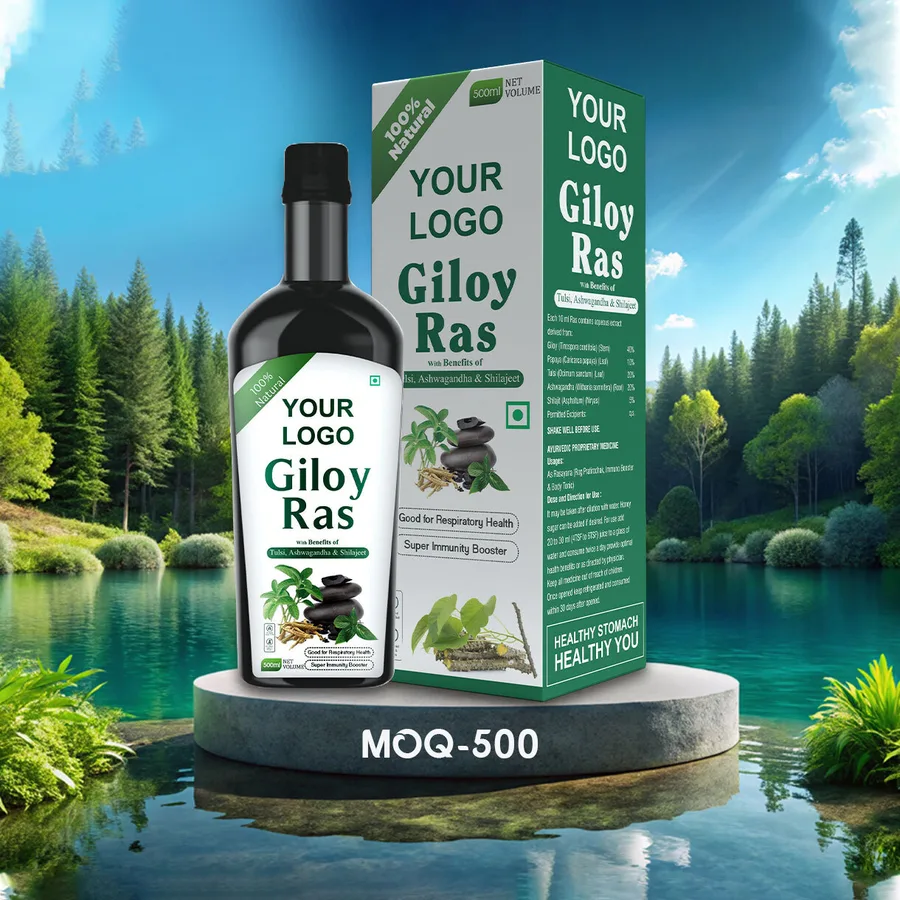
What is true: they have long traditional use, amla is a genuine source of vitamin C, and giloy in particular is classed as a leading rasayana in the classical texts. Public recognition of giloy and tulsi is enormous and culturally embedded.
What is not established: that any of them prevents infection or reduces how often you fall ill. The clinical evidence for that is thin. Traditional use is a real thing and it is not the same as demonstrated efficacy.
One caution worth repeating: case reports have raised liver-safety questions around giloy in specific circumstances. We advise a defined course rather than indefinite daily use, and we print that. We have written about it in detail.
What these products may and may not claim in India
This matters whether you are buying or selling.
Permitted: immune support in general wellness terms, the nutrient content of the product, the traditional use of the herbs included, and structure-function wording where a nutrient has established recognition, zinc contributing to normal immune function, for instance.
Not permitted: claims to prevent infection, to protect against any disease, to replace vaccination, or any promise about how often you will fall ill.
The last of those is where this category went badly wrong in 2020, and a lot of what was marketed then would not survive scrutiny now. We decline artwork that makes those claims.
What actually reduces how often you get ill
Unglamorous, and this is the honest list.
- Sleep seven hours. The most consistently supported item here.
- Vaccination, as advised for your age and situation. Nothing in a supplement substitutes.
- Hand hygiene, ordinary, boring, effective.
- Enough protein and a varied diet.
- Correct actual deficiencies, test rather than guess.
- Do not smoke.
- Manage blood sugar if that applies to you.
- Regular moderate activity. Note moderate, very heavy training without recovery works the other way.
A supplement sits at roughly position five, and only when something is genuinely low.
So what is a daily wellness product actually for?
A fair question given everything above, and we sell these.
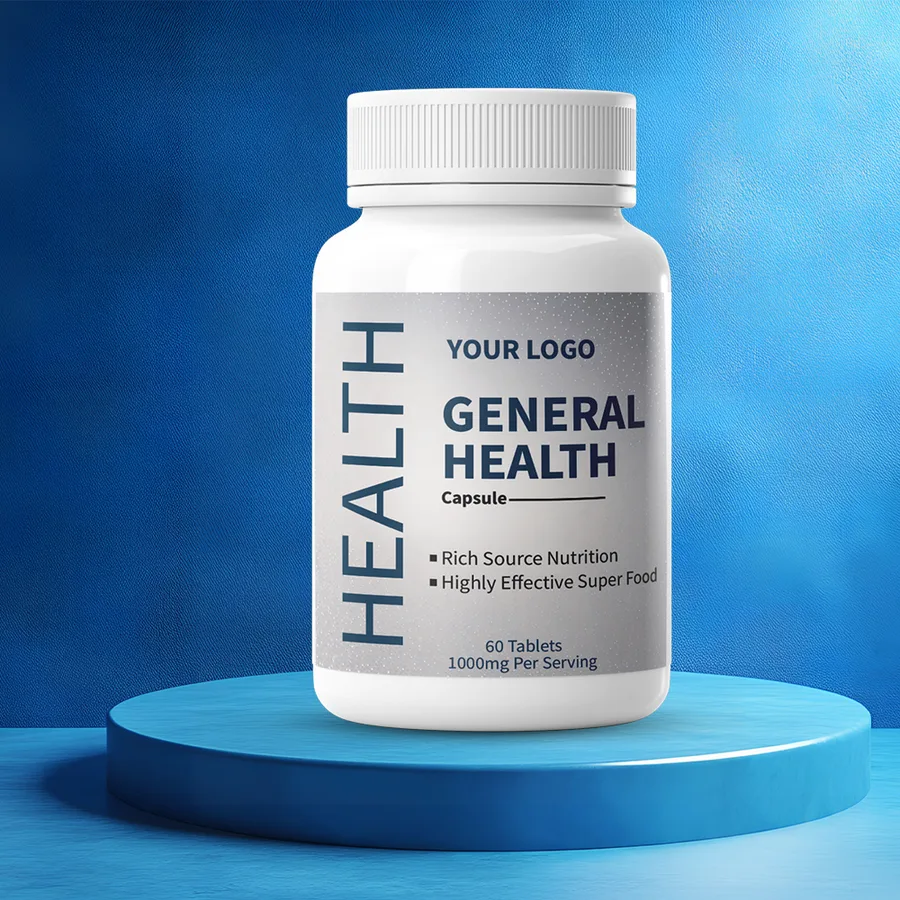
The honest answer: it is nutritional insurance. A daily product supplying vitamin D, zinc, B12 and a reasonable micronutrient spread covers the gaps in a diet that is not consistently varied. For a lot of Indian adults, particularly vegetarians, and particularly for D and B12, those gaps are real.
That is a legitimate product and a modest claim. It is not an immune shield, and selling it as one sets up a customer to be disappointed the next time they catch something.
If you are formulating in this category
- Lead with the nutrients that have defensible structure-function claims, zinc, vitamin D, vitamin C
- Use the herbs for recognition and traditional-use positioning, which is their genuine strength in India
- Print a defined course on giloy rather than open-ended use
- Do not build the brand on prevention claims; that position has already cost people their listings
- Expect the audience to be more sceptical than it was in 2020
The short version
Immunity is not a dial you turn up. What you can do is remove deficits, sleep, nutrients, smoking, blood sugar, rather than add capacity. Vitamin D, zinc and vitamin C are the three with the clearest roles, and vitamin C does less than its reputation. Indian herbs have real traditional standing and thin clinical evidence for preventing illness.
A daily supplement is nutritional insurance. That is worth buying for what it is.
Composition detail: Renewo 360. On label claims generally: supplement label compliance.
Get our product list and minimum orders
Leave your email and we will send the formats we make, the minimum order for each and typical lead times. We use it only to reply to you.
Manufacturing in this category?
We make products in this category for other people's brands. Tell us the format and volume and we will send a specification and a per-unit cost.
Request a quotation ↗NutraHerbal manufactures food supplements, Ayurvedic proprietary medicines and cosmetics for business customers. Product information on this site describes composition, format and commercial positioning for brand owners. It is not medical advice, does not claim to diagnose, treat, cure or prevent any disease, and is not a substitute for consulting a qualified practitioner. Final label claims are the brand owner's responsibility and must be approved for the destination market.
How we write and review content: editorial policy.