Reviewed for accuracy and claims compliance: Claims compliance review
For an Indian joint supplement, this question arrives early: most glucosamine on the world market is made from shellfish, and a large proportion of Indian customers will not take it.
The vegetarian version exists. Whether it is equivalent turns on one specific chemical difference, and it is worth understanding properly, including the part where the honest answer is “the evidence for either is mixed anyway”.
This is information, not medical advice. Shellfish allergy, diabetes, blood thinners, see the cautions below and ask your doctor.
Two sources
Shellfish-derived. Glucosamine is extracted from chitin in the shells of crab, shrimp and lobster. This is how most commercial glucosamine has always been made, and it is cheaper.
Vegetarian / fermented. Produced by microbial fermentation, typically of Aspergillus niger on corn. Chemically the same glucosamine molecule, from a non-animal source.
So the glucosamine itself is identical. That part is not in dispute, and it is worth stating clearly because the marketing sometimes implies otherwise.
The one difference that actually matters: the salt
Here is where it gets specific, and this is the real answer to the question.
Glucosamine is sold as a salt, and there are two:
Glucosamine sulphate, and this is the form used in most of the European trials, including the ones that produced the more positive results and that influenced European clinical practice.
Glucosamine hydrochloride (HCl), more glucosamine per gram, and the form used in several large trials that found no benefit over placebo, including the well-known American GAIT trial.
And the practical point: vegetarian fermented glucosamine has historically been produced predominantly as the hydrochloride, which is the form with the weaker evidence.
So the honest framing is not “animal versus vegetable”. It is “sulphate versus hydrochloride”, and the source has tended to correlate with the salt.
Vegetarian glucosamine sulphate does exist, and if you are specifying a vegetarian product and want to align with the better-supported evidence, that is the thing to ask your supplier for specifically. It costs more and most clients do not know to ask.
Does the sulphate versus HCl difference really matter?
Being honest, because this is contested.
The argument that it does: the positive European trials used sulphate; the sulphate ion itself has been proposed to matter for cartilage metabolism; and the prescription-grade “crystalline glucosamine sulphate” preparations studied in Europe are a specific, standardised material rather than generic glucosamine sulphate.
The argument that it does not: the differences between trials may reflect trial design, population, outcome measures and funding rather than the salt. Trials of sulphate with industry funding have tended to be more positive than independent ones, which is a pattern worth noticing.
The honest position: the salt distinction is real in the evidence base, and whether it is causal is not settled. If you are going to take glucosamine, sulphate is the form with more supportive data behind it, and that is a reason to prefer it, not a guarantee.
And the bigger point: the evidence for glucosamine generally is mixed
This is the context that most comparisons skip, and it changes how much the vegetarian question matters.
What the overall picture looks like:
Several large, well-conducted trials found no significant benefit over placebo for knee osteoarthritis pain, GAIT being the most cited.
Several European trials and meta-analyses report modest benefit, particularly with crystalline glucosamine sulphate.
Guidelines diverge. Some bodies recommend against routine use; others, particularly in Europe, include it. That divergence is itself informative, it tells you the evidence is not clear enough to compel agreement.
On structure modification, the claim that it slows cartilage loss, the evidence is weaker still and generally not considered established.
So the realistic expectation: possibly a modest symptomatic benefit in some people, possibly nothing. It is well tolerated, and it is not a treatment that reliably works.
Which means the vegetarian question, honestly, is a question about an ingredient whose overall value is uncertain. That is worth knowing before paying a premium for the vegetarian version.
Chondroitin, since it travels with it
Usually combined with glucosamine.
Chondroitin sulphate is derived from animal cartilage, bovine, porcine or shark, which creates its own problems for Indian products: vegetarian customers, and for many non-vegetarian Indian customers the bovine and porcine sources are both unacceptable.
Vegetarian chondroitin is harder to source than vegetarian glucosamine and is less common.
And the evidence for chondroitin is comparably mixed, with the combination not clearly better than either alone in the larger trials.
Practical consequence for an Indian formulation: chondroitin is often simply omitted, and the label should be clear about the source when it is included. “Chondroitin” with no source stated on an Indian product is something a customer is entitled to ask about.
Side by side
| Shellfish-derived | Vegetarian (fermented) | |
|---|---|---|
| Source | Crab, shrimp, lobster shells | Aspergillus niger on corn |
| The molecule | Identical | Identical |
| Usual salt | Often sulphate available | Historically mostly HCl |
| Evidence alignment | Sulphate matches the better trials | HCl matches the negative trials |
| Cost | Lower | Higher |
| Shellfish allergy | Caution | Not an issue |
| Vegetarian / Jain acceptable | No | Yes |
| Halal / Kosher | Depends | Easier |
| Market acceptability in India | Limited | Broad |
Shellfish allergy, the real picture
Worth getting right, because it is often overstated and occasionally understated.
Glucosamine is extracted from chitin in the shell, not from the flesh, and shellfish allergy is typically to proteins in the flesh (tropomyosin). So purified glucosamine should contain little or no allergenic protein, and studies have generally not found reactions in shellfish-allergic people.
But: purification is not perfect, residual protein is possible, and regulatory authorities in several countries require shellfish allergen labelling on these products for exactly that reason.
The sensible position: if you have a shellfish allergy, use the vegetarian version. The theoretical reassurance is not worth the risk, and the alternative exists.
For Indian formulators
Practical guidance, since this is a decision we are asked about regularly.
1. Vegetarian is usually the right default for India. The addressable market is much larger, and “vegetarian” on the label is a genuine selling point here rather than a niche claim.
2. If you use vegetarian, ask whether you can get the sulphate. Most clients do not ask. It costs more and it aligns your product with the better-supported evidence, which matters if your marketing references research at all.
3. State the source on the label. “Glucosamine sulphate (vegetarian, from fermentation)” is clear. “Glucosamine” alone leaves a customer unable to decide.
4. State the salt. Sulphate or hydrochloride, these are not interchangeable in the evidence base.
5. Check the elemental glucosamine content. Glucosamine sulphate potassium chloride, glucosamine sulphate sodium chloride and glucosamine HCl all deliver different amounts of actual glucosamine per gram. A “1500 mg” label can mean several different things, and this is the same arithmetic problem as with any salt.
6. Decide about chondroitin deliberately. If you include it, state the source.
7. Consider whether you need it at all. In an Indian formulation, shallaki (boswellia) has better and more consistent evidence than glucosamine, is domestically sourced, inexpensive, naturally vegetarian, and carries classical recognition that Indian customers respond to. Curcumin likewise has reasonable osteoarthritis evidence.
That is the genuinely useful formulation point in this article, and it is slightly awkward: the imported ingredient that defines this category globally is not the one with the best case in India.
Who should be careful
- Shellfish allergy, use the vegetarian version
- Diabetes, glucosamine has been examined for effects on glucose metabolism; findings are largely reassuring at usual doses, but monitor if you are diabetic
- Blood thinners, reports of interaction with warfarin, affecting INR. Tell your doctor
- Glaucoma, some reports of raised intraocular pressure; mention it if you have glaucoma
- Pregnancy and breastfeeding, not adequately studied
- Children, not recommended
- Asthma, isolated reports of worsening
What can and cannot be claimed
What is sayable: the presence and quantity of glucosamine, its salt and source; traditional use of the Ayurvedic herbs; support for joint comfort and mobility.
What is not: rebuilds cartilage, repairs joints, reverses osteoarthritis, prevents the need for joint replacement, treats arthritis. These are medicinal claims, and the cartilage-rebuilding one is the most common and least supportable in this category.
And the honest note we give clients: if your marketing cites glucosamine research, the form in your product should match the form in that research. Citing European sulphate trials on a hydrochloride product is the specific mismatch to avoid.
The short version
- The glucosamine molecule is identical from either source.
- The real distinction is the salt, not the source, sulphate matches the more positive European trials; hydrochloride matches the large negative ones.
- Vegetarian glucosamine has historically been mostly HCl, so ask your supplier for vegetarian sulphate if you want to align with the better evidence.
- Whether the salt difference is causal is not settled, and the positive sulphate trials skew industry-funded.
- The evidence for glucosamine overall is mixed, guidelines diverge, and cartilage-protection claims are not established. Expect modest or nothing.
- If you have a shellfish allergy, use the vegetarian version, even though purified glucosamine is probably low-risk.
- Chondroitin is bovine, porcine or shark, a real problem for Indian products. State the source or omit it.
- Check elemental glucosamine content. “1500 mg” of different salts means different amounts.
- For an Indian formulation, shallaki has better evidence than glucosamine, costs less, and is naturally vegetarian.
- Match your cited research to the form you actually use.
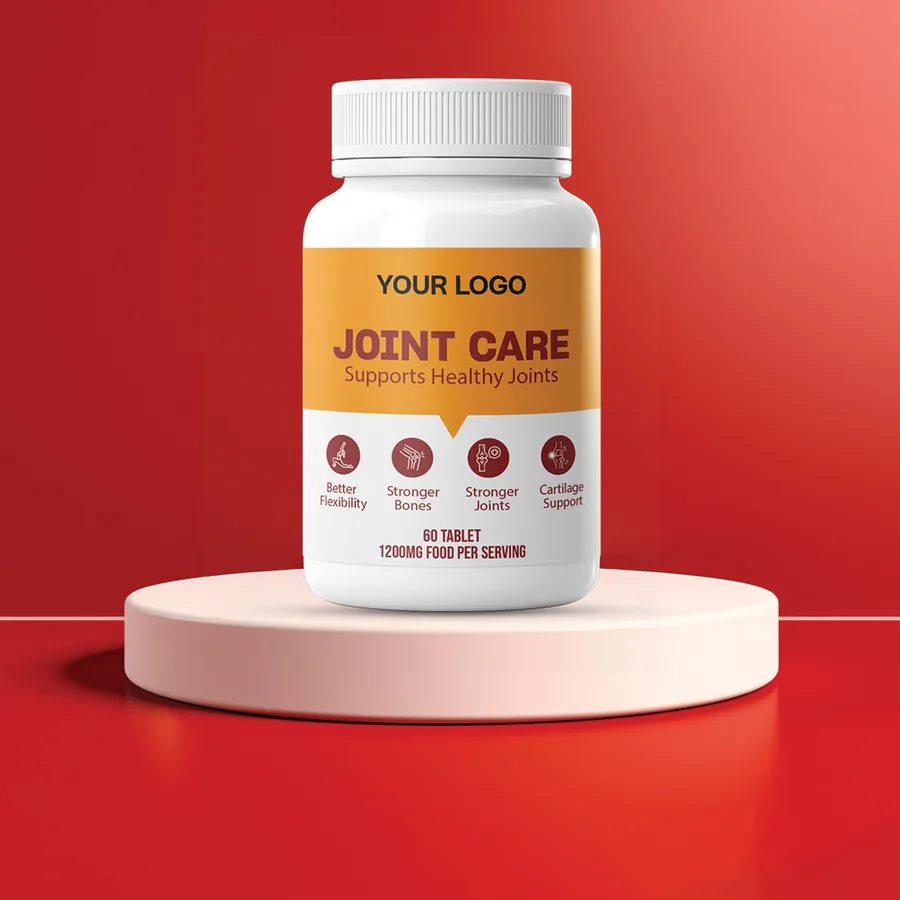
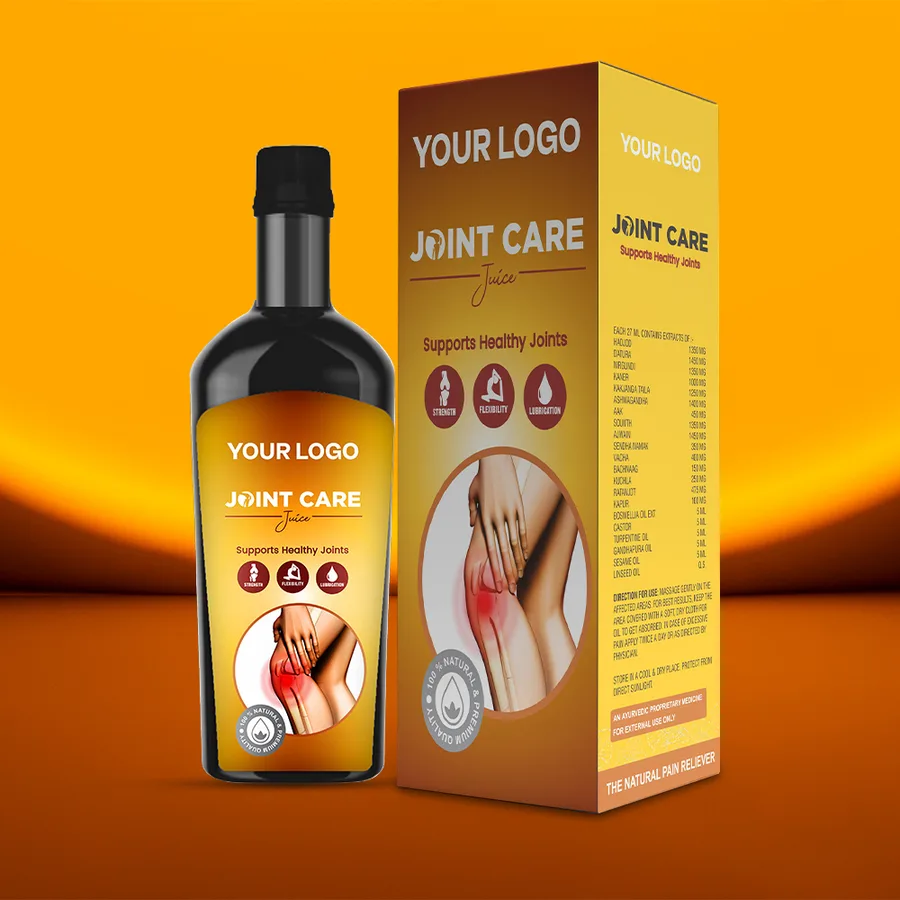
Product detail: Arthravo 360. Related: exercise that helps without making it worse and glucosamine, boswellia and curcumin compared.
Get our product list and minimum orders
Leave your email and we will send the formats we make, the minimum order for each and typical lead times. We use it only to reply to you.
Manufacturing in this category?
We make products in this category for other people's brands. Tell us the format and volume and we will send a specification and a per-unit cost.
Request a quotation ↗NutraHerbal manufactures food supplements, Ayurvedic proprietary medicines and cosmetics for business customers. Product information on this site describes composition, format and commercial positioning for brand owners. It is not medical advice, does not claim to diagnose, treat, cure or prevent any disease, and is not a substitute for consulting a qualified practitioner. Final label claims are the brand owner's responsibility and must be approved for the destination market.
How we write and review content: editorial policy.