Reviewed for accuracy and claims compliance: Commercial review
Brand owners usually pick a format on instinct, juices feel Ayurvedic, tablets feel serious, capsules feel modern. Then the commercial consequences arrive later.
Format decides your margin, your shipping cost, your minimum order, your shelf life and how often customers come back. Here is the comparison worth making before you commit.
The comparison
| Tablet | Capsule | Juice | Powder | Drops | Topical | |
|---|---|---|---|---|---|---|
| Our MOQ | 500 units | 500 units | 500 bottles | 500 units | 500 bottles | 500 units |
| Lead time | 12–20 days | 12–18 days | 10–18 days | 8–16 days | 10–18 days | 14–20 days |
| Shelf life | 24 months | 24 months | 15–18 months | 18–24 months | 24 months | 24 months |
| Shipping weight | Low | Low | High | Medium | Low | Medium |
| Margin | Best | Good | Moderate | Varies widely | Thin per unit | Cosmetic-level |
| Breakage risk | Low | Low | High | Low | Medium | Medium |
| Dose precision | High | High | Medium | Low | Medium | n/a |
| Can carry grams | No | No | Yes | Yes | No | n/a |
Read that table once and a lot of decisions make themselves.
Tablets, the default for a reason
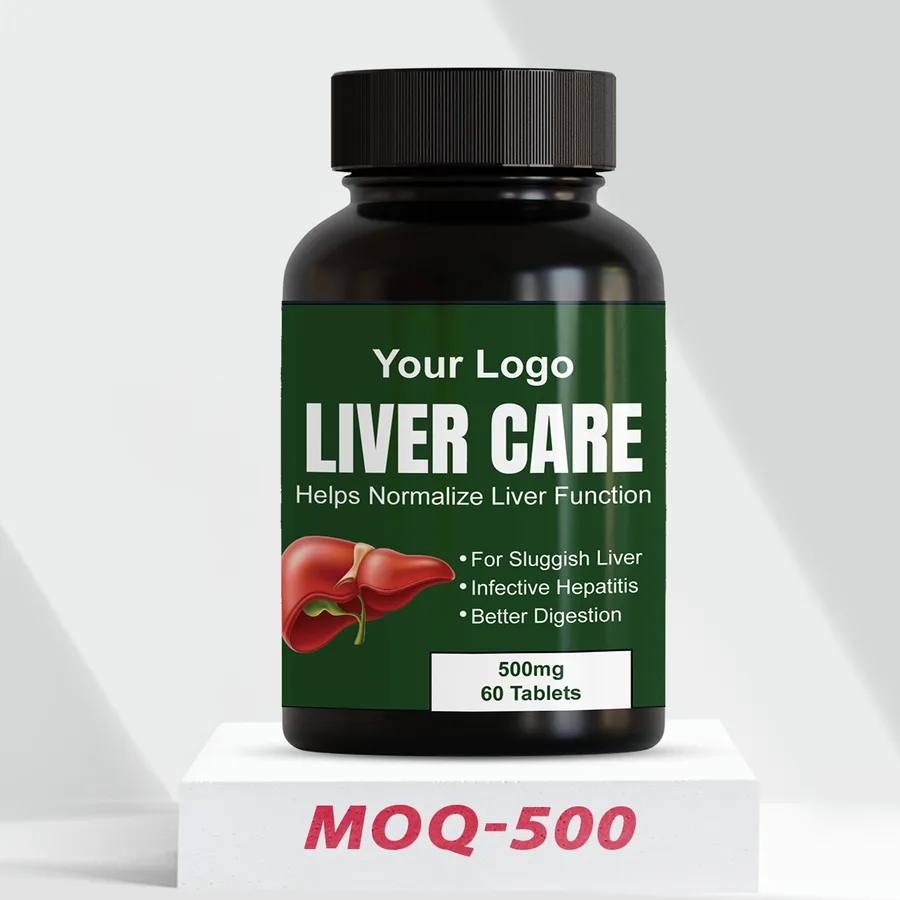
What they are good for: the highest margin per rupee of raw material, the lowest shipping weight, and the best survival in Indian transit. A tablet in a blister handles a courier hub in May; a bottle does not.
The constraint: you cannot fit much in. A 1,000 mg tablet is already large, and a 1,200 mg one is at the edge of what many people will swallow comfortably. Anything requiring grams of active, inositol, collagen, creatine, psyllium, cannot be delivered in a tablet, and products implying otherwise are relying on customers not doing the arithmetic.
Best for: standardised herbal extracts, multivitamins, anything where the effective dose is in hundreds of milligrams.
Capsules, convenience at a cost
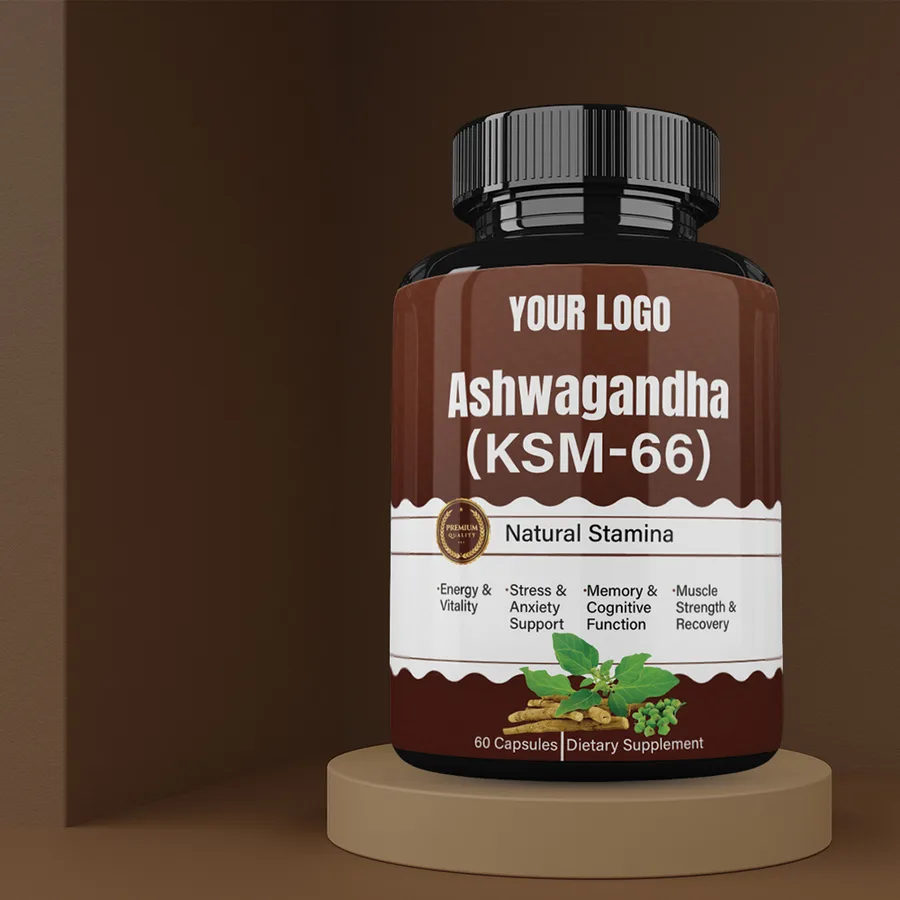
What they are good for: no taste problem at all, dose precision, and a premium perception over churna. They also suit single-ingredient products, which is how you capture ingredient-led search, people search for ashwagandha, not for a seven-herb blend.
The constraint: higher cost per unit than tablets, and the same volume limitation.
One India-specific point: use HPMC vegetarian shells rather than gelatin. The cost difference is small and the market difference is not. A gelatin capsule rules you out for a large share of Indian customers, and the capsule shell being vegetarian does not help if the contents are not, label both honestly.
Juices, the format Indian customers recognise
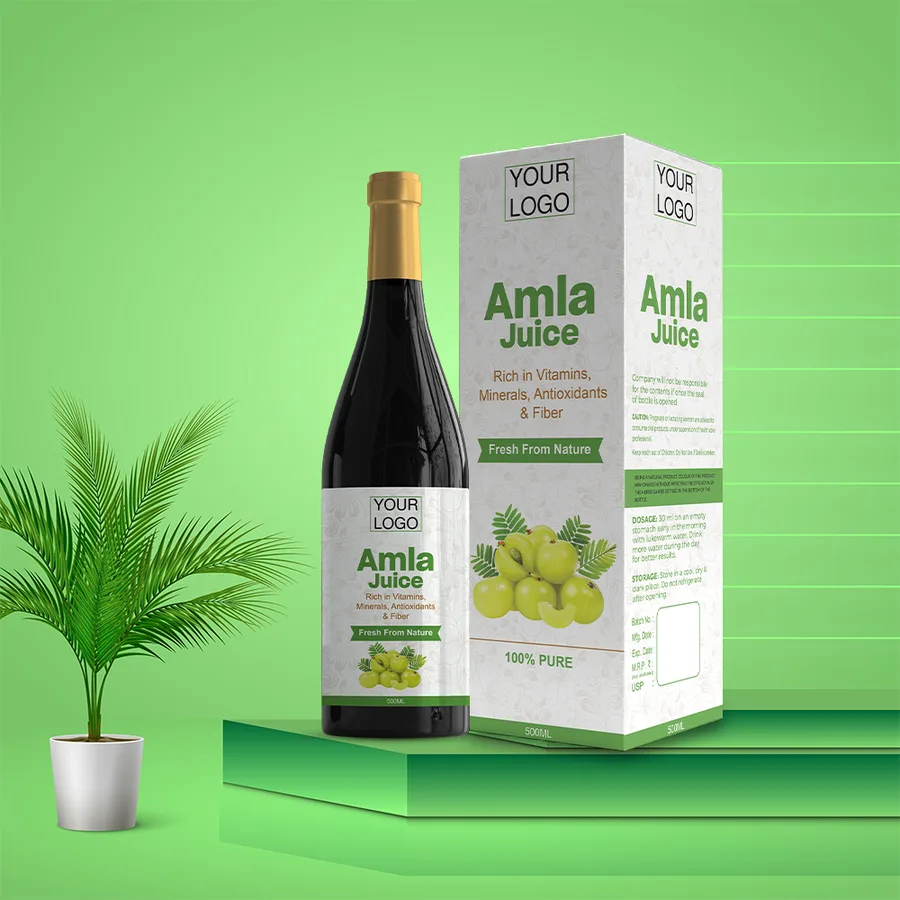
What they are good for: cultural recognition, and building a morning routine. Routine is the strongest predictor of repeat purchase in this industry, and a liquid taken at a fixed time becomes habit more reliably than a tablet that gets forgotten.
The constraints, and they are real:
Shipping weight. A 1 L bottle costs multiples of a tablet jar to ship. On a D2C model where you absorb freight, this can quietly erase your margin.
Breakage and leakage. Returns in this format are materially higher. Cap quality and induction sealing matter more than people expect.
Shorter shelf life, 15 to 18 months rather than 24, and less for sensitive greens.
Preservatives. Shelf-stable juice needs a permitted preservative within FSSAI limits. Customers increasingly ask about this, and the honest answer, that the alternative is a cold chain Indian distribution does not support, is one you should be ready to give.
Best for: direct selling, pharmacy counters, and brands targeting older customers who already have a morning routine. Weaker for pure D2C where freight is yours.
Powders, the widest range
What they are good for: the only format that can carry grams. Protein, meal replacements, collagen, inositol, psyllium, these simply cannot work in a tablet, and the research doses for several of them are in grams.
Also the widest price range in this catalogue, from a ₹99 churna pouch to a ₹2,500 protein tub, on broadly similar production.
The constraints: flavour and texture make or break it. Unflavoured green powders get abandoned half-full, which means no reorder. Measuring is friction; some customers will not do it.
Best for: anything dose-heavy, and anything where you want a low-cost entry SKU.
Drops, the cheapest way into a customer’s hand
What they are good for: the lowest trial cost in this catalogue. A 30 ml bottle under ₹150 is an almost frictionless first purchase from a brand nobody has heard of. Excellent as kit inclusions, free gifts, sampling and quick-commerce impulse buys.
The constraint: thin margin per unit. This is a reach and acquisition format, not a profit centre.
Topicals, the best margins
What they are good for: oils, creams, serums and gels price like cosmetics rather than like supplements, and every oral SKU in your range has a natural topical companion. Tablet plus oil is the highest-attach pairing we supply.
The constraints: longer development, more packaging decisions, and Indian climate is harsh on them, coconut-based oils solidify in a Delhi January and leak in a Chennai June. Pump mechanisms fail more than flip caps.
How to actually choose
Four questions, in order.
1. What dose does the formulation need? Grams → powder. Hundreds of milligrams → tablet or capsule. This question alone eliminates most options.
2. What is your channel?
- D2C where you pay freight → favour tablets, capsules, drops
- Direct selling → juices work well; premium perception matters
- Quick commerce → small packs, under ₹400
- Pharmacy counters → blisters and cartons
- Export → powders and capsules; liquids rarely make freight sense
3. What is your budget? SKU count drives this more than format does. Our minimum is 500 units on any of them, but four SKUs at 500 each is 2,000 units, and four sets of artwork, four label print runs and four lots of stock to sell. Juices at the same 500 are a heavier, costlier thing to ship than 500 tablets.
4. Will the customer actually take it? The format someone abandons in week two delivers nothing. Taste, measuring and portability decide this more than efficacy does.
The pattern most brands end up with
Worth stating because it is consistent across our clients.
Most ranges settle into two or three formats of the same wellness goal, because customers choose by habit as much as by ingredient. A liver range with a tablet, a juice and a churna covers the convenience buyer, the morning-routine buyer and the traditional buyer, the same herbs, three customers.
The formats share artwork decisions, one purchase order and one shipment, so the second and third SKU cost far less in effort than the first.
What we would advise against
Starting with protein. Brutal competition, thin margins against established players, and the most label-literate customer in the industry. The minimum is the same 500 as anything else; the difficulty is everything after it.
A juice-only range for D2C. The freight maths catches up with you.
Gummies as a first product. Different line, eight to ten week development, higher minimums. Fashionable and not a sensible entry.
Glass for a mass-market product. Beautiful, heavy, breaks. Keep it for a premium SKU where presentation is the product.
The short version
Dose requirement eliminates most options first, grams means powder. Then let your channel decide: tablets and capsules for D2C freight, juices for direct selling and older customers, drops for trial, topicals for margin and attach.
Most brands end up with two or three formats of the same goal, and that is usually the right answer rather than a compromise.
Minimums and lead times by format: minimum order and lead times. Questions worth asking a manufacturer: choosing a contract manufacturer.
Get our product list and minimum orders
Leave your email and we will send the formats we make, the minimum order for each and typical lead times. We use it only to reply to you.
Manufacturing in this category?
We make products in this category for other people's brands. Tell us the format and volume and we will send a specification and a per-unit cost.
Request a quotation ↗NutraHerbal manufactures food supplements, Ayurvedic proprietary medicines and cosmetics for business customers. Product information on this site describes composition, format and commercial positioning for brand owners. It is not medical advice, does not claim to diagnose, treat, cure or prevent any disease, and is not a substitute for consulting a qualified practitioner. Final label claims are the brand owner's responsibility and must be approved for the destination market.
How we write and review content: editorial policy.