Reviewed for accuracy and claims compliance: Claims compliance review
Piles is the condition people are most willing to self-treat and least willing to discuss. The combination is unfortunate, because the main symptom, rectal bleeding, has several possible causes, and piles is only one of them.
The embarrassment is the hazard. A cream from the pharmacy, bought without a word to anyone, is also a decision not to find out what is actually bleeding.
This is information, not medical advice. Rectal bleeding should be assessed by a doctor at least once, and promptly if you are over 40, or have any of the features listed below.
What piles actually are
Haemorrhoids are vascular cushions in the anal canal. Everyone has them, they contribute to continence. They become a problem when they enlarge, become congested, bleed or prolapse.
Internal haemorrhoids sit above the dentate line, where there are no pain fibres. This explains something that confuses people: internal piles typically bleed without hurting. Painless bright red bleeding is the classic presentation.
External haemorrhoids sit below it, in skin with full sensation. These can be painful, particularly when a clot forms in one, a thrombosed external haemorrhoid, which is acutely and severely painful and looks like a tense bluish lump.
Internal piles are graded by prolapse: Grade 1 stays inside, Grade 2 prolapses on straining and goes back by itself, Grade 3 needs pushing back, Grade 4 stays out. The grade determines what treatment is appropriate, which is one reason an examination matters.
The central point: bleeding is not a diagnosis
Rectal bleeding has several causes, and they need distinguishing:
Haemorrhoids, bright red, typically painless, often noticed on the paper or dripping into the bowl after passing stool.
Anal fissure, a tear in the anal lining. Severely painful during and after passing stool, often described as passing glass, with a small amount of bright red blood. Very commonly mistaken for piles, and the treatment is different, fissures need stool softening plus a prescribed topical that relaxes the sphincter and improves blood flow for healing. Creams sold for piles do not do this.
Inflammatory bowel disease, ulcerative colitis or Crohn’s. Blood mixed with mucus, diarrhoea, urgency, abdominal pain, sometimes weight loss and fever.
Infection, dysentery, amoebiasis. Common in India, with diarrhoea and fever.
Polyps, usually painless, and some are pre-cancerous. Found and removed at colonoscopy.
Colorectal cancer. This is why the article exists. It can present with rectal bleeding that is indistinguishable from piles, particularly early on. It is increasingly diagnosed in younger adults.
Diverticular disease, more common with age.
A thing worth knowing: having piles does not protect you from having something else. Piles are so common that finding them on examination does not complete the investigation in someone with warning features. A doctor may find piles and still recommend a colonoscopy, and that is not excessive caution.
See a doctor promptly
These need prompt assessment, not a cream:
- Over 40–45 with new rectal bleeding, this threshold exists for a reason
- Dark red or black blood, or blood mixed into the stool rather than on its surface. Blood from piles sits on the outside of the stool or appears after; blood mixed through suggests a source higher up
- A change in bowel habit lasting more than a few weeks, looser, more frequent, or alternating
- Narrower stools, consistently
- Unexplained weight loss
- Persistent abdominal pain
- Anaemia, or symptoms of it, fatigue, breathlessness, pallor. Piles rarely cause significant anaemia; if you are anaemic, the cause needs finding
- A family history of colorectal cancer or polyps
- A lump that will not go back in
- Mucus or pus with the blood
- Fever with rectal symptoms
- Bleeding that persists despite a few weeks of correct self-care
- Tenesmus, a persistent feeling of needing to pass stool when there is nothing there
- Any bleeding in a person with inflammatory bowel disease
Urgently:
- Heavy bleeding, or dizziness and palpitations with bleeding
- Severe anal pain with a hard tender lump, possible thrombosed haemorrhoid, which is most effectively treated in the first couple of days
- Fever with severe pain and swelling, possible abscess, which needs drainage
- A prolapsed pile that is stuck, dark and intensely painful, possible strangulation
What the examination involves
People avoid this and it is briefer than they fear.
Inspection of the anal area.
Digital rectal examination, a gloved finger, lubricated, a few seconds. Uncomfortable, not painful, unless there is a fissure, in which case the doctor will usually not persist.
Proctoscopy, a short instrument to see the anal canal and lower rectum. This is how internal piles are graded.
Colonoscopy, if there are warning features or you are over the screening threshold. Done under sedation, and the preparation is the tedious part rather than the procedure.
That is all. The reluctance costs more than the examination does.
The actual fix: softer stool
This is the heart of treatment, and most people skip it in favour of the cream.
Piles are driven by straining and hard stool. Creams address symptoms; stool softening addresses the cause. If you do nothing else from this article, do this.
1. Fibre, increased gradually. Vegetables, pulses, whole grains, fruit with skin. Psyllium husk if diet is not enough. Soaked prunes and figs.
2. Water, properly. Two and a half to three litres. Fibre without water makes stool harder, not softer, this is the most common self-inflicted error.
3. Do not strain. The single most important behavioural change.
4. Do not sit on the toilet for long. Prolonged sitting congests the haemorrhoidal cushions. Leave the phone outside, people now spend far longer there than they used to, and it matters.
5. Go when the urge comes. Holding it leads to harder stool.
6. A footstool if you use a western toilet, so knees are above hips. Mechanically better and free.
7. Warm sitz baths. Sitting in warm water for ten to fifteen minutes, two or three times a day. Genuinely effective for pain and spasm, and the most underused remedy here.
8. Move. Sedentary work and prolonged sitting are directly associated.
9. Lose abdominal weight if relevant.
10. Avoid heavy lifting with breath held.
11. Clean gently. Water rather than dry rubbing; pat dry. Avoid scented wipes and harsh soap, which irritate.
Where creams and traditional products fit
Creams and ointments reduce pain, itching and inflammation. That is worthwhile and it is symptomatic. They do not shrink piles meaningfully and they do not stop recurrence, because they do not change the stool.
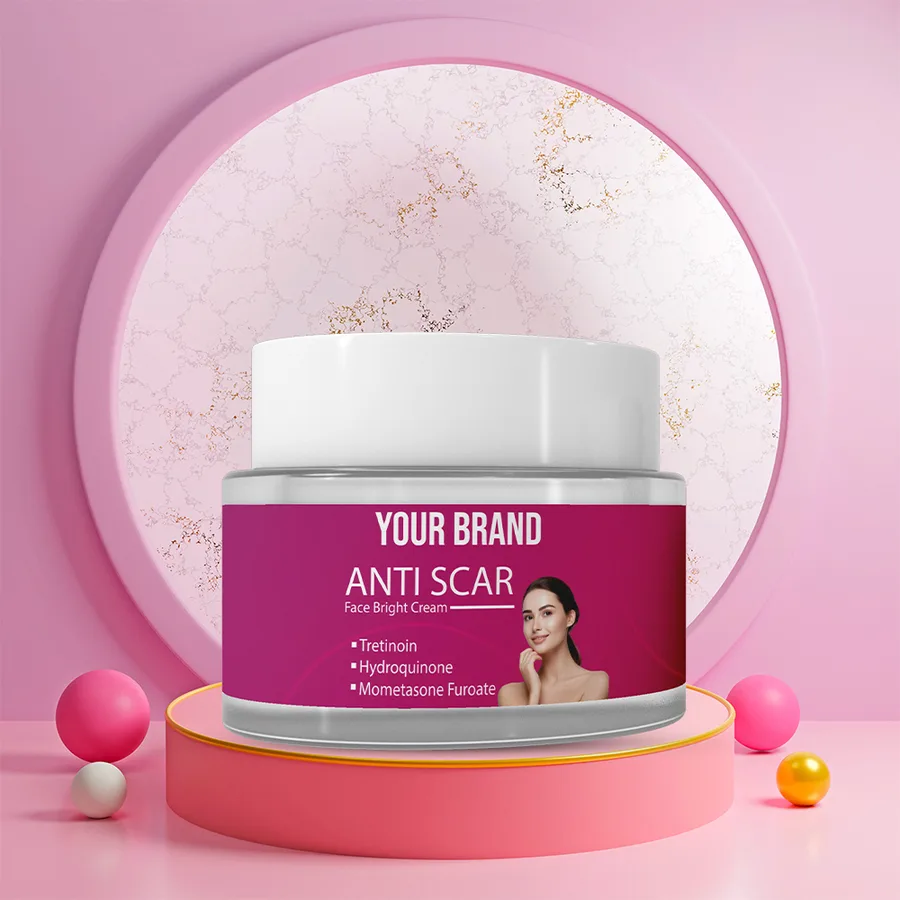
Those containing a local anaesthetic help with pain short-term. Those containing a steroid reduce inflammation but should not be used for extended periods, as prolonged use thins the perianal skin. A couple of weeks, not a couple of months.
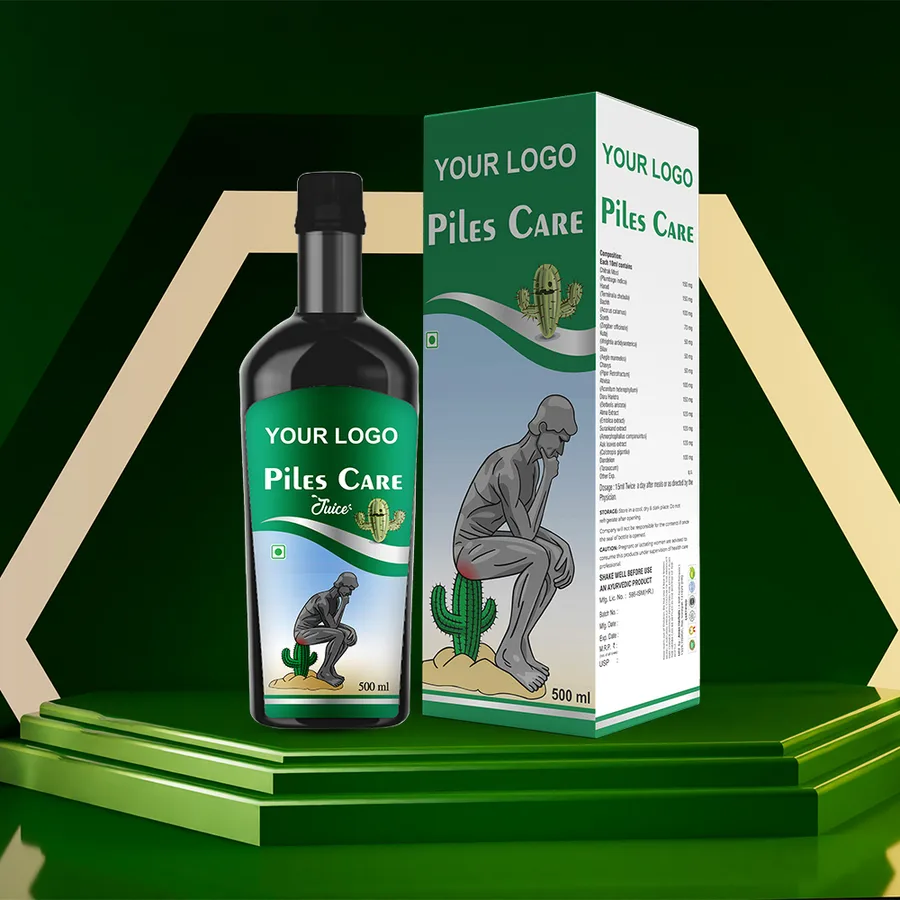
Traditional Ayurvedic approaches use haritaki and triphala, for stool softening, which is mechanistically sensible and aligned with the actual fix, and nagkesar and other herbs in classical arsha formulations, with topical preparations for local comfort.
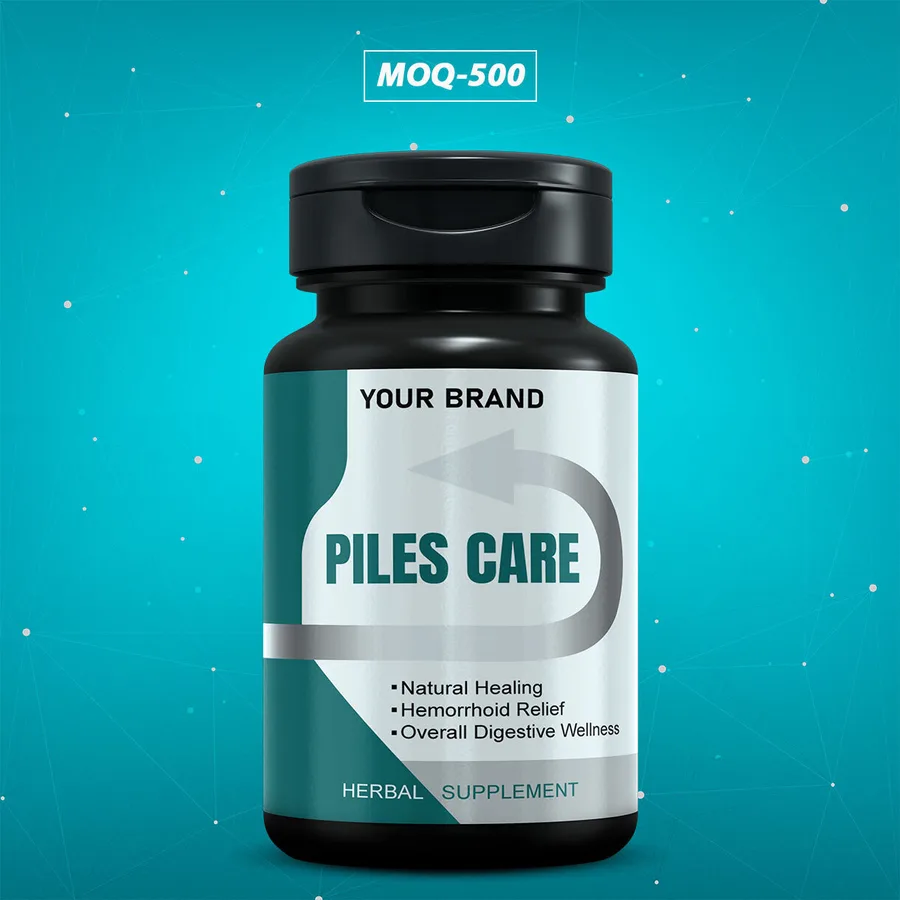
What can honestly be said: traditional use in Ayurvedic formulations for piles; support for comfortable bowel movement; relief from local discomfort.
What cannot: cures piles, shrinks piles permanently, removes the need for surgery. Those are medicinal claims and we decline artwork that makes them.
What the medical treatments are
Worth knowing, because many people imagine surgery is the only option and so avoid asking.
Grade 1–2: stool softening, topical treatment, and often rubber band ligation, an outpatient procedure, quick, usually without anaesthesia, with a short recovery. Also sclerotherapy or infrared coagulation.
Grade 3: banding may still work; some need a procedure.
Grade 4, or failed conservative treatment: surgical options including stapled haemorrhoidopexy and conventional haemorrhoidectomy, and newer options such as laser and artery ligation techniques.
Also prescribed: oral flavonoid preparations, used in several countries for haemorrhoidal symptoms.
For a thrombosed external haemorrhoid: if seen within the first day or two, excision gives rapid relief. After that, conservative management while it resolves over a couple of weeks.
The point: effective treatment exists at every grade, most of it minor, and the earlier it is addressed the smaller the intervention.
Pregnancy, specifically
Piles are very common in pregnancy and postpartum, the pressure of the uterus, hormonal effects on vein walls, constipation, and the strain of delivery.
They usually improve substantially after delivery. Treatment during pregnancy focuses on stool softening, sitz baths and positioning, with topical choices discussed with the obstetrician, since not everything is appropriate.
Do not start any oral herbal product in pregnancy without asking.
Our position as a manufacturer
We make products in this category, which is why the emphasis here falls where it does.
We require a referral line on piles artwork: that rectal bleeding should be assessed by a doctor. This is not legal caution. It is because the failure mode in this category is specific and serious, a person treats bleeding as piles for a year, and the bleeding was something else.
Piles products sell on the promise of privacy. That is the whole appeal, and it is also the risk, so the label is the only place the warning can reach the customer.
We decline claims to cure piles, to avoid surgery, or to shrink piles permanently, and imagery implying the same.
The short version
Piles bleed brightly and usually painlessly. Severe pain during and after stool with a little blood is more likely a fissure, which needs different treatment.
Rectal bleeding needs a doctor at least once, and promptly if you are over 40–45, if blood is dark or mixed into the stool, if bowel habit has changed, or if there is weight loss or anaemia. Having piles does not rule out something else.
The actual fix is softer stool, fibre with enough water, no straining, no long sits with the phone, a footstool, warm sitz baths. Creams treat the symptom; stool treats the cause.
And effective procedures exist at every grade, most of them minor. Earlier means smaller.
Composition detail: Pilesovo 360. Hindi piece on symptoms and causes: बवासीर के लक्षण और कारण.
Get our product list and minimum orders
Leave your email and we will send the formats we make, the minimum order for each and typical lead times. We use it only to reply to you.
Manufacturing in this category?
We make products in this category for other people's brands. Tell us the format and volume and we will send a specification and a per-unit cost.
Request a quotation ↗NutraHerbal manufactures food supplements, Ayurvedic proprietary medicines and cosmetics for business customers. Product information on this site describes composition, format and commercial positioning for brand owners. It is not medical advice, does not claim to diagnose, treat, cure or prevent any disease, and is not a substitute for consulting a qualified practitioner. Final label claims are the brand owner's responsibility and must be approved for the destination market.
How we write and review content: editorial policy.