Reviewed for accuracy and claims compliance: Claims and compliance review
Tulsi occupies a unique position in Indian life. It is a sacred plant, it grows in courtyards, it is given to children, and it is probably the last herb anyone would think to ask a safety question about.
Which is exactly why these four things go unsaid.
One: animal studies document antispermatogenic effects, reduced sperm count and motility.
Two: eugenol, tulsi’s main constituent, has documented antiplatelet activity.
Three: tulsi lowers blood glucose, which is its best-evidenced effect and therefore its most real interaction.
Four: it is classically a hot herb, which makes it the wrong choice for a substantial set of people.
None of these makes tulsi dangerous. All four are worth knowing, and almost no pack in India carries any of them.
We make tulsi drops, juice and capsules. This is the article we think the category needs.
General information, not medical advice. If you and your partner are trying to conceive, the first section applies to both of you, and it is the most under-reported thing here.
1. Fertility, the one nobody mentions
This deserves to be first because it is the most consequential and the least known.
There is a body of animal research on Ocimum sanctum and male reproductive function.
What it reports: reduced sperm count, reduced motility, and changes in reproductive hormone levels in rats given tulsi leaf extracts. These effects have been reported across multiple studies, and in at least some the effects were reversible after the extract was stopped.
And there is also animal work reporting antifertility effects in females, including effects on implantation.
Now the honest framing, because this needs care in both directions:
These are animal studies at doses that may not correspond to human use. There is no good human trial establishing that tulsi impairs human fertility. So we are not telling anyone that tulsi has made them infertile.
And: the direction of the signal is consistent, it was found repeatedly, and tulsi has in fact been investigated as a candidate male contraceptive agent, which tells you what researchers were looking for and finding.
The practical conclusion we draw:
If you are trying to conceive, both partners should avoid concentrated tulsi supplements, drops, capsules, extracts, strong daily kadha.
A few leaves in tea is a different order of exposure and is not what this is about.
And the reason we feel strongly about it: couples trying to conceive often take several herbal products at once, and in India tulsi is among the most likely to be in that set. Taking a researched antifertility candidate while trying to conceive is a genuinely counterproductive situation that nobody is warned about.
And it is reversible, which makes the warning worth giving rather than frightening. Stopping is enough.
2. Bleeding, eugenol is antiplatelet
Tulsi’s dominant essential oil constituent is eugenol, the same compound that dominates clove oil.
And eugenol has documented antiplatelet activity. It inhibits platelet aggregation.
Which produces a straightforward set of cautions:
On warfarin, acenocoumarol, or a direct oral anticoagulant (apixaban, rivaroxaban, dabigatran), mention it.
On clopidogrel or aspirin, the effects add.
Before any planned surgery or dental extraction, stop concentrated tulsi products, with your surgeon’s timing. This is standard advice for several botanicals and it is not theoretical.
With a bleeding disorder, or low platelets, ask.
And the signs to stop for: unusual bruising without injury, bleeding gums, nosebleeds, blood in stool or urine, prolonged bleeding from minor cuts.
And there is an irony here worth stating plainly. Tulsi is widely promoted in India for dengue, a disease whose danger includes falling platelets and bleeding. Giving an antiplatelet herb in that setting is exactly backwards. We refuse dengue claims for this reason as well as the delay reason.
3. Blood sugar, the best evidence is also the real interaction
And this is an unusual situation: tulsi’s strongest human evidence is the thing that makes it interact.
Several small human trials report modest reductions in fasting and post-meal blood glucose with tulsi. Among Indian botanicals, this is one of the more repeatedly observed effects.
So on metformin, a sulfonylurea (glimepiride, gliclazide) or insulin, the effects add.
What that means practically:
Monitor your sugar when starting or stopping tulsi.
Do not reduce your prescribed medication yourself because you have started a herb. That is the doctor’s decision, and the commonest way this goes wrong.
Know the signs of low blood sugar: sweating, trembling, anxiety, hunger, palpitations, confusion. And treat it promptly with sugar.
And tell your doctor you are taking tulsi, because an unexplained improvement or instability in glucose control has a cause, and it should not be a mystery.
4. The classical caution, tulsi is hot
This is not a modern safety finding; it is the classical system’s own selection rule, and it is practically useful.
Tulsi is classified as ushna virya, hot in potency, and katu-tikta (pungent and bitter), kapha-vata shamaka, and therefore potentially pitta-increasing.
Which gives a genuine list of people for whom it is a poor fit:
Acidity, reflux and heartburn, tulsi kadha taken daily makes this worse in a lot of people, and they keep taking it because it is supposed to be good for them.
Recurrent mouth ulcers.
A tendency to heavy menstrual bleeding.
Bleeding piles.
And in the hot season, at strong doses.
And it is self-testable: if tulsi kadha or drops give you burning, acidity or mouth ulcers, the classical reading is that it is too hot for your constitution, not that you need more.
No pack prints this, and it would be more useful than most of what packs do print.
The other cautions
Pregnancy. Avoid concentrated supplements. Given the animal reproductive data and the absence of human safety data, this is straightforward. Culinary and devotional use of a few leaves is a different matter.
Breastfeeding. Insufficient data for therapeutic doses.
Eugenol at high doses and liver. Eugenol is not benign in quantity, clove oil poisoning in children is documented in the medical literature, with liver involvement. This is not a caution about a few leaves or a cup of tulsi tea. It is a caution about concentrated extracts and oils taken in quantity over time, and about keeping concentrated products away from children.
Thyroid. Some animal work has reported effects on thyroid hormone levels. The findings are mixed and the human relevance is unclear, and it is worth mentioning if you take levothyroxine.
Children. Paediatrician first for therapeutic doses. And specifically: check the alcohol content of tulsi drops, since many liquid herbal preparations are hydro-alcoholic and nobody reads that line.
And a practical one: dental enamel. There is a long-standing traditional instruction that tulsi leaves should be swallowed rather than chewed. The explanation usually given, that tulsi contains mercury, has no sound basis and should stop being repeated. A more plausible rationale is that the leaves are mildly acidic and hold volatile compounds against the teeth when chewed. Honestly: the traditional instruction exists and the reason for it is uncertain. We would rather say that than repeat a false fact.
What is genuinely safe
We should be clear, because this article could read as alarmist and it is not meant to.
Fresh tulsi leaves, a few a day, in tea or swallowed, in a person not in the categories above, have an extremely long record of ordinary use and no established harm.
The cautions above attach to concentration and duration: daily strong kadha, concentrated drops, standardised extracts, and months of continuous use, the forms the modern market sells.
That distinction runs through most of this site. A plant used as a food or a household remedy and the same plant sold as a concentrated daily supplement are not the same exposure.
What a pack should say
Our view, and what we print:
The botanical name and part used, and for panch tulsi products, each species named, because the eugenol content depends on which species dominate. We have written about that separately.
“Not for use in pregnancy or breastfeeding.”
“Not for use if you or your partner are trying to conceive.” We have not seen this on another tulsi pack, and it follows directly from the published animal literature.
A line for anticoagulants and antiplatelets, and for surgery.
A line for diabetes medication.
The alcohol content, for drops.
And nothing about immunity, colds, viral infection, dengue, platelets, diabetes or detox, because there is no authorised health claim for tulsi, and because the dengue claim in particular is one we will not make.
What we will and will not say
Sayable: the botanical names and part used; a traditional-use statement framed as traditional use, including the classical kasa-shwasahara, jvaraghna and kapha-vata shamaka designations described as classical designations; the quantity; and authorised claims for any vitamins or minerals present.
Not sayable: boosts immunity, treats or prevents colds, prevents viral infection, helps in dengue, raises platelets, treats diabetes, treats stress, detoxifies, anti-cancer.
And three refusals:
Dengue and platelet claims, under any circumstances, for two independent reasons: delaying monitoring in dengue is a risk to life, and tulsi’s main constituent is antiplatelet, so the claim is also pharmacologically backwards.
“Immunity booster” as a product claim, the biggest selling line for this herb and its weakest evidence.
And we will not supply a tulsi product without the fertility and anticoagulant lines, including for clients who ask us to leave them off. Some do. We decline those.
And the most honest summary:
Tulsi is a sacred household plant, and that is precisely why nobody asks safety questions about it.
Animal studies document antispermatogenic effects and it has been investigated as a male contraceptive candidate, so both partners should stop concentrated products while trying to conceive, and the effect appears reversible.
Eugenol is antiplatelet, which matters on blood thinners and before surgery, and makes the dengue claim backwards.
It lowers blood glucose, which is its best evidence and its most real interaction.
And it is classically hot, so it is the wrong herb for acidity, mouth ulcers and heavy bleeding, which is a useful rule that no pack prints.
When to see a doctor
Stop and ask, or do not start, if you:
- are trying to conceive, either partner
- are pregnant or breastfeeding
- take warfarin, acenocoumarol, a direct oral anticoagulant, clopidogrel or aspirin, and stop before surgery or dental extraction
- have a bleeding disorder or low platelets
- take metformin, a sulfonylurea or insulin, monitoring, and do not self-reduce your dose
- have liver disease
- take levothyroxine
- are giving it to a child, paediatrician, and check the alcohol content of drops
- have surgery planned
Stop and get checked if you develop: unusual bruising, bleeding gums, nosebleeds, blood in stool or urine; symptoms of low blood sugar; yellowing of the eyes, dark urine or persistent nausea; rash or swelling of the lips or tongue; or worsening acidity and mouth ulcers.
Do not rely on a herb, get seen, for:
- fever beyond three days; or fever with rash, severe weakness, abdominal pain, vomiting, or bleeding from the gums or nose, dengue needs testing and platelet monitoring, and this is the single most important line in this article
- breathlessness, chest tightness or difficulty breathing
- difficulty swallowing, or inability to swallow saliva
- cough for more than three weeks, or blood in sputum, particularly with any tobacco use
- a child with high fever, lethargy, or refusing fluids
Emergency: bleeding that will not stop; black or bloody stools; vomiting blood; confusion or severe drowsiness.
The short version
- Tulsi is sacred and familiar, which is why nobody asks safety questions about it
- Animal studies document reduced sperm count and motility with tulsi extracts
- Effects were reported across multiple studies, and in some were reversible
- Animal work also reports antifertility effects in females, including on implantation
- Tulsi has been investigated as a candidate male contraceptive agent
- There is no good human trial establishing impaired human fertility
- So: both partners should avoid concentrated tulsi while trying to conceive
- A few leaves in tea is a different order of exposure
- Couples trying to conceive often take several herbs, and tulsi is commonly one
- Tulsi’s dominant constituent is eugenol, the clove compound
- Eugenol inhibits platelet aggregation
- So mention it on warfarin, DOACs, clopidogrel or aspirin
- And stop before planned surgery or dental extraction
- Which makes the dengue claim pharmacologically backwards, as well as dangerous
- Tulsi lowers blood glucose, its best-evidenced effect
- So the effects add with metformin, sulfonylureas and insulin
- Monitor when starting or stopping, and do not self-reduce your medication
- Tell your doctor, so a change in glucose control is not a mystery
- Classically tulsi is ushna virya, hot in potency
- And kapha-vata reducing, so potentially pitta increasing
- A poor fit for acidity, reflux, mouth ulcers, heavy periods and bleeding piles
- Daily kadha makes acidity worse in many people who keep taking it anyway
- Burning or ulcers mean too hot for you, not too little
- Avoid concentrated supplements in pregnancy
- Eugenol is not benign in quantity, clove oil poisoning in children is documented
- Keep concentrated products away from children
- Some animal work reports thyroid hormone effects; mixed, and worth mentioning
- Check the alcohol content of tulsi drops before giving them to a child
- The traditional instruction not to chew tulsi leaves exists; the mercury explanation does not hold
- A mild-acidity dental rationale is more plausible, and still uncertain
- A few fresh leaves daily has a very long record and no established harm
- The cautions attach to concentration and duration, which is what the market sells
- There is no authorised health claim for tulsi
- We decline clients who want the fertility and anticoagulant lines left off
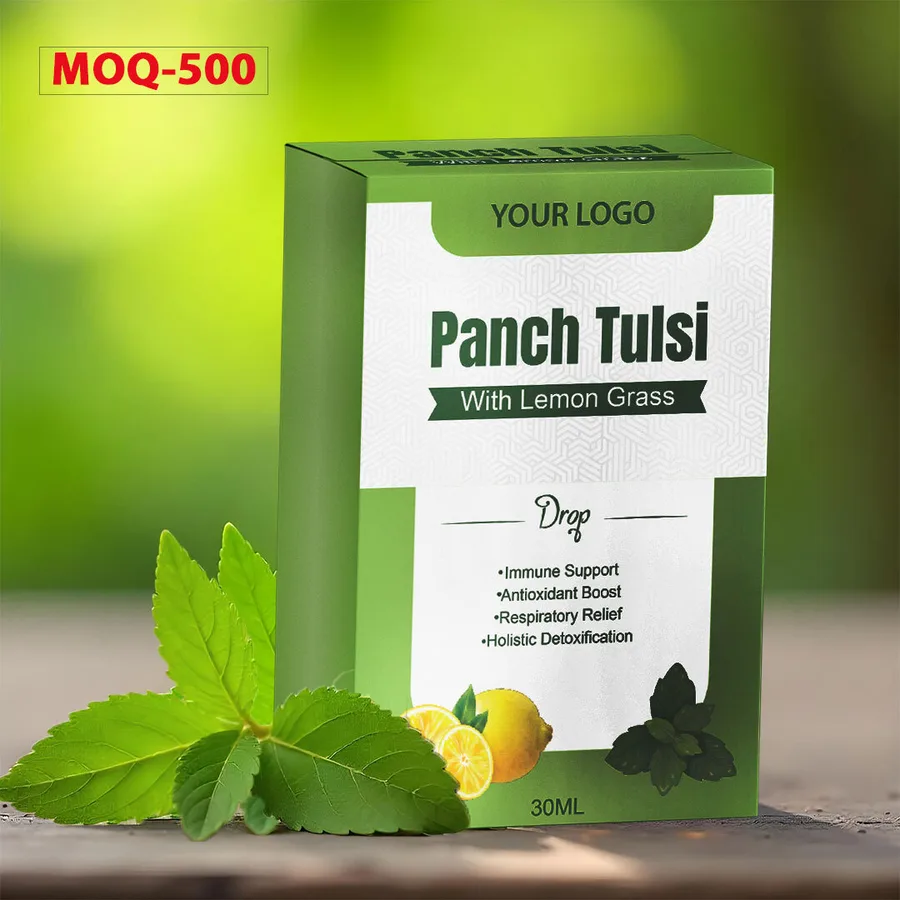
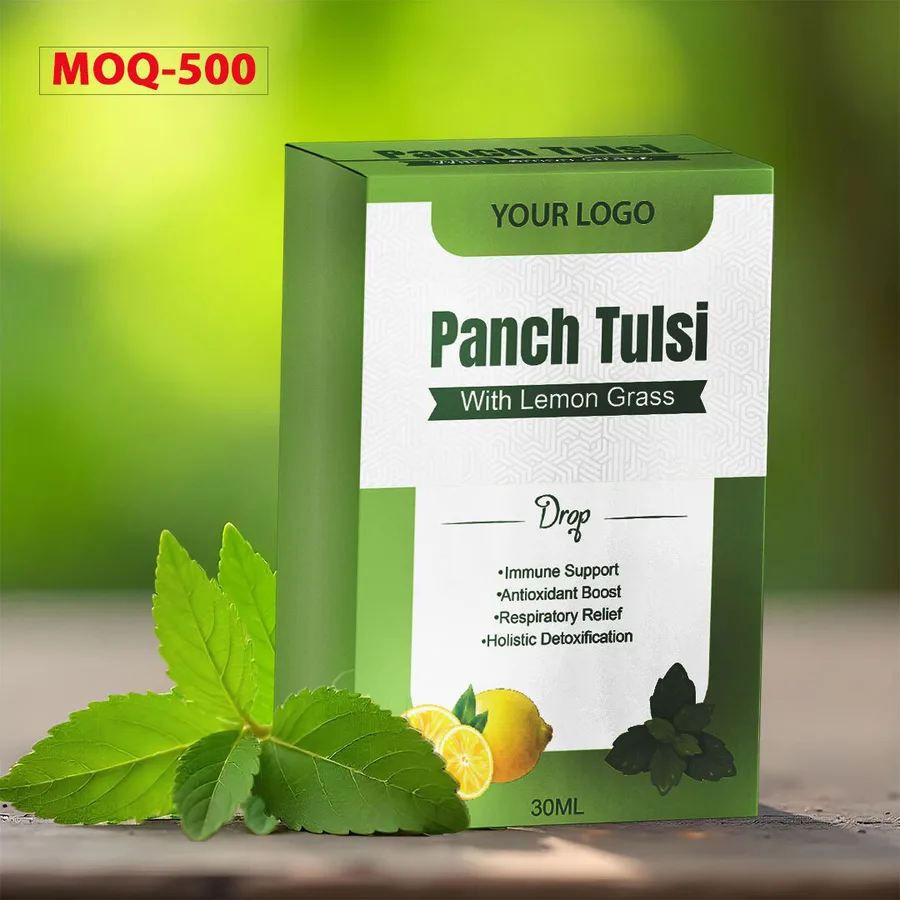
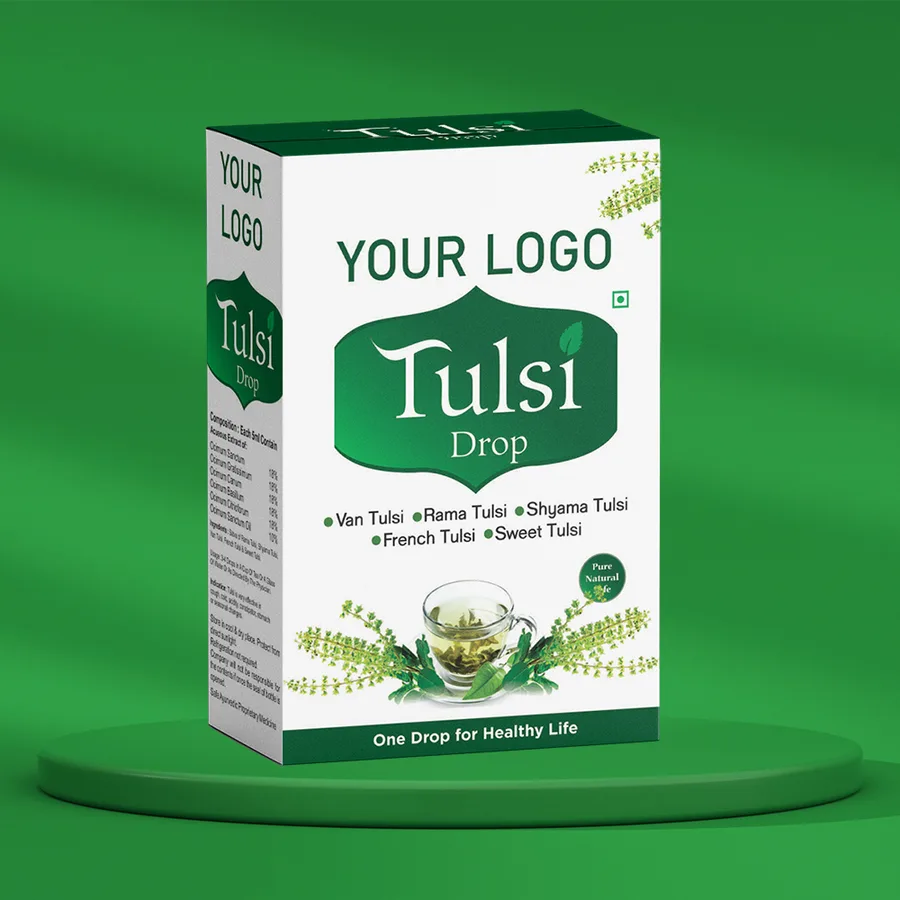
Ingredient detail: tulsi. Our formulations: Panch Tulsi Drops, Tulsi Capsule, Panch Tulsi Juice. Related reading: तुलसी के फ़ायदे और रोज़ का इस्तेमाल, what panch tulsi means, how much kadha is too much, and label compliance.
Get our product list and minimum orders
Leave your email and we will send the formats we make, the minimum order for each and typical lead times. We use it only to reply to you.
Manufacturing in this category?
We make products in this category for other people's brands. Tell us the format and volume and we will send a specification and a per-unit cost.
Request a quotation ↗NutraHerbal manufactures food supplements, Ayurvedic proprietary medicines and cosmetics for business customers. Product information on this site describes composition, format and commercial positioning for brand owners. It is not medical advice, does not claim to diagnose, treat, cure or prevent any disease, and is not a substitute for consulting a qualified practitioner. Final label claims are the brand owner's responsibility and must be approved for the destination market.
How we write and review content: editorial policy.