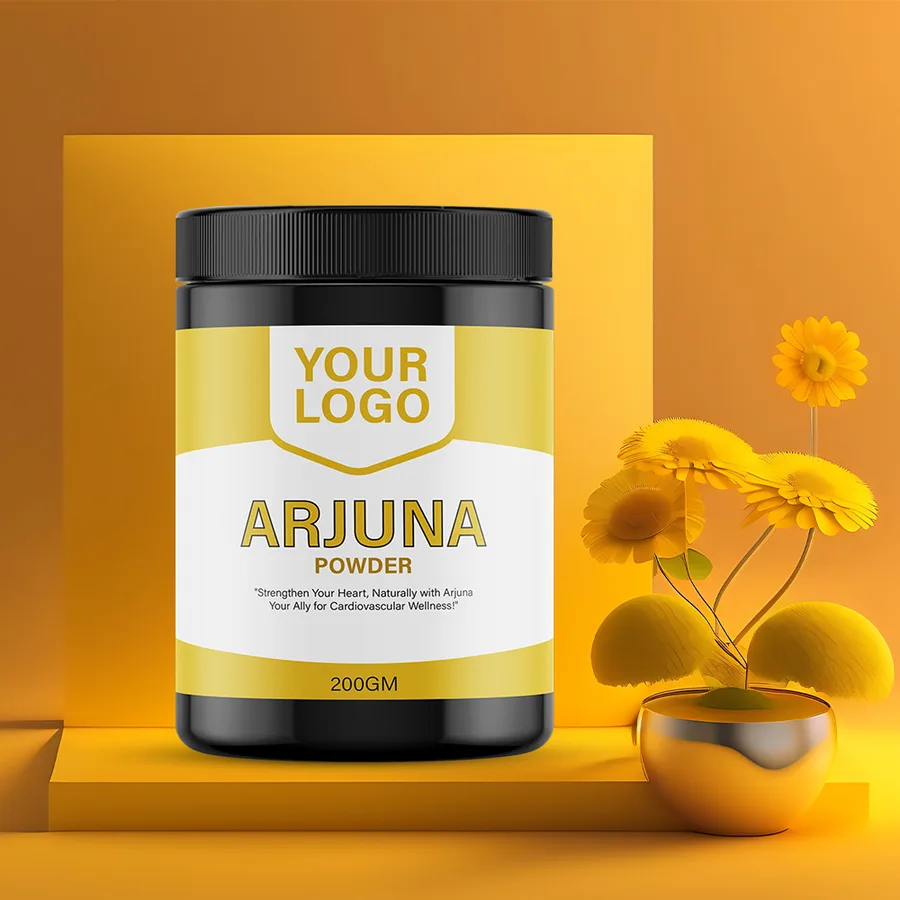
Reviewed for accuracy and claims compliance: Claims and compliance review
Most Ayurvedic herbs are classified by general action, strengthening, cooling, promoting digestion. Arjuna is unusual: its principal classical designation names an organ.
Hridya, of or for the heart.
That specificity is genuinely interesting. It means the tradition identified this bark as cardiac material, consistently, across sources, long before anyone could measure an ejection fraction.
And then the modern question: what does the trial evidence actually amount to?
The honest answer is a handful of small Indian studies, mostly from the 1990s and early 2000s, never independently replicated at scale.
Which is a more interesting position than either “ancient wisdom confirmed” or “no evidence”. It is a real traditional claim with a thin modern literature, and this article is about holding both of those at once.
General information, not medical advice. Heart disease is the area where substituting a herb for prescribed treatment does the most harm, because the prescribed treatments reduce mortality. Arjuna is a question to ask alongside them, never instead of them.
The plant
Terminalia arjuna, family Combretaceae. The part used is the stem bark.
And a point of orientation: this is the same genus as Terminalia chebula (haritaki) and Terminalia bellirica (bibhitaki), two of the three fruits in triphala. Same genus, entirely different application, different part of the plant.
It is a large tree, common along riverbanks across the Indian subcontinent, with a characteristically pale, smooth bark that peels in large flakes.
And the sourcing point that follows from “bark”: the bark is stripped from living trees. Done badly, ring-barking, or stripping too deep, it kills the tree. Sustainable harvesting, taking partial strips that regenerate, is a genuine quality and supply question, and it is worth asking a supplier about.
The classical position
Hridya, cardiac. The primary designation, and unusually organ-specific for the classical system.
Kashaya rasa, astringent. Which matches the chemistry: the bark is rich in tannins, and astringency is what tannins taste like.
Sheeta virya, cooling in potency.
Kapha-pitta shamaka.
Vrana ropana, wound-healing, used externally.
Raktasthambhaka, haemostatic, stopping bleeding. Again consistent with astringent tannins.
And one classical use almost nobody knows about: bhagna sandhanakara, promoting the union of fractures. Arjuna appears in classical literature for bone healing, and it is entirely absent from the modern market, which sells it exclusively as a heart product. That narrowing is worth noticing: the market keeps the designation that sells.
The classical preparations
Arjunarishta (also Parthadyarishta), the best known.
Arjuna kshirapaka, bark decocted in milk. This is the standard classical form for cardiac use, and the milk is not incidental: it is the specified anupana.
Arjuna ghrita, for internal and external use.
And a point about arishta that labels rarely carry: arishta preparations are fermented, and contain self-generated alcohol, typically a few per cent. That matters for diabetics, for anyone with liver disease, for people who avoid alcohol for religious reasons, and in pregnancy. It should be declared.
The chemistry
Tannins, prominent, consistent with the astringency.
Triterpene glycosides and acids, arjunolic acid, arjunic acid, and the arjunetosides, which are the compounds most often discussed in the cardiovascular research.
Flavonoids, including arjunone and baicalein.
Oligomeric proanthocyanidins.
And the bark has been reported to contain coenzyme Q10, which is sometimes cited in support of the cardiac use, and which is a weak argument given how little would be present.
The modern evidence, properly sized
This is the section that matters, and the honest framing requires naming the limits plainly.
Chronic heart failure
There are small randomised and open studies from Indian centres, mainly from the 1990s and early 2000s, reporting improvements in symptom class, exercise tolerance and some echocardiographic measures in patients with chronic heart failure given arjuna bark extract.
What those studies share:
Small numbers, tens of patients, not hundreds or thousands.
Short duration.
Variable preparations and doses, which makes them hard to pool.
Methodological limitations by current standards, blinding, randomisation description, outcome definition.
And crucially: no independent large-scale replication. Three decades on, the evidence base has not grown in the way a genuinely promising cardiac agent’s would have.
Angina and ischaemic heart disease
Similar picture: small Indian studies reporting reduced angina frequency, with the same limitations.
Lipids
Small studies reporting modest reductions in total and LDL cholesterol.
And the comparison that has to be made: statins reduce LDL substantially and reduce cardiovascular events and deaths, demonstrated in very large trials. There is no sense in which arjuna is an alternative to that.
Animal and laboratory work
Antioxidant activity, and cardioprotection in experimental models of myocardial ischaemia. Reasonably extensive, and it is not human outcome data.
The honest summary
Arjuna has a specific classical cardiac designation and a small, old, geographically concentrated, unreplicated clinical literature suggesting symptomatic benefit in heart failure.
That is enough to make it interesting. It is nowhere near enough to make it a treatment.
And the asymmetry worth stating: modern heart failure therapy, ACE inhibitors or ARBs or ARNI, beta blockers, mineralocorticoid receptor antagonists, SGLT2 inhibitors, has been shown across trials involving tens of thousands of patients to reduce mortality. Not symptoms. Mortality.
No herbal product has that evidence, and arjuna specifically does not.
What the market claims, and why it is worse than the evidence
Three claims circulate and all three are worse than unsupported.
“Opens blockages.” Atherosclerotic plaque is a structural lesion in an artery wall, containing lipid, inflammatory cells, calcium and fibrous tissue. Nothing taken by mouth dissolves it away. And the harm is specific: someone with significant coronary disease who believes a syrup is clearing their arteries may decline investigation or revascularisation that would prevent a myocardial infarction.
“Avoid bypass surgery.” Same mechanism of harm, stated more explicitly, and sold to the most frightened people in the market.
“Natural alternative to heart medicines.” The most dangerous framing of all, because stopping a beta blocker or a statin or an anticoagulant is itself a risk event. Abrupt beta blocker withdrawal can precipitate angina and infarction.
We will not make any of the three, and we will not supply a product that does.
So where does arjuna belong
Our position, as a company that sells it:
As a classically respected adjunct, taken with your cardiologist’s knowledge, alongside prescribed therapy.
Not as a substitute, not as a reason to delay investigation, and not as a reason to reduce a prescribed dose.
And the list that outranks it, the interventions that actually reduce cardiovascular mortality:
Stopping smoking and all tobacco. The single highest-value intervention available, larger than any drug, and free.
Blood pressure control.
Statin therapy where indicated.
Diabetes control.
Taking prescribed medicines consistently, and non-adherence is one of the largest preventable causes of cardiovascular events in India.
Physical activity, as advised after assessment.
Salt reduction.
Weight, sleep, and treating sleep apnoea.
That list is unexciting, which is exactly why a bark extract sells and the list does not.
Quality and specification
Botanical name, Terminalia arjuna, on the label. And identity confirmation on raw material, because the genus has several species and bark powder cannot be identified by eye.
Part used, stem bark.
Extract or powder, and the ratio if it is an extract.
Batch-wise heavy metals, bark accumulates from soil and air.
Pesticide residues.
Microbiology, for juices and arishta.
Alcohol content, for arishta preparations.
And sustainably harvested bark, for the reason given above.
What we will and will not say
Sayable: the botanical name and part used; a traditional-use statement framed as traditional use, including the classical hridya designation described as a classical designation; the quantity; and authorised claims for any vitamins or minerals present in the formulation.
And the governing fact: there is no authorised health claim for arjuna.
Not sayable: treats heart disease, treats heart failure, opens blockages, dissolves plaque, lowers cholesterol, prevents heart attack, treats blood pressure, strengthens the heart as a medicinal claim.
And three refusals:
“Opens blockages” and “dissolves plaque”, pharmacologically false, and the belief itself causes harm by delaying intervention.
“Avoid bypass” or “avoid stent”, same, and predatory.
And we will not supply an arjuna product without the line: “If you take any heart medication, consult your doctor. Do not stop prescribed medicines.” Clients ask for it to be removed. We decline those orders.
And the most honest summary:
Arjuna’s classical designation is specifically cardiac, which is rare and worth respecting, the tradition identified this bark for the heart consistently.
Its modern evidence is a handful of small Indian trials from decades ago, never independently replicated, suggesting symptomatic improvement in heart failure.
Modern heart failure drugs have been shown in trials of tens of thousands of patients to reduce death.
Those two sentences are not in the same category, and treating them as if they were is how people die of preventable heart disease.
And stopping tobacco does more than arjuna ever will, at no cost.
When to see a doctor
Emergency, go to hospital now:
- chest pain or pressure, particularly spreading to the left arm, jaw, neck or back
- chest discomfort with sweating, nausea or breathlessness
- sudden severe breathlessness
- fainting or near-fainting
- a very fast or very irregular heartbeat with dizziness
And note: in women and in people with diabetes, a heart attack may present without classic chest pain, as unusual fatigue, nausea, upper abdominal discomfort, or breathlessness alone. This is a common reason for dangerous delay.
See a doctor promptly for:
- breathlessness on exertion that is new or worsening
- breathlessness lying flat, or waking at night short of breath
- swelling of both legs
- fatigue on minimal exertion
- palpitations or an irregular pulse
- chest discomfort brought on by exertion and relieved by rest, this is angina and it needs assessment, not a supplement
Before starting arjuna, ask if you: take digoxin, the most important; take a beta blocker or any antihypertensive; take thyroid medication; take an anticoagulant or antiplatelet (and stop before surgery); take diabetes medication; take iron tablets (tannins reduce absorption, separate the timing); are pregnant or breastfeeding; or have liver disease or diabetes and are considering an arishta preparation, because of its alcohol content.
And above all: do not stop or reduce any prescribed cardiac medicine in order to take a herb.
The short version
- Arjuna’s principal classical designation is hridya, cardiac, naming an organ
- That organ-specificity is unusual in the classical system
- Terminalia arjuna, stem bark, family Combretaceae
- Same genus as haritaki and bibhitaki, two of triphala’s three fruits
- The bark is stripped from living trees and bad harvesting kills them
- Classical: hridya, kashaya, sheeta, vrana ropana, raktasthambhaka
- Astringency matches the tannin chemistry
- And bhagna sandhanakara, fracture healing, a classical use the market dropped
- The standard classical cardiac form is kshirapaka, bark decocted in milk
- Arishta preparations are fermented and contain alcohol, rarely declared
- Key compounds: arjunolic and arjunic acids, arjunetosides, flavonoids, tannins
- The reported CoQ10 content is a weak argument given the quantity
- Heart failure trials exist from Indian centres, mainly 1990s to early 2000s
- Tens of patients, short duration, variable preparations
- And no independent large-scale replication in three decades
- Angina studies show the same pattern and the same limits
- Lipid studies are small; statins reduce events and deaths in very large trials
- So arjuna is not an alternative to statin therapy
- Animal cardioprotection data is reasonably extensive and is not human outcome data
- Enough to be interesting; nowhere near enough to be a treatment
- Modern HF therapy reduces mortality across tens of thousands of patients
- Not symptoms, mortality. No herbal product has that evidence
- “Opens blockages” is pharmacologically false
- Plaque is a structural lesion of lipid, inflammatory cells, calcium and fibrous tissue
- The belief causes harm by delaying investigation or revascularisation
- “Avoid bypass” is the same harm, stated explicitly, sold to the most frightened
- “Natural alternative to heart medicines” is the most dangerous framing
- Abrupt beta blocker withdrawal can precipitate angina and infarction
- Stopping tobacco outranks every drug and every herb, and is free
- Non-adherence to prescribed medicines is a large preventable cause of events in India
- Bark powder cannot be identified by eye, require identity confirmation
- In women and people with diabetes, heart attack may present without chest pain
- There is no authorised health claim for arjuna
- We decline orders that ask us to remove the “do not stop prescribed medicines” line
Ingredient detail: arjuna, guggul. Our formulations: Arjuna Heart Juice, Arjuna Capsule, Cardio 360. Related reading: अर्जुन छाल के फ़ायदे, arjuna with heart medication, garlic, arjuna and guggul, traditional use and limits, and reading a lipid profile without panicking.
Get our product list and minimum orders
Leave your email and we will send the formats we make, the minimum order for each and typical lead times. We use it only to reply to you.
Manufacturing in this category?
We make products in this category for other people's brands. Tell us the format and volume and we will send a specification and a per-unit cost.
Request a quotation ↗NutraHerbal manufactures food supplements, Ayurvedic proprietary medicines and cosmetics for business customers. Product information on this site describes composition, format and commercial positioning for brand owners. It is not medical advice, does not claim to diagnose, treat, cure or prevent any disease, and is not a substitute for consulting a qualified practitioner. Final label claims are the brand owner's responsibility and must be approved for the destination market.
How we write and review content: editorial policy.