Reviewed for accuracy and claims compliance: Claims compliance review
A supplement label is a legal document wearing marketing clothes. Most of what is printed in large type is the clothes. The useful information is in small type on the back, and once you know the six things to look at you can assess a product in under a minute.
This works whether you are a customer choosing between two jars or a brand owner reviewing a competitor.
1. Find the standardisation percentage
This is the single most useful line on a herbal supplement label, and the one most often absent.
An extract should state what it is standardised to. Compare:
- “Curcumin extract (95% curcuminoids), 475 mg”, a specific, checkable claim
- “Turmeric extract, 500 mg”, tells you almost nothing
The gap between those two is enormous. Kitchen turmeric is roughly 2–5% curcuminoids; a standardised extract is 95%. A label that says only “extract” could be either.
The markers to look for by ingredient:
| Ingredient | Marker | Common grade |
|---|---|---|
| Curcumin | Curcuminoids | 95% |
| Ashwagandha | Withanolides | 5% |
| Boswellia / shallaki | Boswellic acids | 65% |
| Brahmi | Bacosides | 20% |
| Garcinia | HCA | 60% |
| Green coffee | Chlorogenic acid | 50% |
| Gymnema / gudmar | Gymnemic acids | 25% |
| Shilajit | Fulvic acid | Stated % |
If a product charges a premium and states no percentage, the premium is for the packaging.
2. Beware the proprietary blend
A “proprietary blend, 1,000 mg” followed by a list of eight ingredients in no stated quantity is a label that has deliberately withheld the information you need.
Ingredients are conventionally listed in descending order by weight, which gives you one clue: whatever is listed first is the largest component. But if the expensive hero ingredient appears sixth in a list of eight, it is present in a token amount, a practice sometimes called fairy dusting.
The honest version states each ingredient with its quantity. We print per-unit compositions for exactly this reason, and we think a manufacturer unwilling to is telling you something.
Occasionally there is a legitimate reason to protect a formulation ratio. Far more often, the blend hides a thin one.
3. Do the serving arithmetic
Three quick calculations that catch a lot.
Servings per container. A jar of 60 capsules at two capsules per serving is a 30-day supply, not 60. Price comparison between products at different serving sizes is meaningless until you normalise for this.
Quantity per serving vs per capsule. Labels sometimes state the impressive number per serving and the serving is three capsules. Check which.
Does the total reconcile? Add the listed ingredient quantities. If a 500 mg capsule lists ingredients totalling 300 mg, the remainder is excipients and capsule shell, fine, and normal. If the listed ingredients total more than the capsule weight, something is wrong with the label.
4. Check the dose against reality
Some ingredients simply cannot be delivered in a tablet at the quantities research uses. Knowing which saves you money.
Research doses in grams, not milligrams:
- Myo-inositol, 2–4 g daily
- Collagen peptides, 2.5–10 g daily
- Creatine, around 5 g daily
- Psyllium, grams
- Protein, obviously grams
For any of these, a capsule or tablet delivers a fraction of the studied intake. That does not make the tablet useless, convenience and combination have real value, but if the dose is your reason for buying, you need a powder. A product implying otherwise is relying on you not doing the arithmetic.
5. The mandatory declarations
In India, these should be present. Their absence is a compliance problem and a signal about the rest of the operation.
- Product name
- Complete composition with quantities
- Net quantity
- Manufacturer name, address and licence number
- FSSAI licence number and logo, where applicable
- Vegetarian (green) or non-vegetarian (brown) mark, check this if it matters to you. Marine collagen, colostrum, gelatin capsules and some glucosamine are non-vegetarian, and a capsule shell being vegetarian does not make the contents so.
- Allergen declarations
- Storage instructions
- Directions for use
- MRP, batch number, manufacturing date, best-before or expiry
- Customer care contact
- On a food supplement, a statement that it is not for medicinal use
Missing items are not a small matter. If a brand has not got the mandatory parts right, assume they have not got the optional parts right either.
6. The claims that should make you put it down
This is the fastest check of all. Any of these on a label means the brand is either uninformed about Indian regulation or indifferent to it:
- Treats, cures or prevents any disease
- A weight figure in kilograms
- Sexual performance claims
- Increases sperm count, regulates periods, dissolves kidney stones, shrinks the prostate, reverses diabetes, cures piles
- Regrows hair in pattern baldness
- Skin whitening or fairness
- “Doctor recommended” with no identifiable basis
- Before-and-after imagery implying a guaranteed result
Here is why this matters even if you do not care about regulation: a brand willing to make an illegal claim on the front of the pack has already shown you how it treats the parts of the label you cannot verify.
What an honest label looks like instead
Permitted and useful:
- Traditional use of named herbs
- Composition with stated quantities and standardisation
- Structure-function wording where a nutrient has established recognition, vitamin D and bone health, zinc and immune function, iron and reduced tiredness
- General wellness positioning, liver wellness, joint comfort, digestive comfort, skin radiance
- A clear dose instruction on the front
That last point is worth dwelling on. Vague dosing is one of the most common reasons customers stop taking a product, and a brand that prints a clear instruction is thinking about whether the product actually gets used.
A one-minute routine
- Turn the jar around
- Find the composition panel, is there one, with quantities?
- Check the standardisation percentage on the hero ingredient
- Divide capsules by serving size to get the real day count
- Check the vegetarian mark and the licence number
- Scan the front for any claim from section six
If it fails step three or step six, put it down.
If you are a brand owner
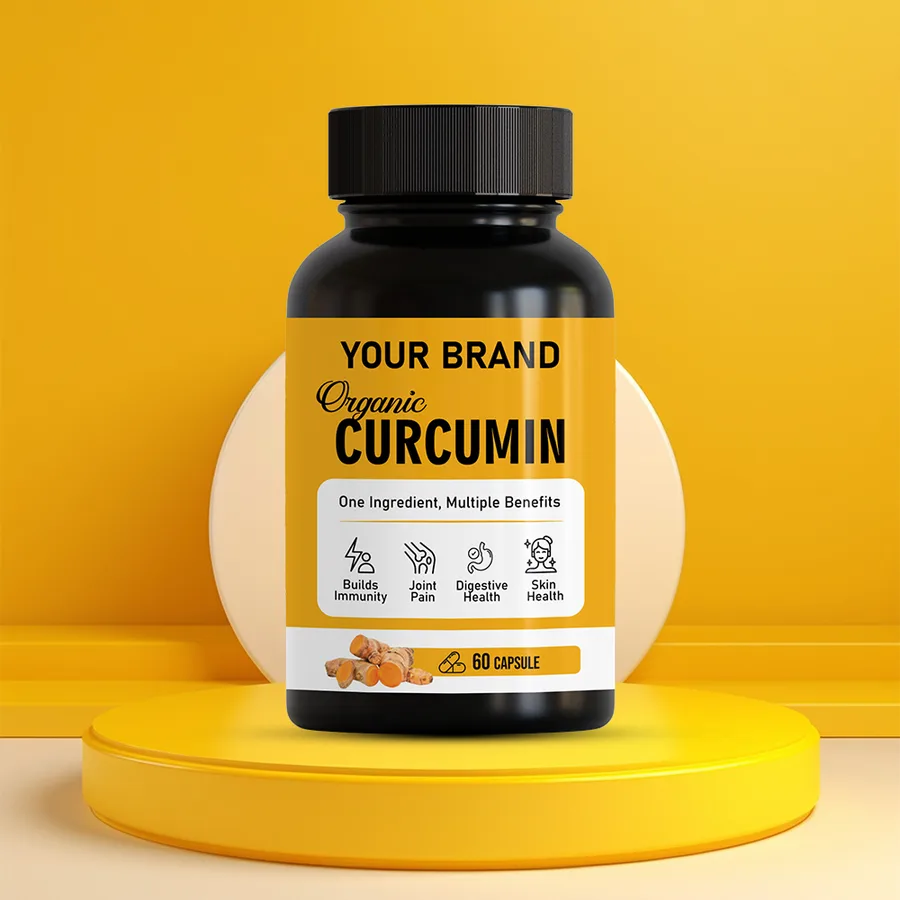
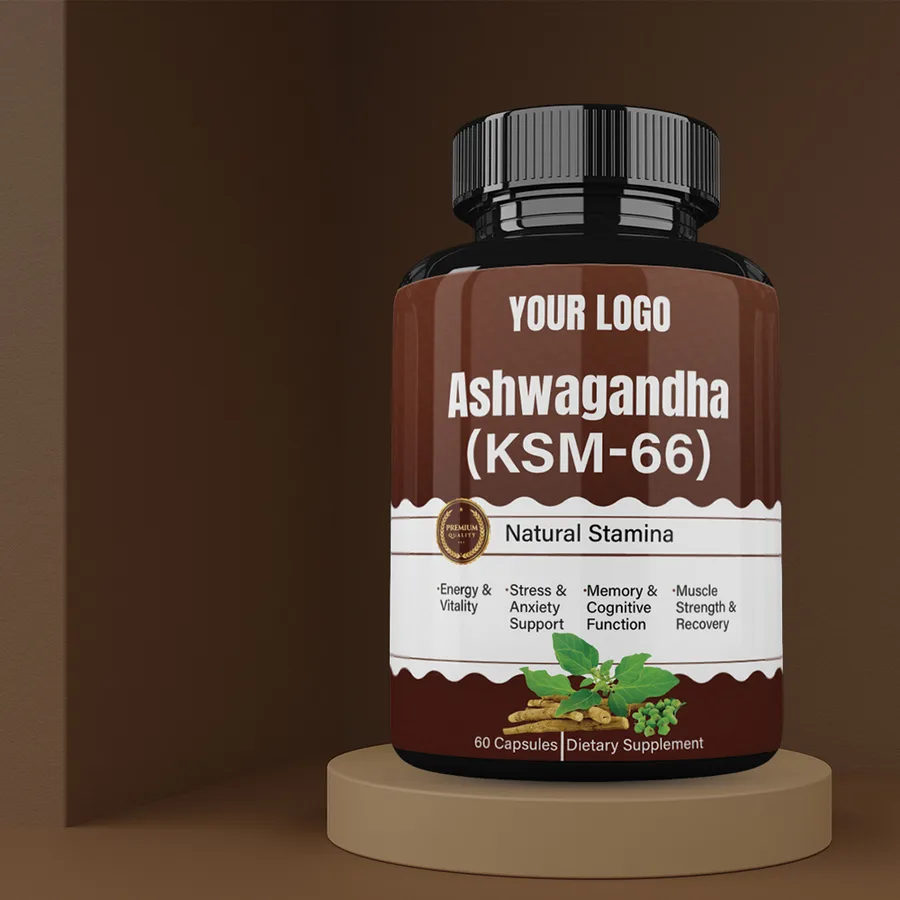
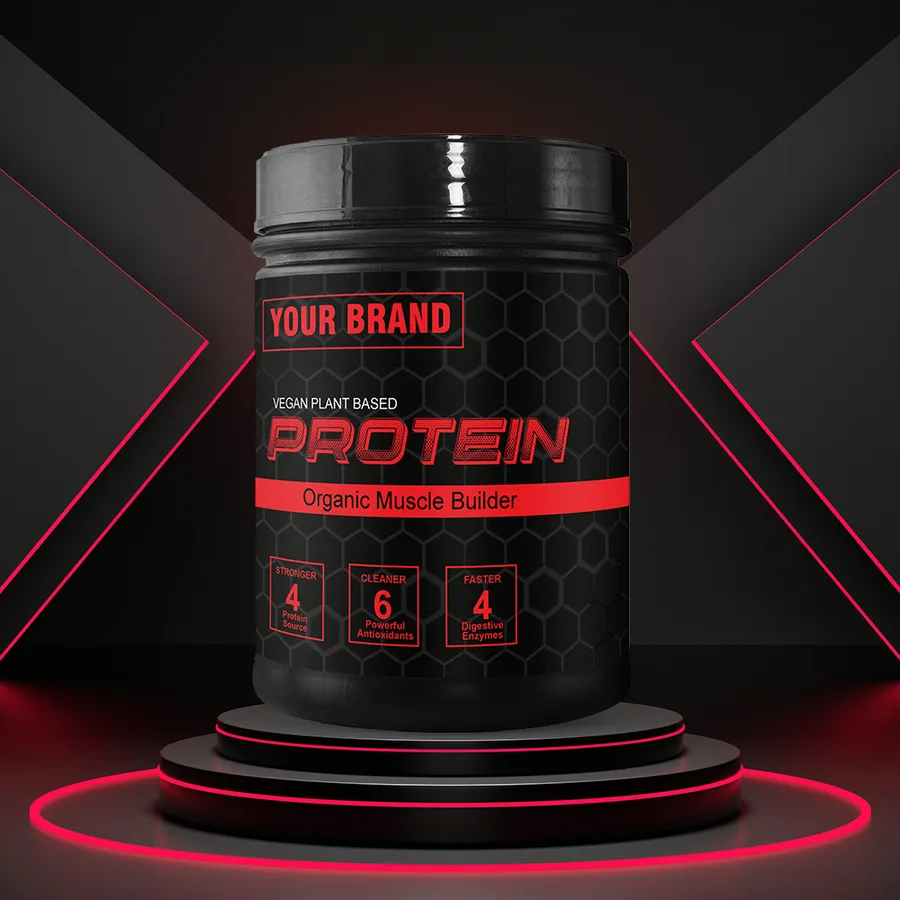
Print the composition in full and legibly. In a market where extract loads are routinely vague, a clear composition panel is a competitive advantage rather than a formality, customers in curcumin, ashwagandha and protein genuinely compare them on listing pages.
Send artwork for compliance review before plates are made. We do it free and it catches the two expensive mistakes: a missing mandatory declaration that forces a reprint, and a claim that gets your listing pulled after you have paid for stock.
And settle your MRP before artwork. Printing plates are a one-time cost per version, so changing the price afterwards means paying for them twice.
The short version
Standardisation percentage, no proprietary blend, servings arithmetic, dose plausibility, mandatory declarations, and no illegal claims. Six checks, one minute. The front of the pack is advertising; the back is the product.
For the full list of what must and must not appear, see our label compliance guide and our claims policy.
Get our product list and minimum orders
Leave your email and we will send the formats we make, the minimum order for each and typical lead times. We use it only to reply to you.
Manufacturing in this category?
We make products in this category for other people's brands. Tell us the format and volume and we will send a specification and a per-unit cost.
Request a quotation ↗NutraHerbal manufactures food supplements, Ayurvedic proprietary medicines and cosmetics for business customers. Product information on this site describes composition, format and commercial positioning for brand owners. It is not medical advice, does not claim to diagnose, treat, cure or prevent any disease, and is not a substitute for consulting a qualified practitioner. Final label claims are the brand owner's responsibility and must be approved for the destination market.
How we write and review content: editorial policy.