Reviewed for accuracy and claims compliance: Claims compliance review
“Detox” gets dismissed as pure marketing, and that dismissal is slightly unfair, the liver genuinely does have detoxification pathways, and they are well-characterised biochemistry.
What does not follow is the commercial conclusion: that those pathways need a product to work, or that anything you swallow sweeps accumulated toxins out.
Here is the actual biology, and where the marketing departs from it.
This is information, not medical advice. Jaundice, abdominal swelling, confusion or vomiting blood need urgent medical attention.
What the liver actually does
The liver handles a long list of jobs: producing bile, storing glycogen, synthesising proteins including albumin and clotting factors, metabolising fats and carbohydrates, storing vitamins.
Among these is biotransformation, chemically modifying substances so the body can excrete them. This applies to drugs, alcohol, hormones your own body produces, and compounds from food.
Textbooks describe this in two broad phases.
Phase I modifies a compound, often by oxidation, largely through the cytochrome P450 enzyme family. This makes the molecule more chemically reactive.
Phase II attaches another molecule to that product, glucuronic acid, sulphate, glutathione, an amino acid, making it water-soluble enough to leave via bile or urine.
A third step, sometimes called Phase III, covers the transport of these products out of the cell.
So yes: the liver detoxifies. The word is not invented.
Where the marketing departs from the biology
Four places, specifically.
1. “Toxins accumulate and need flushing out.”
The pathways above process compounds continuously and excrete the products. There is no reservoir of stored toxins sitting in the liver waiting to be released by a herbal tea.
What does accumulate in liver disease is fat, that is what fatty liver means. And fat is not removed by a cleanse. It is reduced by sustained changes to diet, alcohol intake, weight and activity.
2. “A cleanse restarts or resets the liver.”
These pathways run constantly. They are not switched off and in need of restarting. A healthy liver is already doing this job as you read.
3. “More detoxification is better.”
This is the most interesting error, because the biology says otherwise.
Phase I makes compounds more reactive, sometimes more harmful than the original. The safety of the system depends on Phase II keeping pace. Accelerating Phase I without Phase II capacity is theoretically unhelpful rather than beneficial.
Which means “boosting detoxification” is not a coherent goal, in the same way “boosting immunity” is not.
4. “Detox products are gentle, so they cannot hurt.”
Several documented cases of drug-induced liver injury involve herbal supplements. This is the organ you are claiming to support, which makes an unverified product a strange risk to take with it.
What does genuinely support the liver
Unglamorous, and this is the honest list.
Reduce the burden.
- Alcohol, the single largest modifiable factor. If you drink regularly and have any liver concern, this is where to start.
- Excess sugar and refined carbohydrate, a large part of liver fat is synthesised from excess carbohydrate rather than eaten as fat. Fructose from sugary drinks is specifically implicated. This surprises people who have dutifully given up ghee while drinking a soft drink daily.
- Excess weight, particularly around the abdomen.
- Unnecessary medications and supplements. Including paracetamol taken casually at high doses, and herbal products of unverified origin.
Supply what it needs.
- Adequate protein, the liver synthesises a great deal of protein and needs substrate.
- Vegetables and fibre.
- Coffee, of genuine interest here. Regular coffee consumption is associated with lower rates of liver disease progression in multiple observational studies. Unsweetened, and this is association rather than proven causation, but it is one of the more consistent findings in the field.
Move. Physical activity reduces liver fat, and some of that benefit appears independent of weight loss.
Get vaccinated against hepatitis B if advised, and get tested if you have risk factors.
Where the Ayurvedic herbs sit
Bhumyamalaki, kutki, kalmegh and punarnava have a long classical record in hepatic formulations, and bhumyamalaki in particular is the herb most consistently used in that context.
What can honestly be said: traditional use in Ayurvedic hepatic formulations, and general liver wellness support.
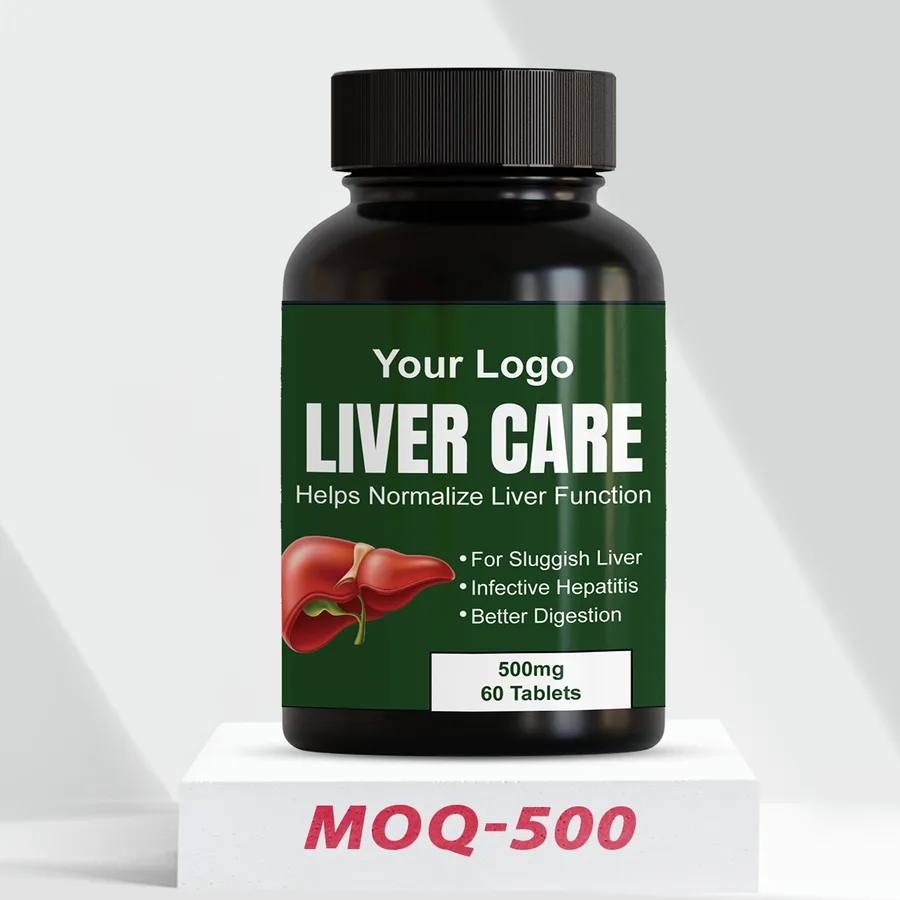
What cannot: that a product detoxifies the liver, removes fat, repairs damage, or changes liver function test values. Those are medicinal claims, and we decline artwork that makes them.
And the caution we think matters: if you have a known liver problem, do not start any herbal supplement without telling your doctor. Case reports associating herbal products with liver injury exist, we have written about the giloy literature specifically. It is a strange risk to take with the organ you are worried about.
What about triphala and psyllium?
These appear in cleanse products and they do something real, but it is worth being precise about what.
Triphala and psyllium act on bowel regularity. People taking them notice an effect within days, and feel lighter and less bloated.
That is a genuine benefit and a reasonable thing to sell. It is not liver detoxification. The felt effect comes from the gut, not the liver, and conflating the two is how a legitimate product acquires an illegitimate claim.
We say this on our own cleanse product because it is the honest description, and because a customer who understands what they are buying is less likely to be disappointed.
A note on the word itself
Commercially, “detox” is not going away. It has enormous search volume and cultural traction in India, where the idea of a seasonal cleanse is long-established.
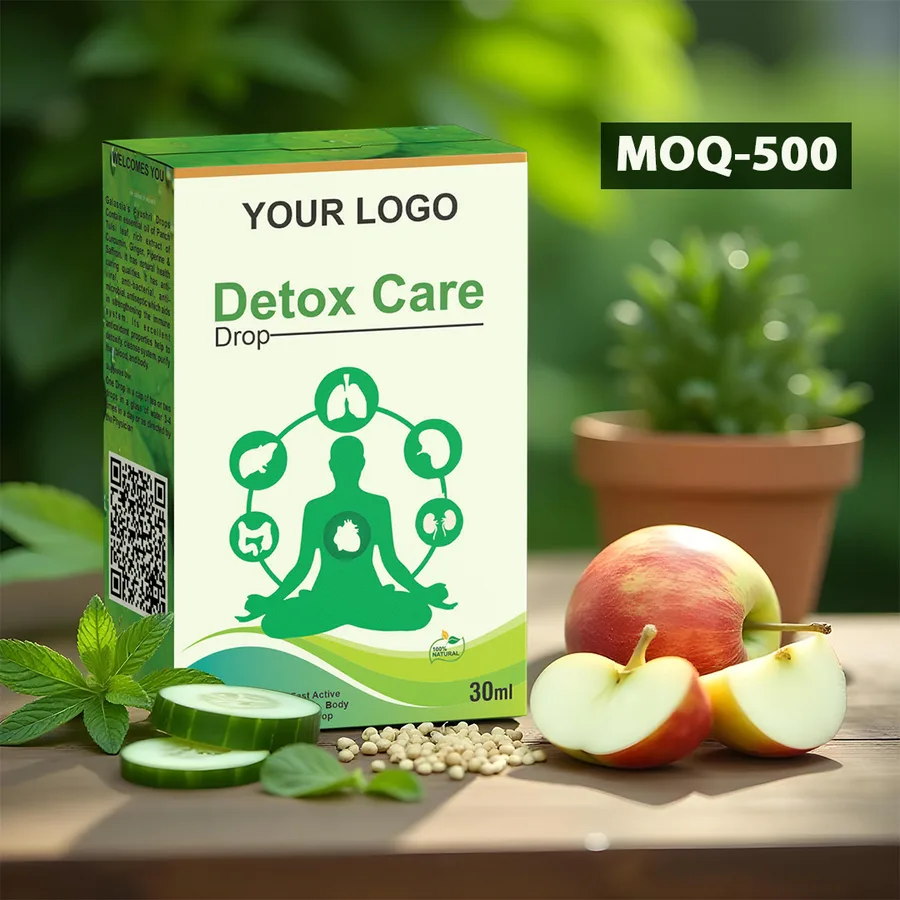
Our position: general wellness positioning using the word is widely used and broadly accepted. What is not acceptable is claiming a product removes specific toxins, treats a liver condition, or reverses damage.
If you are formulating in this category, build the copy on what triphala and psyllium genuinely do, regularity, comfort, a lighter feeling, rather than on toxin mythology. It is more defensible and, in our experience, more convincing to a customer who has heard the mythology before.
If you are worried about your liver
Do this instead of buying a cleanse:
- Get tested. LFT and an abdominal ultrasound. Note that LFT can be normal in fatty liver, which is why the ultrasound matters.
- Be honest about alcohol with your doctor.
- Check hepatitis B and C if you have risk factors.
- Address weight and sugar rather than fat intake specifically.
- Review your medications and supplements with your doctor.
That costs about what a month of cleanse products costs and tells you something true.
The short version
The liver does detoxify, two well-described biochemical phases, running continuously. What it does not do is accumulate toxins awaiting a flush. Fatty liver accumulates fat, and that responds to alcohol, sugar, weight and activity rather than to any product.
Triphala and psyllium work on your bowel, not your liver, and saying so plainly is the difference between a legitimate product and an overclaiming one.
Composition detail: Livaroo 360. Hindi version on symptoms: लिवर की कमज़ोरी के लक्षण.
Get our product list and minimum orders
Leave your email and we will send the formats we make, the minimum order for each and typical lead times. We use it only to reply to you.
Manufacturing in this category?
We make products in this category for other people's brands. Tell us the format and volume and we will send a specification and a per-unit cost.
Request a quotation ↗NutraHerbal manufactures food supplements, Ayurvedic proprietary medicines and cosmetics for business customers. Product information on this site describes composition, format and commercial positioning for brand owners. It is not medical advice, does not claim to diagnose, treat, cure or prevent any disease, and is not a substitute for consulting a qualified practitioner. Final label claims are the brand owner's responsibility and must be approved for the destination market.
How we write and review content: editorial policy.