Reviewed for accuracy and claims compliance: Claims compliance review
We sell skin products. If a customer told us they would only do one thing for their skin, we would tell them to use sunscreen daily and skip everything else we make.
That is not modesty. It is that in this entire category, sunscreen is the single intervention with the strongest evidence behind it, and in India it is also the most skipped.
This is information, not medical advice. A mole that changes in size, shape or colour, or a sore that does not heal, needs a doctor regardless of what you use.
What UV actually does
Two wavelength ranges matter, and they do different things.
UVB causes sunburn. It is the main driver of DNA damage leading to skin cancer. It varies strongly with time of day and season, and it does not pass through window glass.
UVA penetrates deeper. It drives photoageing, wrinkles, loss of elasticity, and pigmentation, and contributes to cancer risk. It is present throughout daylight hours, varies much less by season, and it does pass through glass.
That last point changes the practical advice. Sitting by a window at work, or driving, exposes you to UVA all day. Drivers in India commonly show more sun damage on the right side of the face, which is a direct demonstration of it.
And visible light matters too, which is newer and particularly relevant here: visible light, including blue light, can worsen pigmentation in darker skin types. This is why tinted and iron-oxide-containing sunscreens perform better for melasma than clear ones, a genuinely useful detail that most sunscreen advice omits.
Why it matters more in Indian skin, not less
The belief is that darker skin does not need sunscreen. There is a grain of truth and a large error.
The grain of truth: more melanin provides some intrinsic protection, and the sunburn threshold is higher. Skin cancer rates are lower in darker-skinned populations.
The error: the most common skin complaints among Indian patients are pigmentary, melasma, post-inflammatory hyperpigmentation after acne, uneven tone, dark patches. And UV and visible light drive all of them.
So for Indian skin, the main case for sunscreen is not cancer prevention. It is this:
Every dark mark you already have gets darker and lasts longer with sun exposure. The acne mark that would fade in three months takes a year. The melasma that was manageable becomes stubborn.
Which means: for anyone spending money on pigmentation treatment, serums, or “glow” products, without daily sunscreen, you are treating and re-causing the same problem. That is the practical argument, and it is a stronger one than anything about wrinkles.
And melasma specifically is extremely common in Indian women, very sun-sensitive, and relapses readily. It is the condition where sunscreen compliance most clearly determines the outcome.
Reading the label
SPF measures UVB protection. SPF 30 blocks roughly 97% of UVB; SPF 50 roughly 98%.
The jump from 30 to 50 is smaller than the numbers suggest, but it provides a margin, because nobody applies the laboratory amount. In real use people apply considerably less than the tested quantity, which means actual protection is lower than the label. So SPF 50 used realistically performs closer to a well-applied SPF 30.
Practical answer: SPF 30 minimum, SPF 50 if you are outdoors much.
UVA protection is the half people ignore, and it is labelled differently by region:
- PA+ to PA++++, the Japanese system, common in Asian products. PA+++ or PA++++ is what to look for
- “Broad spectrum”, US terminology
- A circled “UVA” symbol, EU
- PPD number, higher is better
A sunscreen with high SPF and poor UVA protection is half a product, and for pigmentation it is the wrong half.
Mineral or chemical
Both work. The distinction matters less than people think.
Mineral (physical), zinc oxide, titanium dioxide. Gentler, good for sensitive and reactive skin, and suitable for children. The drawback in India is the white cast on deeper skin tones, which is a genuine reason people stop using it. Tinted mineral formulations solve this.
Chemical (organic filters), avobenzone, octinoxate, octisalate, and newer filters. Cosmetically lighter, no white cast, better for daily wear under makeup. Some filters can sting sensitive skin or eyes.
Hybrid formulations combine both and are often the best compromise.
On the safety question: some chemical filters are absorbed systemically, which prompted regulatory review. Absorption is not the same as harm, no clear harm has been established, and the agencies involved have continued to recommend sunscreen use while further data is gathered. If it concerns you, mineral formulations are a reasonable choice. Not using sunscreen is not.
And a note on “natural” sunscreens: coconut oil, almond oil and similar have negligible SPF and are not sunscreens. Raw zinc oxide paste is not a formulated product. This is not a category for home remedies.
How much, and how often
The amount is where most people fail.
The standard measure is two finger-lengths of product for the face and neck, squeeze along the full length of your index and middle fingers. Most people use a fraction of that.
For the body: roughly a shot glass for full coverage.
Reapplication:
- Every 2–3 hours when outdoors
- After swimming or heavy sweating
- Indoors away from windows, once in the morning is reasonable, this is a realistic concession, and insisting on strict three-hourly reapplication for someone at an office desk is the advice that makes people give up entirely
Timing: apply 15–20 minutes before going out. Last step in your morning routine, after moisturiser, before makeup.
Areas people miss: ears, the back of the neck, the hairline and parting, eyelids, lips (use an SPF lip balm), the back of the hands, and the feet in sandals.
Choosing one you will actually wear
This is the real problem. The best sunscreen is the one you use every day, and in Indian heat and humidity that rules out a lot of good products.
For oily and acne-prone skin: gel, fluid, or “matte” formulations. Look for non-comedogenic. Avoid heavy creams.
For dry skin: cream formulations with hydrating ingredients.
For deeper skin tones: tinted formulations, they avoid the white cast, and the iron oxides in them add visible-light protection, which helps pigmentation. This is the single most useful recommendation for Indian skin.
For sensitive or rosacea-prone skin: mineral.
Under makeup: fluid or gel textures layer better.
For men who will not use a cream: gel and fluid formulations, sold plainly. The compliance problem in Indian men is largely about texture and the perception that it is a cosmetic.
Price: good affordable Indian options exist now and have improved considerably. This is not a category where expensive is necessary.
The objections, answered
“It causes pimples.” Specific formulations do. Gel and fluid non-comedogenic options generally do not. This is a texture problem, not a sunscreen problem.
“It makes me look white/grey.” Mineral on deeper skin. Use tinted or chemical.
“I’ll get vitamin D deficiency.”
Worth addressing properly, because it is a real concern in India where deficiency is common.
In practice, typical sunscreen use does not appear to cause vitamin D deficiency, because people do not apply enough, do not reapply, and do not cover all exposed skin. Studies of regular sunscreen users have generally not found clinically significant reductions.
And the sensible resolution: if vitamin D is a concern, test it and supplement if low, which is the reliable approach anyway, far more so than hoping for incidental sun exposure. Deliberate unprotected sun exposure is an inefficient and damaging way to obtain a nutrient you can take in a measured dose.
“I’m indoors all day.” UVA passes through glass. If you sit by a window, you are exposed.
“It’s winter.” UVA varies much less by season. And at altitude, UV is higher.
“I’m already dark.” Covered above, the issue is pigmentation, and that is worse, not better.
What else genuinely protects
Sunscreen is not the only tool and not the strongest one.
Shade and timing, avoiding peak sun between roughly 10am and 4pm does more than any product.
Clothing, full sleeves, and the dupatta or scarf that is already part of many people’s dress is genuinely effective.
A wide-brimmed hat or an umbrella, which is normal in much of India and works.
Sunglasses with UV protection, for the eyes and the thin skin around them.
And for driving: UV-protective window film, and sunscreen on the right arm and side of the face.
What a product can and cannot claim
We manufacture in this category, so the lines matter.
What is sayable: SPF and UVA protection values as tested; protection against UV-induced pigmentation and photoageing; traditional use of manjistha, aloe vera and amla in Ayurvedic skin preparations.
What is not: prevents skin cancer (a medicinal claim), lightens skin, removes pigmentation, or treats melasma.
And a position we hold firmly: we do not manufacture fairness or skin-lightening products, and we do not accept artwork positioning sun protection as a route to lighter skin. The pigmentation that sunscreen genuinely prevents is a dermatological matter; the fairness market is a different thing, and it has a documented problem with undeclared steroids, hydroquinone and mercury in parts of the Indian market.
If you are formulating sun care for India: the product that is actually needed is a tinted, gel-textured, high-UVA sunscreen in shades that suit Indian skin, because the barrier to use here is cosmetic acceptability, not awareness. That is a real gap and a defensible product.
See a doctor for
- A mole that changes in size, shape, colour or border, or that itches or bleeds
- A sore that does not heal
- A new growing lesion, particularly on sun-exposed skin
- Pigmentation that is spreading or resistant, melasma has treatment beyond sunscreen
- Any reaction to a sunscreen, a specific filter allergy is possible and identifiable
- If you are on photosensitising medication, some antibiotics, diuretics, retinoids and others. Ask, because your sun tolerance may be considerably reduced
The short version
- If you do one thing for your skin, this is it. Strongest evidence in the category.
- In Indian skin the case is pigmentation, not cancer. Every dark mark gets darker and lasts longer with sun exposure.
- Without daily sunscreen, pigmentation treatment is treating and re-causing the same problem.
- SPF 30 minimum, and check UVA, PA+++ or higher, or “broad spectrum”. High SPF with poor UVA is half a product.
- UVA passes through glass. Window seats and driving count.
- Visible light worsens pigmentation in darker skin, tinted and iron-oxide sunscreens perform better for melasma.
- Two finger-lengths for face and neck. Almost everyone uses too little.
- Tinted gel formulations solve the white cast and the texture objection, the most useful recommendation for Indian skin.
- Sunscreen does not cause vitamin D deficiency in practice. Test and supplement instead of seeking sun.
- Shade, clothing, hats and timing do more than any product.
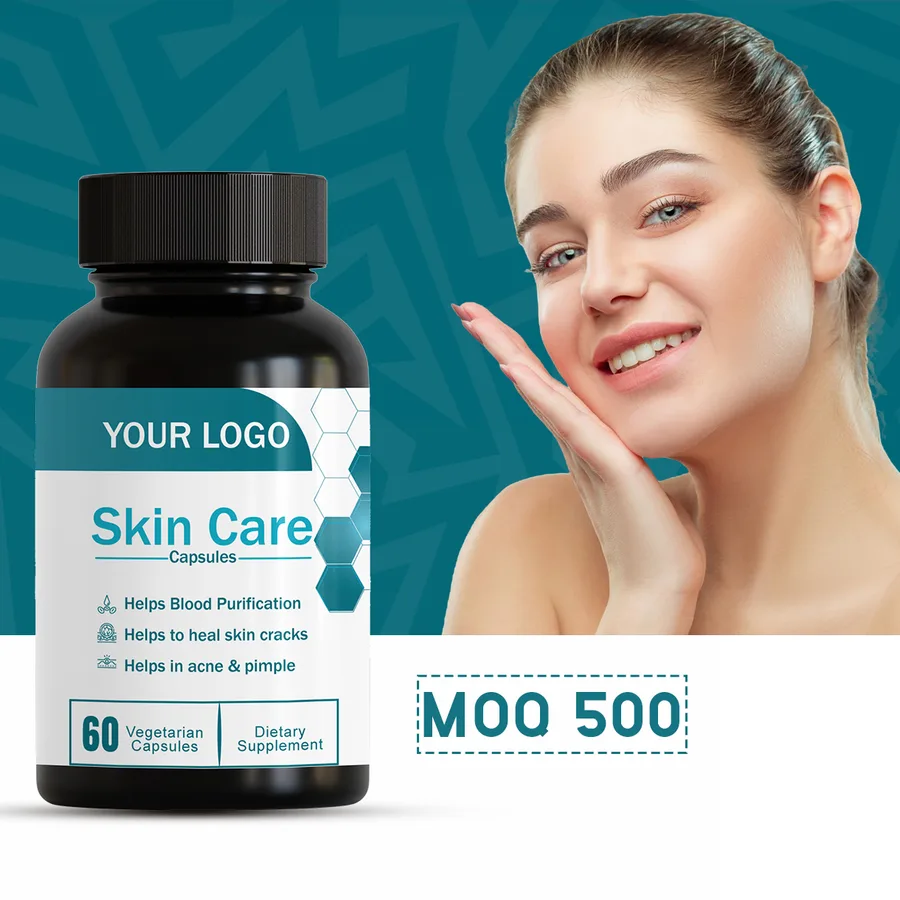
Product detail: Glowo 360 and pigmentation cream. Related: पिगमेंटेशन कैसे हटाएँ.
Get our product list and minimum orders
Leave your email and we will send the formats we make, the minimum order for each and typical lead times. We use it only to reply to you.
Manufacturing in this category?
We make products in this category for other people's brands. Tell us the format and volume and we will send a specification and a per-unit cost.
Request a quotation ↗NutraHerbal manufactures food supplements, Ayurvedic proprietary medicines and cosmetics for business customers. Product information on this site describes composition, format and commercial positioning for brand owners. It is not medical advice, does not claim to diagnose, treat, cure or prevent any disease, and is not a substitute for consulting a qualified practitioner. Final label claims are the brand owner's responsibility and must be approved for the destination market.
How we write and review content: editorial policy.