Reviewed for accuracy and claims compliance: Claims compliance review
Every few months somebody asks us to manufacture a fairness cream. Sometimes it is a new brand that has seen the category numbers. Sometimes it is an existing client wanting to extend a range. The numbers are real, fairness is still one of the largest personal-care categories in India.
We say no. This article explains why, what we make instead, and why the alternative is a better business rather than a moral consolation prize.
What we are actually declining
To be precise, because this gets blurred.
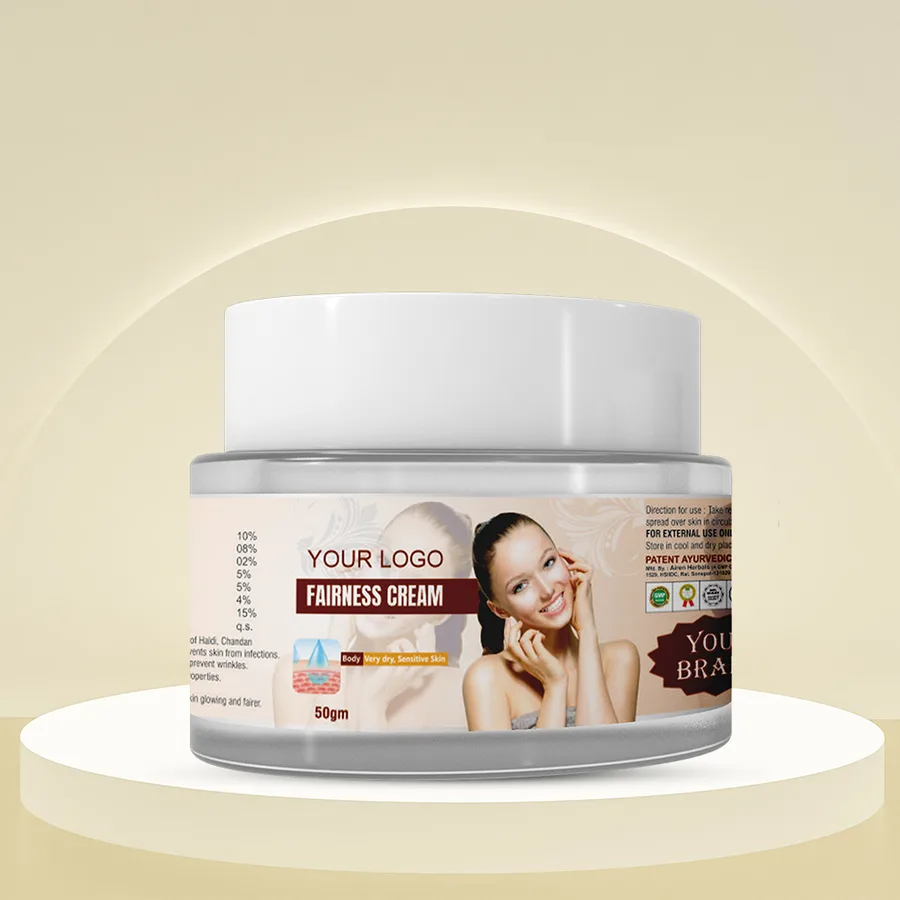
We will not manufacture a product positioned on skin lightening, whitening, fairness, “gora rang”, shade improvement, or anything whose proposition is that lighter skin is better skin.
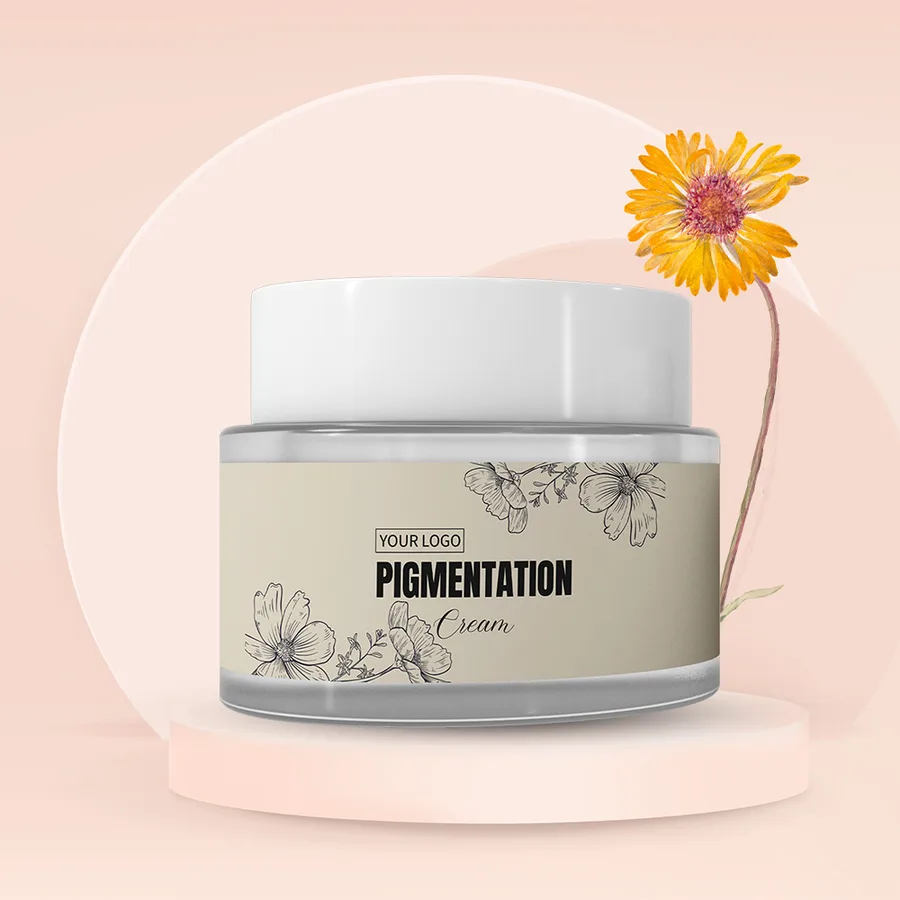
We will manufacture products targeting pigmentation, dark spots, melasma, uneven tone, tanning and dullness. These are specific, addressable concerns with real actives behind them, and the difference is not semantic.
The distinction is between correcting something specific and changing who you are. A customer with post-acne marks on one cheek has a defined concern. A customer being told their natural complexion is a defect does not.
The reasoning, honestly stated
Three reasons, in order of how much they would persuade a business person.
1. The regulatory ground is moving and it is moving one way. Skin-lightening claims have attracted increasing regulatory and advertising scrutiny in India. Platforms have become less tolerant. Large FMCG brands have renamed and repositioned their biggest products in this category, not out of sentiment, but because the risk assessment changed. Building a new brand on a proposition that established players are retreating from is a strange plan.
2. The cultural ground has moved further. The customer segment with the most spending power in beauty right now, urban, 20 to 35, social-media-literate, is substantially more sceptical of fairness marketing than the generation before. Our product pages describe this audience as increasingly ingredient-literate, and that literacy comes with opinions. A fairness launch in 2026 is picking a fight with your own target market.
3. We do not want to. This is the least commercial reason and we are not going to pretend it is absent. Selling people the idea that their skin is a problem to be corrected is a business we would rather not be part of. We mention it last because we recognise it will persuade nobody who was not already persuaded, but leaving it out would be dishonest.
What actually works on the concerns people have
Here is the useful part. Most people asking for “fairness” are describing something more specific, and the specific version has better actives behind it.
Niacinamide (vitamin B3). The best-evidenced tone-evening active available over the counter. 5% is the concentration the research and the market have settled on, and it addresses uneven tone and post-inflammatory marks rather than base complexion.
Vitamin C derivatives. Ethyl ascorbic acid and similar stable forms. Antioxidant, and relevant to dullness and uneven tone.
Kojic acid. An established pigmentation active, typically used at modest percentages.
Liquorice (mulethi) extract. The classical Indian brightening herb, and genuinely used in modern cosmetic formulation for the same purpose. A nice case where tradition and cosmetic chemistry agree.
Manjistha. The classical raktashodhak herb, long associated with skin clarity in Ayurveda.
Sunscreen. The boring one, and the one that matters most. Pigmentation gets worse with sun exposure, and no cream in the world outruns daily UV. If somebody is serious about dark spots and not using sunscreen, the cream is the second priority.
Hydration. Well-hydrated skin looks brighter. That is not a dodge, a large part of what people call “glow” is light reflecting off a well-hydrated surface, which is why hyaluronic acid earns its place in a radiance product.
What we will not formulate with
Hydroquinone. Restricted in cosmetics in many markets and prescription-only in others. We will not put it in an over-the-counter product.
Mercury compounds. Illegal, dangerous, and still found in grey-market lightening products. Worth stating plainly because the trade exists.
Undeclared steroids. The same. Steroid-containing “fairness” creams cause real harm and are a known problem in parts of the market.
If a brand wants any of these, they are not going to get them from us, and they should think hard about who would.
The commercial case for radiance positioning
This is the part that persuades brand owners, so we will be specific.
Bigger addressable audience. A pigmentation and radiance product sells to everyone with dark spots, tanning, post-acne marks or dullness, across every complexion. A fairness product sells to people who have been convinced their complexion is wrong. The first market is larger and growing.
Better claims position. Pigmentation and even-tone claims are defensible with stated actives. Fairness claims are increasingly not. Which means your listings survive, your ads run and your artwork passes review.
Longer customer life. Pigmentation improves slowly over months, which produces a long, predictable reorder cycle. The fairness proposition sets up a comparison the product will always lose, because nobody’s base complexion changes.
Premium pricing is available. Our gold and saffron creams price well above a fairness cream, on kumkumadi and kesar rather than on a promise. Occasion and bridal demand in that segment is substantial and has low price sensitivity.
What this looks like on a label
Available and defensible:
- Reduces the appearance of dark spots and uneven tone
- Supports skin radiance and clarity
- Contains 5% niacinamide, liquorice and manjistha
- Hydrates and improves skin texture
- Traditional use of kumkumadi herbs
Not available:
- Fairness, whitening, lightening, shade improvement
- “X shades lighter in Y days”
- Before-and-after imagery implying complexion change
If you still want to do it
Then you will need a different manufacturer, and we will say so without a lecture. We are not the only plant in India and you are entitled to your commercial judgement.
What we would ask you to consider before you go looking: the categories we have described as genuinely open, pigmentation, post-acne marks, vegetarian collagen, premium kumkumadi, have less competition, better claims safety and a customer who is not going to resent you in five years. The fairness shelf is crowded with enormous brands who are themselves trying to get off it.
Safety notes
- Patch test any new topical, particularly those with active acids.
- Niacinamide is well tolerated; some people experience flushing at higher percentages.
- Use sunscreen alongside any pigmentation product, several actives increase sun sensitivity.
- Persistent or changing pigmentation should be seen by a dermatologist. Some pigmentation has medical causes, and melasma in particular is best managed clinically.
This article is information, not medical advice.
The short version
We make pigmentation, radiance and premium kumkumadi products, and we decline fairness. The specific concerns people actually have, dark spots, tanning, uneven tone, dullness, have better actives behind them, a larger market, a safer claims position and a longer customer life. The fairness proposition is a shrinking shelf that its biggest occupants are trying to leave.
See the pigmentation cream and radiance face cream for compositions, or our claims policy for the full list of what we will not print.
Get our product list and minimum orders
Leave your email and we will send the formats we make, the minimum order for each and typical lead times. We use it only to reply to you.
Manufacturing in this category?
We make products in this category for other people's brands. Tell us the format and volume and we will send a specification and a per-unit cost.
Request a quotation ↗NutraHerbal manufactures food supplements, Ayurvedic proprietary medicines and cosmetics for business customers. Product information on this site describes composition, format and commercial positioning for brand owners. It is not medical advice, does not claim to diagnose, treat, cure or prevent any disease, and is not a substitute for consulting a qualified practitioner. Final label claims are the brand owner's responsibility and must be approved for the destination market.
How we write and review content: editorial policy.