Reviewed for accuracy and claims compliance: Claims compliance review
The logic looks airtight. Iodine deficiency causes hypothyroidism. Therefore someone with hypothyroidism should take iodine.
It is one of the most common and most consequential errors in thyroid self-treatment, and the reason is a feature of the thyroid that almost nothing else in the body shares: both too little and too much iodine cause thyroid disease.
We manufacture in this category. This is why we do not put iodine in a thyroid wellness product.
This is information, not medical advice. Do not start or stop thyroid medication, or add iodine, without your doctor. Thyroid dysfunction in pregnancy particularly needs medical management.
What iodine does
The thyroid makes two hormones, T4 and T3, and iodine is a structural component of both. The numbers in their names are the number of iodine atoms. Without iodine, the hormones cannot be made.
This is why iodine deficiency causes goitre and hypothyroidism, and why severe deficiency in pregnancy causes irreversible developmental harm to the child. Iodine deficiency is a genuinely serious public health problem, and salt iodisation is one of the most successful public health interventions of the last century.
India has had universal salt iodisation for decades, and iodine deficiency has fallen substantially as a result. That success is the context for everything below: the typical Indian hypothyroid patient today is not iodine deficient.
The part the logic misses
Excess iodine also causes thyroid dysfunction. This is well established and it works through several mechanisms.
Iodine-induced hypothyroidism. Large iodine loads can paradoxically suppress thyroid hormone production, an effect known as the Wolff-Chaikoff effect. In most people this is transient as the thyroid adapts, but in people with underlying autoimmune thyroid disease the adaptation often fails, and hypothyroidism results or worsens.
Iodine-induced hyperthyroidism. In people with nodular goitre, particularly older adults from previously iodine-deficient areas, an iodine load can trigger an overactive thyroid.
And the most important one for the Indian context: excess iodine appears to increase the risk of, and worsen, autoimmune thyroiditis. Several populations have shown rising rates of autoimmune thyroid disease following iodisation programmes, and iodine intake is considered a factor.
Why that matters so much here: in India today, the most common cause of hypothyroidism is Hashimoto’s thyroiditis, autoimmune, not iodine deficiency. Which means the single most common thyroid patient in the country is precisely the person in whom extra iodine is most likely to do harm.
So the relationship is U-shaped. Risk rises at both ends. Deficiency is bad; excess is bad. The safe range is in the middle, and most Indians consuming iodised salt are already in it.
Where iodine turns up without you noticing
This is the practical hazard, because people take iodine without intending to.
Kelp, seaweed, bladderwrack. These are the big ones. Kelp supplements can contain very large and highly variable amounts of iodine, sometimes many times the recommended daily intake in a single capsule, and the content is poorly standardised between batches and brands.
“Thyroid support” supplements. Many contain kelp or added iodine, often without the buyer realising. This is the most common route to accidental excess.
Seaweed-based foods eaten regularly, nori, kombu, wakame. Kombu in particular is very high.
Multivitamins, which commonly contain iodine at modest levels.
Betadine and other iodine antiseptics, if used extensively.
Iodinated contrast media for CT scans, a large iodine load, which is why radiologists ask about thyroid disease.
Amiodarone, a heart medication with very high iodine content and well-known thyroid effects.
And animal-derived “glandular” thyroid supplements, these deserve a specific warning. Products containing desiccated animal thyroid tissue may contain actual thyroid hormone, in uncontrolled and undeclared amounts. Taking them alongside prescribed levothyroxine can cause genuine thyrotoxicosis. These are sold online and they are not a wellness product.
Who genuinely needs iodine
Being fair, because deficiency is real and matters:
Pregnant and breastfeeding women have increased requirements, and adequate iodine is critical for fetal brain development. This is managed through a prenatal supplement with an appropriate, measured amount, prescribed by a doctor, not a kelp capsule of unknown content.
People not using iodised salt, those using rock salt, sendha namak, black salt or unprocessed sea salt exclusively, which in India includes people who switch during fasting periods or who prefer “natural” salt.
This is a genuine and growing gap. The move towards rock salt and Himalayan pink salt as healthier options removes the iodine fortification without replacing it, and most people making that switch do not know that iodised salt is fortified at all.
Strict vegans not using iodised salt, since dairy and fish are significant dietary sources.
People in remaining deficiency pockets, which still exist in parts of the country, particularly in the sub-Himalayan belt.
How to tell: iodine status is assessed by urinary iodine, not by a blood test, and it is more useful at a population level than for individuals. In practice, the question for most people is simply: do I use iodised salt? If yes, deficiency is unlikely.
What to do instead if you have hypothyroidism
The honest sequence:
1. Get the diagnosis right. TSH, free T4, and TPO antibodies, the antibody test tells you whether it is autoimmune, which is the most common cause and which changes how you think about iodine entirely.
2. Take levothyroxine as prescribed. It is the treatment. It works, it is inexpensive, and it has been used for decades. There is no herbal equivalent.
3. Take it correctly, on an empty stomach, and four hours away from calcium and iron. We have written about the timing separately, because it is where most dose problems actually originate.
4. Keep using iodised salt. Normal amounts. Do not add iodine beyond that.
5. Check selenium and vitamin D. Selenium has a genuine role in thyroid hormone metabolism and some evidence in autoimmune thyroiditis; vitamin D deficiency is common and frequently co-exists. Both are worth testing.
6. Check B12 and ferritin. Pernicious anaemia and iron deficiency both associate with autoimmune thyroid disease, and both produce the fatigue people blame on their thyroid.
7. Address weight, sleep and activity, these affect how you feel considerably more than any thyroid supplement will.
On the goitrogen question
People with thyroid disease are often told to avoid cabbage, cauliflower, broccoli and soya.
The honest position: these contain compounds that can interfere with thyroid function in large amounts and particularly where iodine intake is inadequate. With adequate iodine and normal culinary quantities, the concern is small. Cooking reduces the effect substantially.
Soya is the one worth a specific note: it does not appear to cause thyroid problems in people with adequate iodine, but it can interfere with levothyroxine absorption. So the practical advice is about timing, keep soya away from your tablet, rather than avoiding soya.
And the general point: avoiding whole vegetable families has a real nutritional cost and a small thyroid benefit. The trade is usually not worth it.
What Ayurveda uses here
For completeness, since this is what our own products are built on.
Kanchnar guggul is the classical formulation most associated with thyroid and glandular swellings, and kanchnar (Bauhinia variegata) is its principal herb.
Guggul has preclinical work suggesting effects on thyroid function, with little human data.
Ashwagandha has the most interesting data here, and a specific caution. Some studies have reported increases in thyroid hormone levels with ashwagandha, and there are case reports of thyrotoxicosis. That means it may be relevant for hypothyroidism and is a genuine concern in hyperthyroidism or for anyone already on thyroid medication. If you take thyroid medicine, tell your doctor before starting ashwagandha, your dose may need review.
That caution is rarely printed, and it is the one in this category we think matters most after iodine.
What we will and will not do
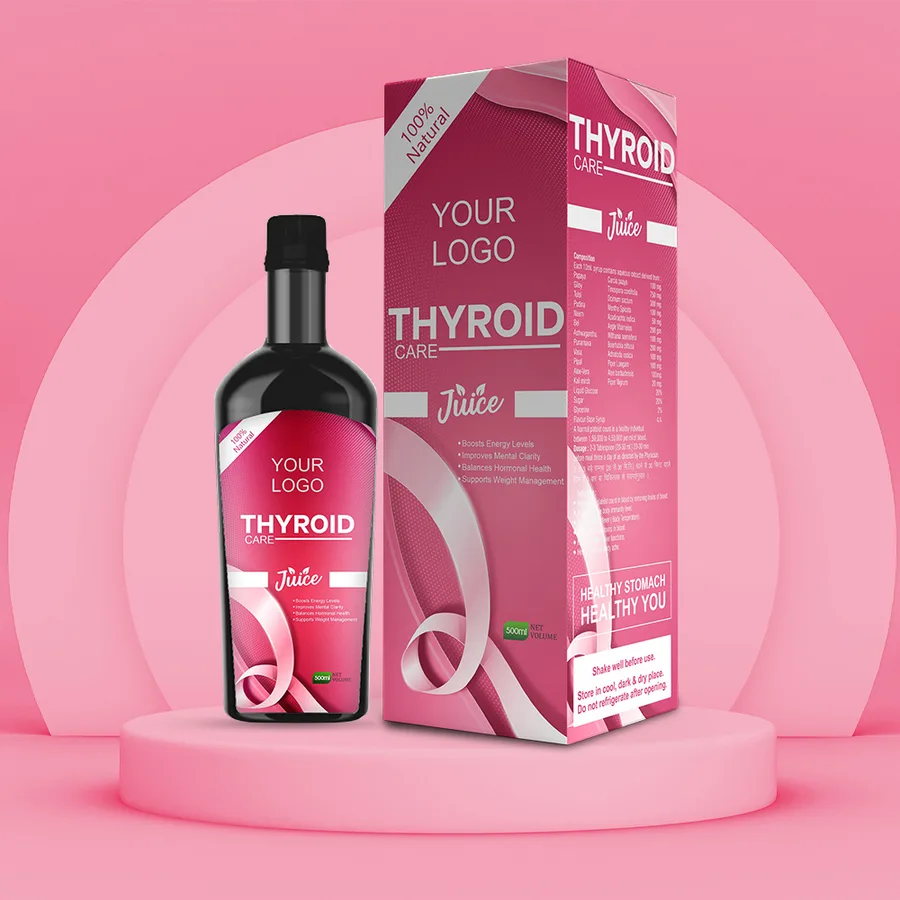
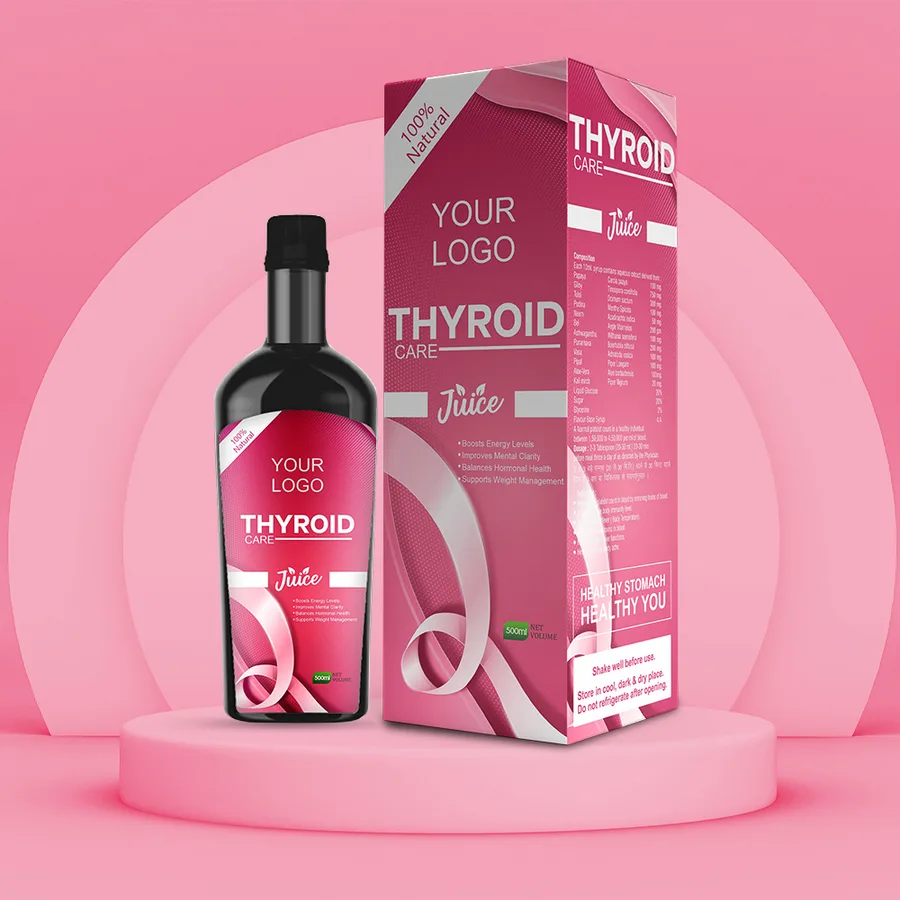
We do not put iodine or kelp in our thyroid wellness product. The reasoning is this article: the most common Indian thyroid patient has autoimmune disease, iodised salt is universal, and in that person added iodine is more likely to harm than help. We would rather omit an ingredient that makes the label look purposeful.
What is sayable: traditional use of kanchnar and guggul in Ayurvedic formulations for glandular health; selenium’s recognised role in normal thyroid function; general wellness support.
What is not: treats hypothyroidism or hyperthyroidism, normalises TSH, reduces thyroid antibodies, replaces thyroid medication, or shrinks nodules. These are medicinal claims and we decline artwork that makes them.
And the line we require: that thyroid conditions need medical management and that anyone on thyroid medication should tell their doctor before adding a supplement. In a category where the alternative is someone stopping levothyroxine, that line is not a formality.
When to see a doctor
Promptly:
- A lump or swelling in the neck
- Difficulty swallowing or a hoarse voice that persists
- Rapid heartbeat, tremor, significant unexplained weight loss, heat intolerance, possible hyperthyroidism
- Significant unexplained weight gain, cold intolerance, marked fatigue, constipation, possible hypothyroidism
- Thyroid symptoms during pregnancy or when planning one
- Any thyroid symptoms after starting a supplement containing kelp or ashwagandha
- Before a CT scan with contrast, if you have thyroid disease
And a specific one: if you have been on the same levothyroxine dose for years without a TSH check, book one. Over-replacement affects bone and heart rhythm over time and produces no symptoms you would notice.
The short version
- Both too little and too much iodine cause thyroid disease. The relationship is U-shaped, not linear.
- India has had universal salt iodisation for decades. The typical Indian hypothyroid patient is not iodine deficient.
- The most common cause of hypothyroidism in India is autoimmune (Hashimoto’s), and that is exactly the person in whom extra iodine is most likely to do harm.
- Kelp and bladderwrack supplements can contain enormous, variable amounts of iodine. Check “thyroid support” labels for them.
- Animal glandular thyroid supplements may contain real thyroid hormone in undeclared amounts. Avoid them.
- Switching to rock or pink salt removes iodine fortification, a real and growing gap most people do not know about.
- Pregnancy needs adequate iodine, through a prescribed prenatal, not a kelp capsule.
- Ashwagandha can raise thyroid hormone levels. Tell your doctor if you are on thyroid medication.
- Goitrogens in normal cooked quantities are not the problem. Soya’s real issue is interfering with your tablet’s absorption, a timing matter.
- Levothyroxine is the treatment. Check selenium, vitamin D, B12 and ferritin alongside it.
Product detail: Thyroo 360. On timing: thyroid medication ke saath supplements ka timing.
Get our product list and minimum orders
Leave your email and we will send the formats we make, the minimum order for each and typical lead times. We use it only to reply to you.
Manufacturing in this category?
We make products in this category for other people's brands. Tell us the format and volume and we will send a specification and a per-unit cost.
Request a quotation ↗NutraHerbal manufactures food supplements, Ayurvedic proprietary medicines and cosmetics for business customers. Product information on this site describes composition, format and commercial positioning for brand owners. It is not medical advice, does not claim to diagnose, treat, cure or prevent any disease, and is not a substitute for consulting a qualified practitioner. Final label claims are the brand owner's responsibility and must be approved for the destination market.
How we write and review content: editorial policy.