Reviewed for accuracy and claims compliance: Claims compliance review
Ashwagandha is India’s best-selling herbal supplement, it has the most credible evidence base of any herb in common use here, and it is widely treated as something anyone can take indefinitely.
That last part is where the problem is. This article is the list of people who should not take it, and the interactions that matter, including one that almost no Indian label mentions.
We manufacture ashwagandha products. This is what we think a customer should know before buying one.
This is information, not medical advice. If any of these apply to you, speak to your doctor rather than deciding from an article.
Should not take it
Pregnancy
Avoid.
Classical Ayurvedic sources place ashwagandha among herbs to be avoided in pregnancy, and some texts associate it with abortifacient potential. Modern controlled safety data in pregnancy does not exist.
And this matters practically because ashwagandha is taken by a great many women for stress and sleep, including women who are trying to conceive. If you are planning a pregnancy, review it before rather than after, the earliest weeks are the ones you do not know about.
Breastfeeding, not adequately studied; ask your doctor.
Hyperthyroidism
Avoid. See the thyroid section below, the direction of effect is wrong for this condition.
Autoimmune disease, ask first
Rheumatoid arthritis, lupus, Hashimoto’s thyroiditis, multiple sclerosis, psoriasis, inflammatory bowel disease.
Ashwagandha has reported immunomodulating activity. In a condition where the immune system is already attacking the body, stimulating it is at best unpredictable.
The evidence here is largely theoretical rather than a documented pattern of harm, but it is a reasonable caution and it is the standard advice.
On immunosuppressants
Transplant recipients, and anyone on tacrolimus, cyclosporine, mycophenolate, azathioprine, or biologics.
This one is firmer. The whole purpose of the medication is to suppress immune activity; adding something with immunostimulating properties works against it, and the consequence in a transplant recipient could be graft rejection.
Specialist approval only.
Children
Not adequately studied. Paediatrician’s advice only.
The interaction almost nobody prints: thyroid
This is the most important section and the most neglected.
Multiple studies have reported increases in thyroid hormone levels with ashwagandha, and there are case reports of thyrotoxicosis associated with it.
Which produces three distinct situations:
If you have hyperthyroidism, ashwagandha pushes in the same direction as the disease. Avoid.
If you take levothyroxine for hypothyroidism, the combined effect can push your levels higher than intended. Your dose may need review. Tell your doctor before starting, and know the symptoms of over-replacement: fast or irregular heartbeat, tremor, sweating, heat intolerance, weight loss, insomnia, anxiety.
If you have subclinical or undiagnosed thyroid disease, which is common, you may not know which situation you are in.
Why this matters so much in India specifically: ashwagandha is the country’s best-selling herb, hypothyroidism is very common, and the two populations overlap heavily. A woman on levothyroxine who starts ashwagandha for sleep is an entirely ordinary scenario, and the interaction is essentially never mentioned at the point of sale.
We require this caution on our artwork. Most of the category does not.
Other interactions
Sedatives and central nervous system depressants
Benzodiazepines, zolpidem and other sleep medicines, some antidepressants, antiepileptics, anaesthetics, and alcohol.
Ashwagandha can add to sedation. In an older adult, extra sedation means falls, and a hip fracture is a life-changing event. This is the interaction with the most likely real-world harm after thyroid.
Avoid combining with alcohol.
And stop before surgery, tell your anaesthetist.
Diabetes medication
Ashwagandha may lower blood sugar. Combined with metformin, sulfonylureas or insulin, monitor more closely and tell your doctor. Know hypoglycaemia symptoms.
Blood pressure medication
May lower blood pressure. Watch for dizziness on standing.
Thyroid medication
Covered above.
Prostate cancer and hormone-sensitive conditions
Ashwagandha has been studied in the context of testosterone, with some studies reporting increases. In hormone-sensitive prostate cancer, or on androgen deprivation therapy, this is a conversation for the oncologist.
Blood thinners
Some reports of antiplatelet effects. Mention it if you are on warfarin, clopidogrel or similar.
Side effects
Generally well tolerated. The reported ones:
Gastrointestinal upset, the most common by far. Nausea, loose stools, abdominal discomfort. Usually solved by taking it with food rather than stopping.
Drowsiness, which may be the point, or may be unwelcome in the morning.
Paradoxical alertness in some people, which is worth knowing if you are taking it for sleep.
Headache.
Nasal congestion in some people.
Allergic reaction, it is in the nightshade family.
Liver injury, the honest picture
This needs stating carefully, because it is real and it is uncommon.
Case reports of liver injury associated with ashwagandha-containing products have been published, and several regulatory authorities have taken note. Some national authorities in Europe have issued advisories relating to it.
What the picture looks like: typically a cholestatic or mixed pattern, appearing weeks to months into use, usually resolving after stopping, but with reported cases of significant severity.
What is unclear: whether the herb itself, a contaminant, an adulterant, a particular extract type, or a host factor is responsible. Indian market adulteration and heavy metals are a plausible contributor in at least some cases.
The sensible conclusions:
- It is uncommon, against very widespread use
- It is a reason for a defined course rather than indefinite daily use, we recommend 8–12 weeks, then a break
- It is a reason not to take it if you already have liver disease without asking your doctor
- It is a reason to stop and seek advice if you develop jaundice, dark urine, pale stools, unusual fatigue, nausea or right upper abdominal discomfort while taking it
- And it is a reason to buy tested material, which is the point below
What it is not: a reason for the general dismissal of a herb with a reasonable evidence base. Both overstating and dismissing this would be wrong.
Quality, which is a safety question here
Because ashwagandha is the highest-volume herbal product in India, the incentive to adulterate is correspondingly high.
What to check:
“Root extract” on the label. Most research is on the root. Cheaper material sometimes includes leaf, which has a different withanolide profile. The label should say root.
Withanolide percentage. Without a stated percentage, nothing has been measured. “Ashwagandha extract 500 mg” with no marker is not comparable to a standardised extract.
Batch-wise heavy metal testing, with numbers. Ashwagandha is a root, it grows in soil, and it takes up what is there.
Microbial testing.
Botanical identity, Withania somnifera.
FSSAI or AYUSH licence number on the label.
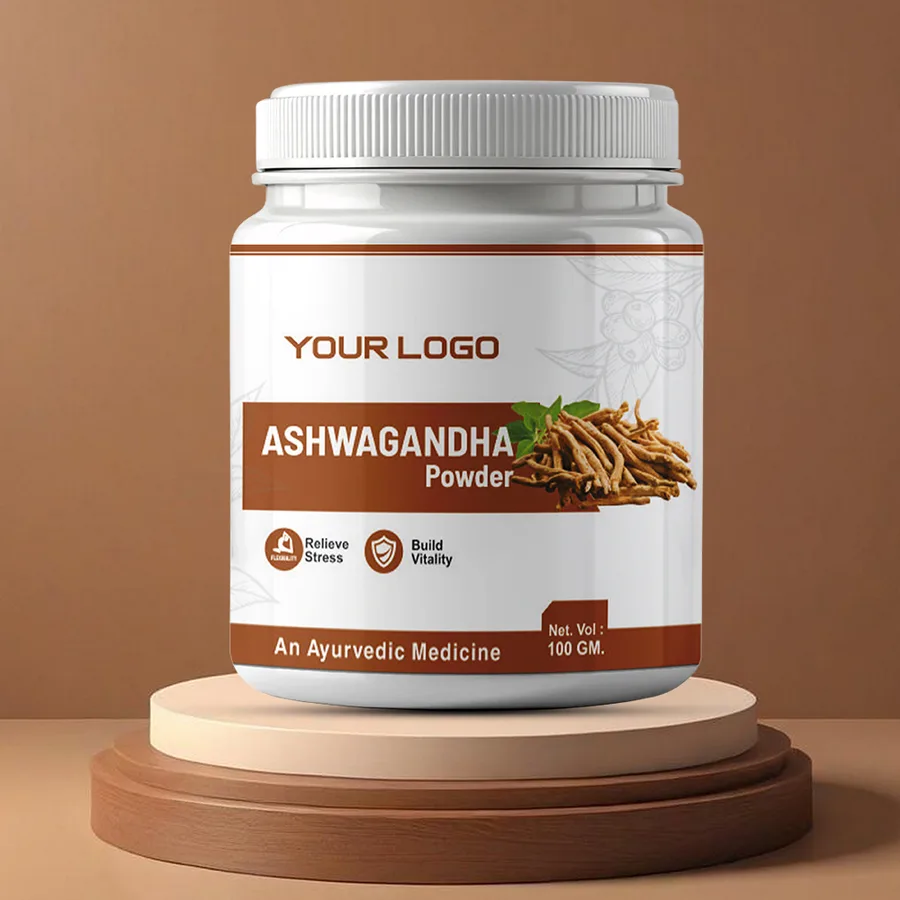
And on churna specifically: the traditional powdered root is inexpensive and legitimate, and it is also the form where adulteration is hardest to detect and standardisation does not exist. Buy it from a supplier who will produce testing documentation.
How long to take it
A question with commercial pressure behind it, so here is our position.
Trials generally ran 8 to 12 weeks. Long-term human safety data beyond that is limited.
Our recommendation: a defined course of 8–12 weeks, then a break, then repeat if needed and if it helped.
Not indefinite daily use, which is how most of the category is sold, and the liver signal above is part of why.
And judge it honestly at the end of the course. If 12 weeks produced no difference in sleep or stress, continuing has no basis.
What it is genuinely good for
To be fair, since this article is almost entirely cautionary.
Ashwagandha has the best evidence base of any herb in common Indian use. Multiple randomised controlled trials for stress, anxiety and sleep quality, generally with positive results, some with cortisol findings.
The limitations belong with that: trials are small, many are industry-funded, and most outcomes are self-reported questionnaires rather than objective measures.
So: promising and genuinely better-supported than most of this category, not settled.
What is sayable: traditional use as a rasayana; support for mental calm and sleep quality; general wellness.
What is not: treats anxiety or depression, cures insomnia, increases testosterone, treats infertility, or treats any diagnosed condition. These are medicinal claims and we decline artwork that makes them.
See a doctor if
Stop and seek advice if you develop:
- Jaundice, dark urine, pale stools, the liver signal
- Unusual fatigue with nausea or right upper abdominal discomfort
- Fast or irregular heartbeat, tremor, sweating, unexplained weight loss, possible thyroid effect
- Marked drowsiness affecting driving or work
- Any rash or allergic reaction
- Symptoms of low blood sugar, if diabetic
Ask before starting if you:
- Are pregnant, breastfeeding or planning a pregnancy
- Take thyroid medication
- Have hyperthyroidism
- Have an autoimmune condition or take immunosuppressants
- Take sedatives, sleep medicines or antidepressants
- Take diabetes or blood pressure medication
- Have liver disease
- Are scheduled for surgery
- Have hormone-sensitive cancer
The short version
- Avoid in pregnancy, classical sources and absent safety data. Review it before conceiving.
- Avoid in hyperthyroidism.
- If you take levothyroxine, tell your doctor. Ashwagandha can raise thyroid hormone levels, and this interaction is almost never printed on Indian labels.
- Autoimmune disease, ask first. On immunosuppressants, specialist approval only.
- Adds to sedation with sleep medicines, benzodiazepines, antidepressants and alcohol. In older adults that means falls.
- Monitor if on diabetes or blood pressure medication. Stop before surgery.
- Gastrointestinal upset is the common side effect, take it with food.
- Some people get alertness rather than drowsiness, relevant if you take it for sleep.
- Liver injury has been reported, uncommonly. Stop and seek advice for jaundice or dark urine. Don’t take it with existing liver disease without asking.
- Check for “root extract” and a withanolide percentage, and ask for batch heavy metal testing.
- 8–12 weeks, then a break, not indefinite daily use.
- It has the best evidence of any herb in common Indian use, and that evidence is promising rather than settled.
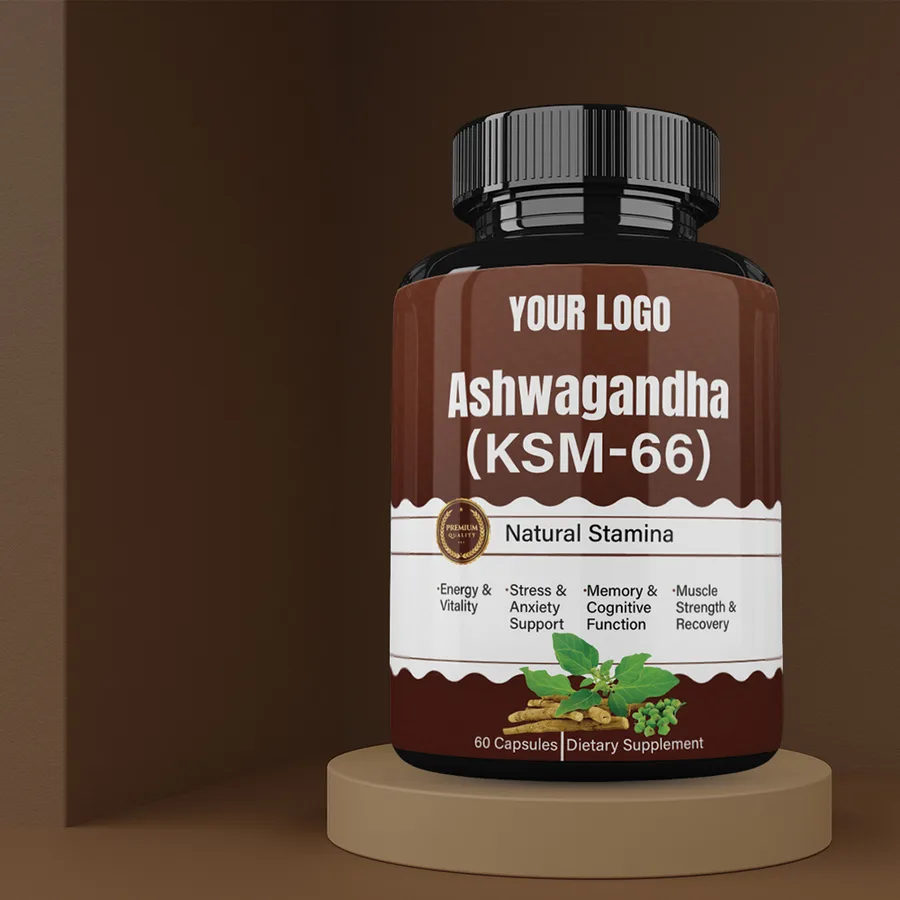
Product detail: ashwagandha capsule and the ashwagandha ingredient page. On timing: subah ya raat?. On the thyroid side: thyroid medication ke saath timing.
Get our product list and minimum orders
Leave your email and we will send the formats we make, the minimum order for each and typical lead times. We use it only to reply to you.
Manufacturing in this category?
We make products in this category for other people's brands. Tell us the format and volume and we will send a specification and a per-unit cost.
Request a quotation ↗NutraHerbal manufactures food supplements, Ayurvedic proprietary medicines and cosmetics for business customers. Product information on this site describes composition, format and commercial positioning for brand owners. It is not medical advice, does not claim to diagnose, treat, cure or prevent any disease, and is not a substitute for consulting a qualified practitioner. Final label claims are the brand owner's responsibility and must be approved for the destination market.
How we write and review content: editorial policy.