Reviewed for accuracy and claims compliance: Claims compliance review
We manufacture a product with “cleanse” in its name. That is the reason to write this carefully rather than to avoid it.
The case against gut detoxes is not that they do nothing, some of them do quite a lot, and not all of it good. It is that the things they claim to do are not things the gut needs done, and the things the gut actually needs are slow and unglamorous.
This article goes claim by claim, with the mechanism each time.
This is information, not medical advice. Persistent digestive symptoms need a diagnosis, and a cleanse is the most common way that diagnosis gets delayed.
First: what the gut actually does
You cannot judge a detox claim without this, and it is rarely stated.
1. It is a barrier. A single layer of epithelial cells, sealed by tight junctions, covered by a mucus layer, backed by the largest concentration of immune tissue in the body. It decides what gets in.
2. It hosts the microbiome, a large and individual community of bacteria, mostly in the colon, which ferments fibre into short-chain fatty acids, makes some vitamins, and trains the immune system.
3. It has its own nervous system, the enteric nervous system, with a very large number of neurons, communicating with the brain in both directions. This is why stress produces real gut symptoms and gut problems produce real mood effects.
4. It moves things along, motility, by coordinated muscle waves, regulated by nerves, hormones and the microbiome.
5. It absorbs nutrients, selectively, across an enormous surface area.
6. And it handles waste continuously. There is no store of accumulated residue waiting to be flushed. Transit happens every day.
Now hold each detox claim against that list.
Claim: “it removes toxins”
Which toxins?
This is a fair question and there is never an answer. Detox marketing does not name a substance, give a measurement, or show a before-and-after level of anything. A claim that cannot be measured cannot be checked, and that is the point of it.
What actually handles foreign substances: the liver (two phases of enzymatic modification), the kidneys, the lungs, the gut’s own efflux transporters and immune tissue. These run continuously and they are not waiting for a juice.
Where there are real toxins, paracetamol overdose, lead, organophosphates, alcohol, the treatment is specific, medical and urgent. None of it is a cleanse.
Claim: “it clears years of accumulated waste from the colon”
This is the oldest claim in the category and it describes something that does not exist.
The idea of hardened faecal plaque coating the bowel wall is not seen at colonoscopy. Doctors look inside the colon routinely. It is not there.
What a strong laxative does produce is a large volume of stool and water, which looks like proof and is simply the laxative working.
And the colon’s actual job is reabsorbing water from what passes through. A cleanse interferes with that job rather than assisting it.
Claim: “it resets the microbiome”
This one is worth taking seriously, because the microbiome genuinely matters. And the timeline is the problem.
What is established: diet changes the microbiome’s composition measurably, and it can begin shifting within days.
And also established: it reverts. When the diet goes back, so largely does the community. Your individual microbiome is quite resilient and substantially shaped over years, by early life, antibiotics, genetics, geography and habitual diet.
So a three-day juice cleanse does produce a change, and it is a transient one. The thing that actually changes a microbiome durably is what you eat most weeks of most years, which is fibre, variety, and fermented foods.
And the active ingredient is boring: fibre diversity. Different fibres feed different organisms. Thirty different plant foods a week does more for your microbiome than any cleanse, and that includes dals, millets, vegetables, fruit, nuts, seeds and spices, which an Indian kitchen is unusually well set up to deliver.
And a detox that removes fibre-rich solid food in favour of juice is working against the microbiome, not for it. Juicing removes most of the fibre. That is the central irony of the category.
Claim: “it heals leaky gut”
The underlying science here is real and the commercial version is not.
Intestinal permeability is a genuine, measurable property, and increased permeability has been observed in coeliac disease, inflammatory bowel disease, severe infection, cirrhosis and heavy alcohol use.
What is not established is that “leaky gut” is a standalone diagnosis causing fatigue, acne, joint pain, brain fog and weight gain in otherwise healthy people, and whether increased permeability is a cause of disease or a consequence of it is still being worked out.
And the practical problem: “leaky gut” is used as an explanation for a long list of symptoms that have their own real causes. Fatigue can be iron deficiency, B12 deficiency, thyroid disease or sleep apnoea. Joint pain can be inflammatory arthritis. Each is testable.
So the harm is not the theory. It is the substitution, a label that feels explanatory, sold with a protocol, instead of the tests that would find what is actually wrong.
Claim: “bloating means toxins”
Bloating has causes, and they are findable.
Common ones: constipation, swallowed air, lactose intolerance (very common in much of India), fructose or FODMAP sensitivity, small intestinal bacterial overgrowth, coeliac disease, gastroparesis, and IBS.
And in women, ovarian pathology can present as persistent bloating, which is one of the specific reasons persistent bloating should be looked at rather than cleansed.
These have different treatments. A cleanse treats none of them and delays all of them.
Claim: “it is natural, so it is safe”
This is where the article becomes a safety piece rather than a myths piece, because cleanses do cause harm.
Stimulant laxative dependence. Senna, cascara and aloe latex are stimulant laxatives. Prolonged regular use leads to tolerance and a gut that moves poorly without them. Many “detox teas” are senna with branding, and the label does not always say so clearly.
Electrolyte disturbance. Sustained diarrhoea loses potassium and sodium. Low potassium causes muscle weakness and cardiac rhythm problems, and the risk is higher in older people, in anyone on diuretics, and in kidney or heart disease.
Dehydration.
Colonic irrigation carries documented risks: bowel perforation, infection from inadequately sterilised equipment, and electrolyte shifts. These are not theoretical.
Interference with medication. Accelerated transit reduces absorption, and this matters most for oral contraceptives, thyroid replacement, anti-epileptics, immunosuppressants and anticoagulants.
Juice-only regimes are high in oxalate (spinach, beetroot), a kidney stone risk, and genuine cases of oxalate nephropathy from juice cleanses have been reported. They are also low in protein.
Unlabelled contents. Some “herbal” cleanse products have been found to contain undeclared pharmaceutical laxatives or diuretics. A product that works dramatically in a day is a reason for suspicion, not confidence.
And heavy metals, a recurring, documented problem across herbal products in this market.
What the gut actually responds to
The unglamorous list, which is where the evidence is.
1. Fibre, in quantity and variety. Most people in urban India eat less than recommended. Dals and legumes daily, whole grains, bajra, jowar, ragi, barley, vegetables, fruit with skin where edible, nuts and seeds.
Increase it gradually with water, or you will get exactly the bloating you were trying to fix.
2. Fermented foods. Curd, buttermilk, idli and dosa batter, kanji, dhokla, pickles made by fermentation rather than vinegar. India’s own food culture is strong here.
3. Water, enough that fibre works rather than solidifies.
4. Movement. Walking improves transit, reliably.
5. Sleep and stress. The gut-brain axis is bidirectional and this is not a soft point, it is why IBS responds to stress and why gut-directed psychological therapies have evidence.
6. Not smoking, and limiting alcohol.
7. Antibiotics only when needed, they do disturb the microbiome, and recovery takes months.
8. And time. Months, not days. Which is precisely why the three-day protocol sells better.
Where a product honestly fits
Fibre supplements, psyllium has reasonable evidence for constipation and is a bulk-forming agent, not a stimulant. Take it with enough water.
Probiotics, strain-specific, and the strain and CFU count should be stated. Evidence is best for particular strains in particular situations (antibiotic-associated diarrhoea among them), not for “gut health” in general. We do not currently make one, and a label that says only “probiotic blend” without naming strains is not telling you anything.
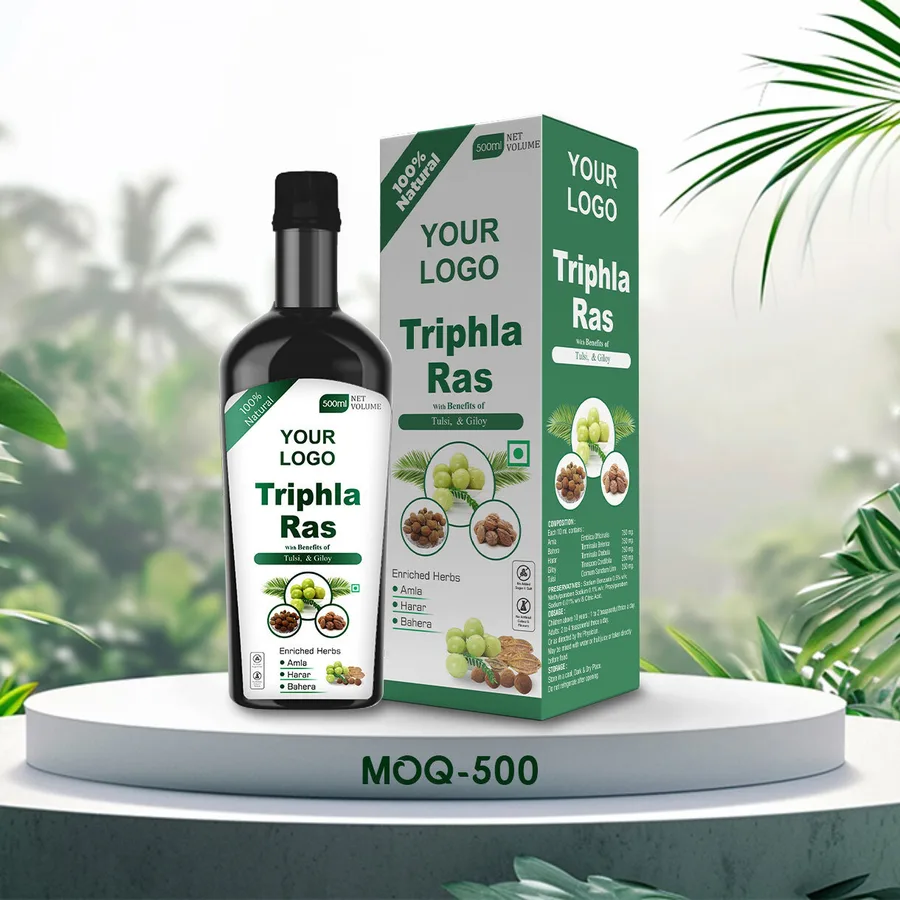
Occasional, not daily, laxative use where needed, and triphala’s traditional use in this area is long. Our position is that no laxative, herbal included, belongs in daily indefinite use.
Correcting a deficiency that a test has found.
And that is the honest list. It is short.
What to ask for a diagnosis instead
If you are considering a cleanse because something is wrong, these are the things worth asking about.
| Test | Why |
|---|---|
| Haemoglobin and ferritin | Iron deficiency with gut symptoms suggests coeliac disease or blood loss |
| Coeliac serology | Must be done while still eating gluten, this is the commonest mistake |
| TSH | Thyroid affects motility in both directions |
| Vitamin B12 | |
| Stool test | Parasites, H. pylori, blood |
| Lactose or FODMAP assessment | Lactose intolerance is very common here |
| Colonoscopy / endoscopy | Where indicated, and what actually shows there is no plaque |
And the critical sequencing point: do the coeliac test before removing gluten, not after. A gluten-free trial first makes the test unreliable and the diagnosis much harder.
Claims, our own boundary
What is sayable: fibre’s recognised contribution to normal bowel function where the product qualifies; the recognised roles of specific nutrients; and traditional-use statements for triphala, haritaki, ajwain, jeera and similar classical ingredients, framed as traditional use.
What is not sayable: detoxifies, removes toxins, cleanses the colon, heals leaky gut, resets the gut, or flushes waste. These are either medicinal claims or claims no evidence supports, and we decline artwork carrying them.
On our own product name: “Cleanovo” is a brand name, and we will not let the name do claim work the label cannot. The pack describes a fibre-and-herbal formulation with traditional-use statements, and it does not claim to detoxify anything. If a client wants the detox language, we say no, and we have lost enquiries over it.
And the thing we will not make at all: a stimulant-laxative product sold as a daily wellness or weight product. That is where the real harm in this category sits.
When to see a doctor
Urgently:
- Blood in the stool, or black tarry stool
- Unintentional weight loss
- Persistent vomiting, or vomiting blood
- Severe abdominal pain
- Difficulty swallowing
- A new persistent change in bowel habit over 45, particularly with any of the above
Soon:
- Persistent bloating, especially in women, and especially if new
- Diarrhoea lasting more than two weeks
- Constipation that has not responded to fibre, water and movement
- Iron deficiency with gut symptoms, ask about coeliac disease
- A family history of bowel cancer or inflammatory bowel disease
- Night symptoms that wake you, this distinguishes organic disease from functional
- If you are using any laxative regularly, herbal included
The short version
- Name the toxin. Detox marketing never does, and a claim that cannot be measured cannot be checked.
- The liver, kidneys and gut run continuously. They are not waiting.
- Accumulated colon plaque does not exist, colonoscopy shows the wall.
- A big laxative output is the laxative working, not evidence of stored waste.
- Diet does shift the microbiome within days, and it reverts. Durable change takes years of habit.
- The active ingredient is fibre diversity, aim for variety, around thirty plant foods a week.
- Juicing removes the fibre. A juice cleanse works against the microbiome.
- Intestinal permeability is real; “leaky gut” as a standalone diagnosis is not established.
- The harm is substitution, fatigue and joint pain have testable causes.
- Persistent bloating has findable causes, including ovarian pathology in women.
- Many detox teas are senna. Stimulant laxatives cause dependence.
- Electrolyte loss is a real risk, higher with diuretics and in heart or kidney disease.
- Colonic irrigation has caused perforation and infection.
- Fast transit reduces absorption of oral contraceptives, thyroid medicine and anticoagulants.
- Juice cleanses are high in oxalate, kidney stone and nephropathy risk.
- Dramatic results in a day suggest an undeclared pharmaceutical.
- What works: fibre, fermented foods, water, walking, sleep, time.
- Psyllium is bulk-forming, not stimulant, and needs water.
- Probiotics are strain-specific. An unnamed “blend” tells you nothing.
- Test for coeliac disease before removing gluten, not after.
- No laxative belongs in daily indefinite use, herbal included.
Product detail: Cleanovo 360. Related: probiotics vs prebiotics plainly explained, fibre, how much, from where, and why it matters, and psyllium husk, how to take it without problems.
Get our product list and minimum orders
Leave your email and we will send the formats we make, the minimum order for each and typical lead times. We use it only to reply to you.
Manufacturing in this category?
We make products in this category for other people's brands. Tell us the format and volume and we will send a specification and a per-unit cost.
Request a quotation ↗NutraHerbal manufactures food supplements, Ayurvedic proprietary medicines and cosmetics for business customers. Product information on this site describes composition, format and commercial positioning for brand owners. It is not medical advice, does not claim to diagnose, treat, cure or prevent any disease, and is not a substitute for consulting a qualified practitioner. Final label claims are the brand owner's responsibility and must be approved for the destination market.
How we write and review content: editorial policy.