Reviewed for accuracy and claims compliance: Claims compliance review
Every October the same cycle starts: the AQI climbs, the air turns grey, and your social feed fills with lung detox teas and miracle remedies.
Almost none of it works. Here is what actually reduces your exposure, ranked by how much difference it makes, because the honest answer is that exposure reduction is the whole game, and nothing you swallow substitutes for it.
This is information, not medical advice. If you have asthma or COPD, your prescribed medication is the priority and nothing here replaces it. Worsening breathlessness needs a doctor, not a supplement.
The thing to understand first
The pollutant that matters most is PM2.5, particles small enough to get deep into the lungs and into the bloodstream. They are too small for your nose and airways to filter effectively.
Two consequences follow, and they explain most of this list:
A cloth mask does nothing. It does not filter particles that size. Neither does a surgical mask, really. You need N95 or equivalent.
Nothing you drink removes deposited particles. There is no detox for this. What you can do is reduce how much gets in.
So the entire strategy is: breathe less of it.
Ranked by actual impact
1. Fix your indoor air, this is the big one
You spend most of your hours indoors, so indoor concentration matters more than outdoor for total exposure.
An air purifier with a HEPA filter works. It is the single most effective purchase available and the measurements are not ambiguous. One good unit in the bedroom, where you spend eight hours, does more than a unit in a large living room you pass through.
Practical points: size it to the room, keep doors and windows shut while it runs, and change the filter when due. A clogged filter is an expensive fan.
Also indoors, and free:
- Kitchen exhaust on, every time you cook. Indian cooking, tadka, roti on an open flame, deep frying, produces substantial indoor particulate. This is a genuinely large source people never think about.
- Stop burning things. Agarbatti, dhoop, mosquito coils and candles all emit particles. Mosquito coils in particular are heavy emitters. Switch to a plug-in vaporiser or a net.
- No smoking indoors. Obviously, and it needs saying.
2. Time your outdoor exposure
Pollution is not constant through the day. In Delhi winter it typically peaks in the early morning and late evening, when cold air traps particles near the ground, and improves somewhat in the afternoon.
So:
- Move your morning walk to the afternoon during bad spells. The 6 am walk, which feels virtuous, is often the worst-timed thing you do all day.
- Check the AQI before exercising outdoors. Above roughly 200, take it indoors. You breathe several times more air during exercise, so a workout in bad air multiplies your dose.
- Avoid busy roadsides. Concentrations near traffic are considerably higher than a few hundred metres away. Walk in a park rather than along the main road.
3. Wear a real mask, properly
N95 or equivalent, anything less does not filter PM2.5.
Fit matters more than the rating. A high-grade mask with gaps at the sides is leaking air around the filter. It should seal against your face. Beards compromise the seal, which is a real and awkward limitation.
Replace when breathing through it becomes noticeably harder.
4. Ventilate strategically
Counterintuitive, so worth being specific: on bad days keep windows shut, and ventilate during the cleaner part of the afternoon if you need to air the house.
This is the opposite of the usual instinct to open windows in the morning.
5. The things that help marginally
- Stay hydrated. Helps keep mucus thin and clearing normally. Modest, real.
- Saline nasal rinse. Can help with nasal irritation and congestion. Use clean, previously boiled or distilled water, not straight tap water.
- Steam. Comfort for irritated airways. Not a cleaning mechanism.
What does not work
Direct, because a lot of money gets spent here.
Lung detox teas and powders. There is no mechanism by which a drink removes deposited particulate from lung tissue. Your airways clear themselves via cilia and mucus; a tea does not reach in and sweep.
Cloth and surgical masks for PM2.5.
Indoor plants as air purification. The research people cite was done in sealed laboratory chambers. The number of plants needed to meaningfully change a real room’s air is in the hundreds.
“Boosting immunity” to counter pollution. Different mechanism entirely. Particulate damage is not an immune deficiency.
Jaggery. The gur belief is widespread in North India and there is no good evidence it clears particulate from lungs. It is fine to eat; it is not a pollution intervention.
Where supplements actually sit
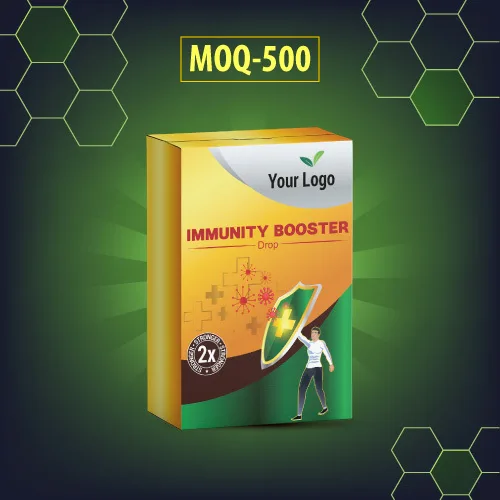
We manufacture respiratory products, so the declaration is made.
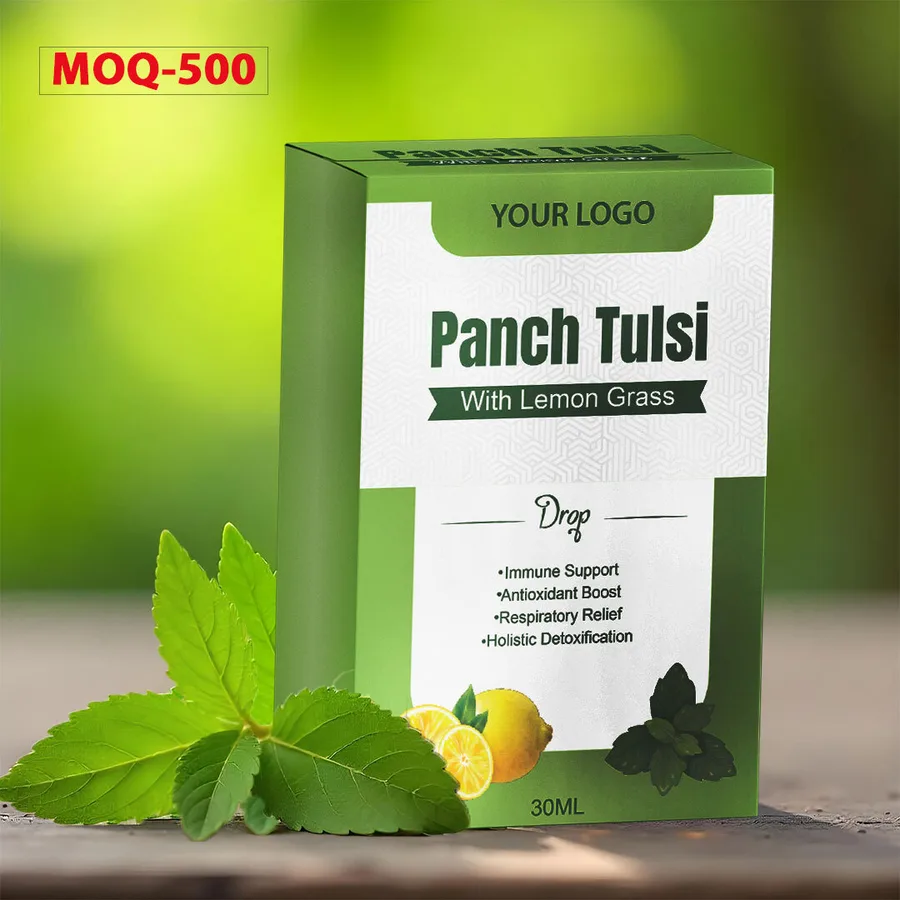
What a respiratory wellness product can honestly offer: traditional use of herbs like vasaka, tulsi and mulethi for throat and respiratory comfort, and general wellness support. Some antioxidant content.
What it cannot do: reduce your exposure, remove particles, or protect you from pollution damage. We decline artwork making those claims, and “protects you from pollution” is not substantiable.
The honest framing: if your throat is irritated and you want something traditional and soothing, these products are for that. They are not armour.
And the caution that matters most: if you have asthma, your inhaler is the priority. Every winter there are cases of people reducing prescribed medication in favour of herbal products and ending up in hospital. Herbal products can sit alongside; they cannot replace.
If you have asthma or COPD
- Take your preventer medication consistently, not just when symptomatic
- Have your reliever with you
- Discuss an action plan with your doctor before the season
- Consider flu vaccination, discuss with your doctor
- Reduce outdoor exposure aggressively on bad days
- Seek help early for worsening symptoms rather than waiting
Children and older adults
Both groups are more affected. Children breathe faster relative to body size, and older adults often have less reserve.
Practical: school outdoor activity on severe days is worth questioning, bedroom air purification is the highest-value intervention for both, and persistent cough in a child during the season should be seen rather than assumed.
A seasonal checklist
| When | What |
|---|---|
| Early October | Buy or service the air purifier; stock filters |
| Early October | Buy N95 masks that fit |
| Through season | Kitchen exhaust every time; stop coils and agarbatti |
| Daily | Check AQI before outdoor exercise |
| Bad days | Windows shut; exercise indoors; mask outdoors |
| If asthmatic | Action plan agreed with your doctor beforehand |
A note for brand owners
If you sell in this category, the ordering window is unforgiving: stock needs to be landed by early October, because demand climbs from late October and a November order sells into January. We cover the full calendar in our seasonal demand guide.
And publish your content in September, not November. By the time people search, the articles that rank were indexed weeks earlier.
The short version
Exposure reduction is everything. A HEPA purifier in the bedroom, kitchen exhaust on, stop burning agarbatti and coils, shift outdoor exercise to the afternoon, and wear a properly fitted N95. Skip the detox teas, there is no mechanism. And if you have asthma, the inhaler is not negotiable.
Composition detail: Oxivo 360. Hindi version: फेफड़ों को साफ़ करने के उपाय.
Get our product list and minimum orders
Leave your email and we will send the formats we make, the minimum order for each and typical lead times. We use it only to reply to you.
Manufacturing in this category?
We make products in this category for other people's brands. Tell us the format and volume and we will send a specification and a per-unit cost.
Request a quotation ↗NutraHerbal manufactures food supplements, Ayurvedic proprietary medicines and cosmetics for business customers. Product information on this site describes composition, format and commercial positioning for brand owners. It is not medical advice, does not claim to diagnose, treat, cure or prevent any disease, and is not a substitute for consulting a qualified practitioner. Final label claims are the brand owner's responsibility and must be approved for the destination market.
How we write and review content: editorial policy.