Reviewed for accuracy and claims compliance: Claims compliance review
Chyawanprash is probably the single most widely consumed Ayurvedic preparation in India, and it is almost never described accurately, either by the brands that sell it or by the people who dismiss it.
It is a classical polyherbal rasayana, built on amla, suspended in a base of sugar or jaggery and ghee. That last part, the base, is the thing most discussions leave out, and it determines who it suits.
We manufacture in this category. This is written as a “who it is for and who it is not for” piece, because that is the useful question.
This is information, not medical advice. If you have diabetes, are managing weight, or are giving it to a young child, the sugar content matters and is discussed below.
What it actually is
The classical formulation is an avaleha, a semi-solid jam-like preparation.
It appears in the Charaka Samhita, with the familiar origin story attached to the sage Chyawana, and it is classified as a rasayana, a rejuvenative, and specifically as vayasthapana (age-sustaining).
Its classical indications are broad: general strength and vitality, respiratory complaints, convalescence after illness, and age-related decline.
The structure of the formulation:
Amalaki (amla, Phyllanthus emblica) is the principal ingredient and the base of the preparation, classically in large quantity.
Dashamoola, the classical group of ten roots, and the components vary somewhat between texts and manufacturers.
Plus a long list that typically includes pippali, guduchi (giloy), shatavari, vasaka, pushkarmool, bala, gokshura, punarnava, haritaki, bhumyamalaki, jivanti, kakoli, sariva, mustha, tulsi, cardamom, cinnamon, clove, saffron and vamshalochana, classical recipes run to something like forty to fifty ingredients.
And the base: ghee, sesame oil, honey, and sugar or jaggery.
And a practical point about that ingredient list: it varies substantially between brands. Some classical ingredients are expensive, some are endangered, and some are substituted. Two products called Chyawanprash are not necessarily the same formulation, and the ingredient panel is worth actually reading.
Why amla is the interesting part
Amla is a genuinely exceptional ingredient, and this is not marketing.
It is one of the richest natural sources of vitamin C, and it also contains tannins (emblicanin A and B), gallic acid, ellagic acid and other polyphenols with well-documented antioxidant activity in laboratory work.
And one interesting property that is often claimed and worth qualifying honestly: amla’s vitamin C is said to be unusually heat-stable because the tannins protect it. There is laboratory support for better retention than plain ascorbic acid, and Chyawanprash is prepared with prolonged heating, so some loss is inevitable regardless.
So the honest position: amla is a good vitamin C source, and a cooked preparation of it contains less than fresh amla. If vitamin C is what you want, fresh amla or amla juice gives you more of it.
The evidence, honestly
This section is the reason the article exists.
Preclinical work: antioxidant, immunomodulatory, anti-inflammatory, hepatoprotective and adaptogenic effects have been reported for Chyawanprash and for several of its components. This body of work is reasonably substantial.
Human studies: there are some, including small trials reporting effects on immune parameters, and studies in schoolchildren reporting fewer episodes of illness or improvements in general measures.
And the limitations are serious and need stating:
The trials are small. Many are open-label or inadequately blinded, and blinding Chyawanprash is genuinely difficult, since it has a highly distinctive taste.
The outcomes are often soft, symptom scores, general well-being, laboratory immune markers rather than clinical events.
Formulations differ between studies, so results do not transfer.
And industry involvement is common.
Our honest summary: long and consistent traditional use, a plausible and reasonably researched pharmacological profile, and human evidence that is preliminary rather than persuasive.
It is a defensible thing to sell. It is not a demonstrated preventive for any illness, and anyone who tells you it is has gone beyond the evidence.
The sugar arithmetic, which is the real issue
This is the part no brand puts on the front of the jar.
Chyawanprash is a sugar-and-ghee-based preparation. Depending on the product, sugar is commonly a very large proportion of the total weight, often around half or more.
So a typical teaspoon or two carries a meaningful amount of sugar and a meaningful number of calories.
What that means for different people:
For a healthy adult eating normally: a teaspoon a day is a small addition and not a problem. This needs saying, because the point here is not alarm.
For someone with diabetes or prediabetes: this matters. “Sugar-free Chyawanprash” versions exist, and if you have diabetes, the standard version is not a free addition to your day. Check the label and ask your doctor. And the jaggery versions are not meaningfully different metabolically, jaggery is sugar.
For someone managing weight: two heaped spoons a day over a winter is a real number of calories, and the family-sized jar encourages generous spoons.
For children: the sweet taste means children like it, and the amount tends to drift upward. Stick to the stated paediatric amount.
And for anyone taking it “for immunity” through the whole pollution season: three months of daily spoons is a genuine dietary addition, not a neutral supplement.
This is the single most useful practical point in the article, and it is almost never made.
Who it suits
Where it is a reasonable choice:
A healthy adult who wants a traditional winter tonic, likes the taste, and accounts for the sugar.
Convalescence, recovering from illness, with poor appetite and weight loss. This is arguably its best fit, and it matches the classical use. A calorie-dense, palatable, nutrient-containing preparation is genuinely useful here.
Older adults with poor appetite, same reasoning, with the diabetes caveat.
Children over the age where it is appropriate, in the stated amount, and it is often the only way a child will take amla.
A vegetarian diet short on variety, as a small adjunct.
Who it does not suit
This list matters more than the one above.
Uncontrolled diabetes, the sugar load is the issue. Discuss it, or use a sugar-free version.
Anyone actively losing weight.
Infants, and specifically: honey is a classical ingredient, and honey must never be given under one year of age because of infant botulism risk. Check the label; many commercial versions contain honey.
Pregnancy and lactation, not because it is known to be harmful, but because it contains forty-odd botanicals including some that are avoided in pregnancy (pippali in quantity, guduchi, and others depending on the recipe). Ask your doctor; do not assume.
Anyone with a known allergy to any component, and with forty ingredients, this is harder to exclude than usual.
On immunosuppressant therapy, because immunomodulatory botanicals and immunosuppression are a theoretically opposing combination. Ask the treating doctor.
Liver disease, and this is worth being specific about: guduchi (giloy) is a common ingredient, and cases of liver injury associated with prolonged or high-dose giloy use have been reported. In pre-existing liver disease, ask first.
And on multiple prescription medicines, pippali (piperine) is a known bioavailability enhancer, and it can raise blood levels of drugs taken at the same time. This is a real interaction mechanism and it is in almost every Chyawanprash. Tell your doctor you are taking it.
Anticoagulants and antiplatelets, several components have theoretical additive effects.
Thyroid disease, depending on the recipe; ask.
Quality, what actually distinguishes products
More important than the ingredient story.
Heavy metals, batch-wise lead, mercury, arsenic and cadmium. Ayurvedic products have repeatedly been found contaminated, and a forty-ingredient preparation has forty opportunities.
Pesticide residues, since most ingredients are agricultural.
Microbiology, a sugar-rich semi-solid is relatively protected, but not immune.
Aflatoxin, where relevant to the raw materials.
Identity of the botanicals, is the dashamoola actually dashamoola, or an abbreviated substitute?
And whether the amla content is declared. Amla is the principal ingredient classically; a product that is mostly sugar with a modest amount of amla is a different thing.
Ask for the certificates. A manufacturer who cannot produce them batch-wise is telling you something, and we would rather be judged on ours than on our marketing.
Licensing, and why label wording differs
Chyawanprash is a classical formulation, and when made to a First Schedule text it is licensed as an Ayurvedic medicine by the state AYUSH authority, which means it may carry the indications its classical text gives.
A similar product sold as a food supplement under FSSAI may make no medicinal claims at all, only authorised nutrient-function claims and traditional-use statements.
And above both sits the Drugs and Magic Remedies (Objectionable Advertisements) Act, which restricts advertising for a schedule of conditions whatever licence you hold.
This is why two jars on the same shelf can carry different wording, and it is also where most of the category’s non-compliance sits.
Claims, what we print and refuse
What is sayable on a food supplement: vitamin C contributes to the normal function of the immune system and to the protection of cells from oxidative stress (where the formulation delivers a qualifying amount); and a traditional-use statement, that Chyawanprash has long traditional use in Ayurveda as a rasayana, framed clearly as traditional use.
What is not sayable: boosts immunity, prevents colds, flu or infection, protects against pollution, prevents disease, improves children’s growth or intelligence, or treats anything.
And “boosts immunity” deserves a line of its own. The authorised wording is “contributes to the normal function of the immune system”, not “boosts”. That distinction is deliberate in the regulation, because the immune system does not have a dial, and an over-active one is a disease. Chyawanprash marketing in India is built almost entirely on the word the regulation does not permit.
What we require on artwork: the sugar content, declared clearly on the front, not buried. And a “not suitable for infants under one year” line where honey is present. Neither is standard practice in this category and both should be.
What we decline: any claim about protection from a named disease; any claim about children’s academic performance or intelligence; and “pollution shield” positioning, which peaks in exactly the season this product sells best.
The honest ranking
If someone asked what to do for winter health, in order:
1. Flu vaccination, and pneumococcal where advised. 2. Test and correct vitamin D, it is the specific deficiency this season creates. 3. Sleep, handwashing, stopping tobacco, ventilation. 4. Protein at every meal, and a varied diet. 5. Keep moving, indoors on bad-air days. 6. And then, if you like it and the sugar fits your day, Chyawanprash, as a traditional tonic with a plausible profile, not as protection.
That is where it sits: sixth, as a pleasant and reasonable traditional preparation. If you want the amla specifically, fresh amla or amla juice gives you more vitamin C and no sugar load.
We sell both, and we would rather tell you that than not.
When to see a doctor
Before taking it:
- Diabetes or prediabetes, the sugar load
- Pregnancy or lactation, forty botanicals, some avoided in pregnancy
- Liver disease, giloy content
- On immunosuppressants, anticoagulants, or multiple prescription medicines, piperine raises drug levels
- Thyroid disease
- Never give honey-containing products to an infant under one year
Soon:
- A cough lasting more than three weeks, tuberculosis testing in India
- Recurrent or unusual infections, and recurrent fungal infections mean a blood sugar check
- Unintentional weight loss or night sweats
- Fatigue that does not lift, test ferritin, B12, TSH and vitamin D rather than taking a tonic
- If a child is not growing well, this needs assessment, not a tonic
The short version
- It is a classical rasayana built on amla, in a sugar-and-ghee base. The base is the part left out of most discussions.
- Classical recipes run to forty or fifty ingredients, and brands differ substantially. Read the panel.
- Amla is genuinely exceptional, very high vitamin C plus well-studied polyphenols.
- Prolonged heating means a cooked preparation has less vitamin C than fresh amla.
- Preclinical evidence is reasonably substantial.
- Human evidence is preliminary, small, often unblinded, soft outcomes, varying formulations.
- Blinding it is genuinely hard because the taste is unmistakable.
- It is not a demonstrated preventive for any illness.
- Sugar is commonly around half the weight or more.
- For a healthy adult, a teaspoon a day is a small addition, this is not an alarm.
- For diabetes it matters, check the label, consider sugar-free versions, ask your doctor.
- Jaggery versions are not metabolically different. Jaggery is sugar.
- Three months of daily spoons is a real dietary addition, not a neutral supplement.
- Its best fit is convalescence, calorie-dense, palatable, and it matches the classical use.
- Never give honey-containing products under one year, infant botulism.
- Ask before use in pregnancy, some of the forty botanicals are avoided then.
- Giloy content means caution in liver disease, injury cases are reported.
- Piperine raises blood levels of other drugs, tell your doctor.
- Ask for batch-wise heavy metal, pesticide and identity certificates.
- Ask whether the amla content is declared, mostly-sugar is a different product.
- Classical medicines and food supplements are licensed differently, and the Drugs and Magic Remedies Act applies to both.
- The permitted wording is “normal function of the immune system”, not “boosts”, and this category is built on the word it may not use.
- Declare the sugar on the front. Nobody does, and everybody should.
- If you want the amla, fresh amla or amla juice gives more vitamin C and no sugar.
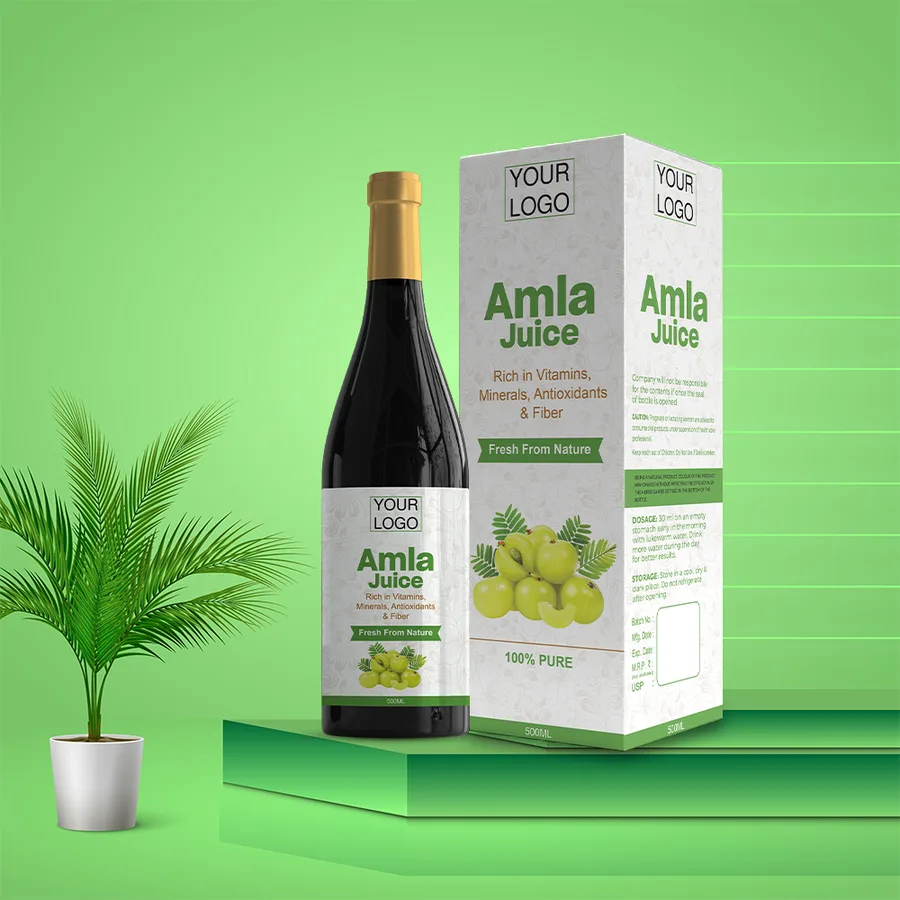
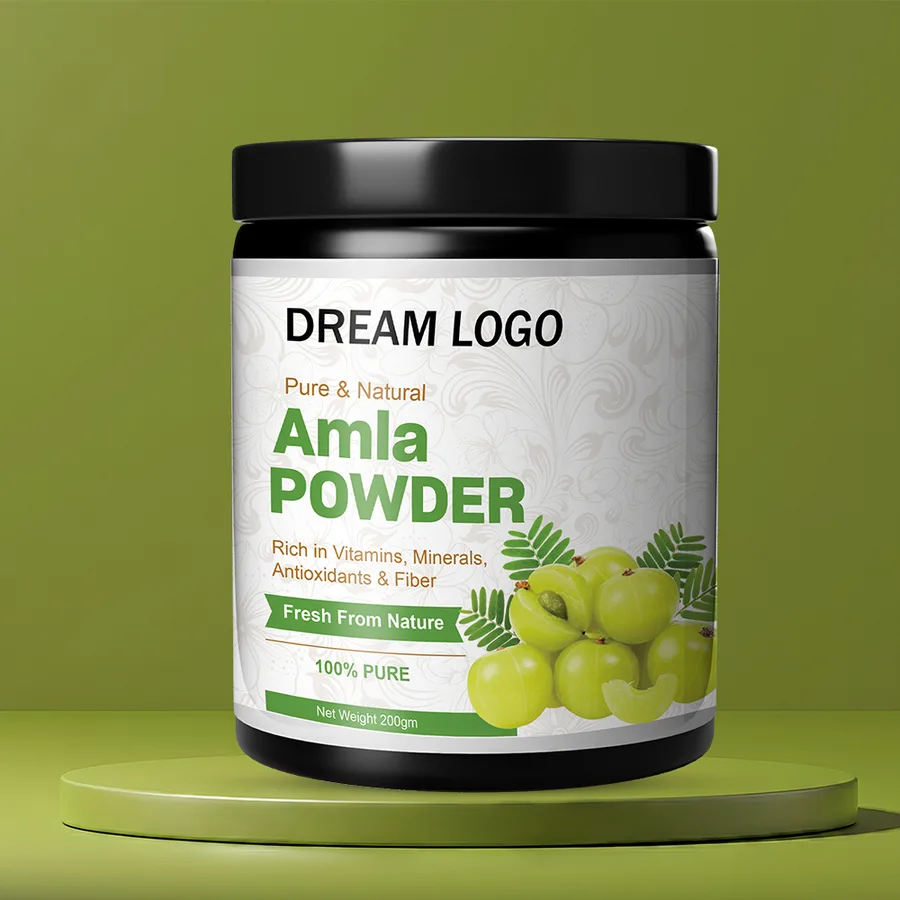
Composition detail: amla juice, amla powder and Renewo 360. Related: सर्दी में सेहत कैसे बनाए रखें, zinc, vitamin C and vitamin D, and licences for Ayurvedic manufacturing.
Get our product list and minimum orders
Leave your email and we will send the formats we make, the minimum order for each and typical lead times. We use it only to reply to you.
Manufacturing in this category?
We make products in this category for other people's brands. Tell us the format and volume and we will send a specification and a per-unit cost.
Request a quotation ↗NutraHerbal manufactures food supplements, Ayurvedic proprietary medicines and cosmetics for business customers. Product information on this site describes composition, format and commercial positioning for brand owners. It is not medical advice, does not claim to diagnose, treat, cure or prevent any disease, and is not a substitute for consulting a qualified practitioner. Final label claims are the brand owner's responsibility and must be approved for the destination market.
How we write and review content: editorial policy.